Woolworths Group 2026 ESG Analysis: Climate Transition, Nature-Related Risks, Human Rights and the Future of Sustainable Food Systems
An in-depth examination of Woolworths Group’s 2026 Impact Report and Nature Report, assessing sustainability governance, environmental performance, responsible sourcing, social impact and the credibility of its long-term commitments.
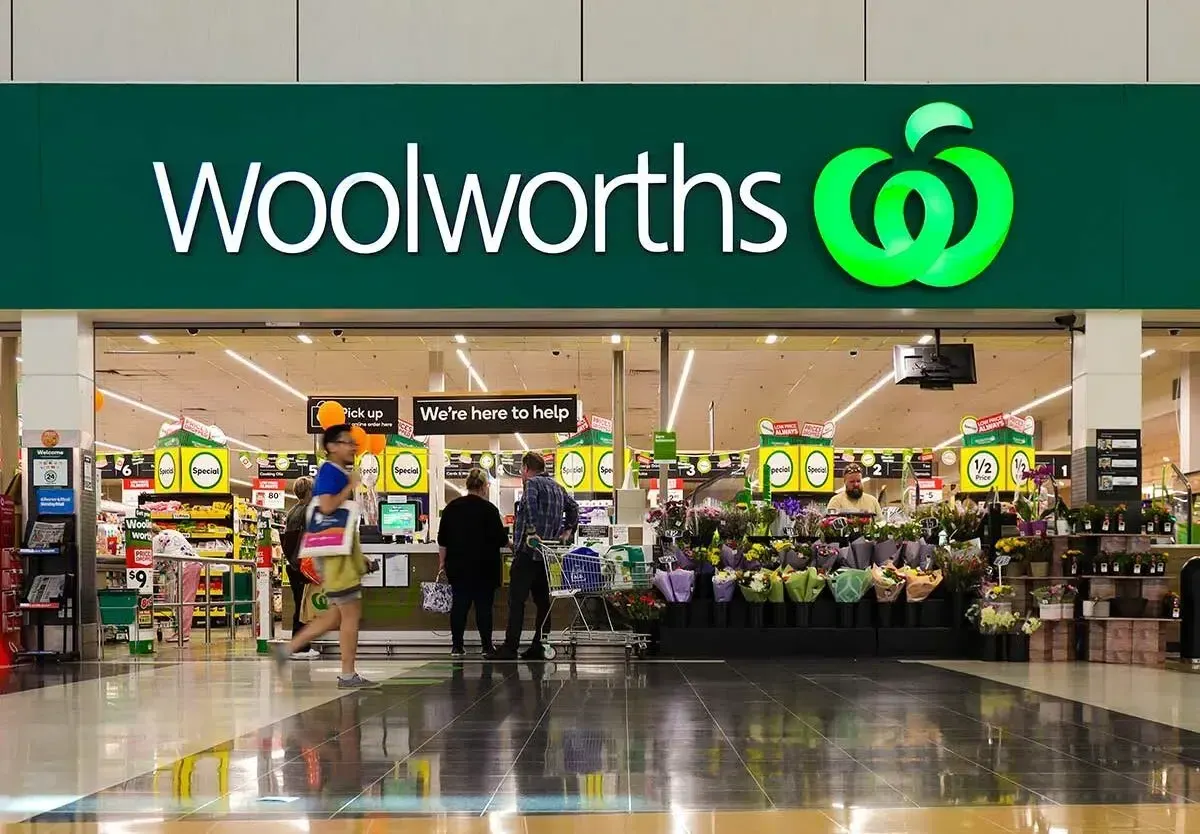
Woolworths Group is one of Australia and New Zealand’s major retail groups, operating an extensive network of supermarkets, distribution facilities and supply-chain activities. According to its 2026 disclosures, the Group operates 1,311 supermarkets and 24 distribution centres, works with more than 14,500 direct suppliers, and serves approximately 26.1 million customer transactions each week.
The Group's sustainability exposure extends far beyond its direct retail operations. Agricultural production, food manufacturing, transportation, packaging, employment practices and consumer nutrition collectively shape its environmental and social footprint. With approximately 209,000 direct team members and A$8.8 billion in wages, Woolworths also has a substantial economic and employment presence.
Its 2026 reporting provides an opportunity to examine how a major food retailer is responding to increasingly interconnected sustainability risks. Climate change, biodiversity degradation, labour conditions and food affordability are not isolated concerns; they are fundamental considerations for supply-chain continuity, operating costs and long-term resilience.
Reporting Background and Regulatory Context
Woolworths Group’s 2026 Impact Report is positioned as an outcomes-focused publication accompanying its broader sustainability reporting framework. Alongside its first standalone Nature Report, the Group identifies additional disclosures covering climate, corporate governance, modern slavery and sustainability performance.
A notable development is the publication of its first standalone climate statement under Australian Accounting Standards Board Standard AASB S2, included within its Annual Report. This reflects Australia's transition towards mandatory climate-related financial disclosures, with an emphasis on governance, strategy, risk management, metrics and targets.
The Nature Report draws upon the Taskforce on Nature-related Financial Disclosures (TNFD), particularly its Locate, Evaluate, Assess and Prepare (LEAP) assessment approach, although Woolworths presents its final stage as prioritising actions and disclosure. These assessments indicate a movement towards structured identification of dependencies, impacts and risks associated with natural ecosystems.
While Australia's sustainability reporting requirements differ from the European Union's Corporate Sustainability Reporting Directive (CSRD) and European Sustainability Reporting Standards (ESRS), both approaches reflect growing expectations for decision-useful information. Woolworths' reporting illustrates how climate, nature and human-rights considerations increasingly require coordinated management across business functions.
Governance Architecture and Accountability
The Woolworths Group Board retains responsibility for establishing sustainability strategy in alignment with business objectives and material sustainability risks. The Board is supported by its Sustainability Committee, which monitors implementation and reviews the effectiveness of the Group's 2030 Sustainability Plan, including climate, nature and animal welfare programs.
Executive accountability rests with the Chief Executive Officer and Managing Director, supported by the Chief Group Public Affairs, Communication and Sustainability Officer and other Group Executive Committee members. A Group Sustainability Platform supports performance monitoring and reporting to the Sustainability Committee.
This governance arrangement establishes identifiable oversight and implementation responsibilities rather than treating sustainability solely as a communications activity. The integration of nature-related assessments into the Group Risk Management Framework is particularly relevant because biodiversity, water availability and agricultural productivity can influence commercial outcomes.
However, the two reports provide limited visibility into executive remuneration linkages, individual management incentives and the frequency of Board-level sustainability deliberations. Investors seeking to evaluate governance effectiveness would therefore need to examine the accompanying Annual Report and Corporate Governance Statement.
Materiality Approach and Risk Prioritisation
Woolworths identifies material sustainability risks through internal assessments, external scientific research, stakeholder consultation and double materiality assessments. Its approach recognises both how environmental changes affect business performance and how operations and sourcing activities can affect people and ecosystems.
The 2025 nature-related assessment applied elements of the TNFD LEAP approach across direct operations and selected highly traded commodities, including beef, dairy, grains, horticulture and farmed seafood. Risks were evaluated across short-term horizons of zero to three years, medium-term horizons of four to ten years, and long-term horizons of 11 to 25 years.
The assessment identifies soil degradation, biodiversity loss, declining pollinator populations and water-related pressures as relevant concerns for agricultural supply chains. The reports also recognise that the most significant nature-related exposures often originate upstream rather than within supermarkets and distribution centres.
This represents a meaningful approach to risk identification, although detailed financial quantification remains limited within the reviewed documents. More extensive disclosures connecting commodity-specific environmental risks with purchasing costs, supply interruptions and financial exposure would strengthen the usefulness of future assessments.
Climate, Supply Chain and Environmental Dimensions
Woolworths reports a 45% reduction in operational greenhouse gas emissions against its FY2023 baseline and states that 100% renewable electricity supply was achieved across its Australian and New Zealand operations from the end of December 2025. Renewable electricity is secured through on-site solar generation, renewable energy contracts and large-scale generation certificates.
The Group has established an 80% absolute Scope 1 and 2 emissions reduction target by FY2030, alongside separate Scope 3 targets for energy and industrial emissions and forest, land and agriculture (FLAG) emissions. These targets call for reductions of 55% and 40%, respectively, by FY2033 from the FY2023 baseline, and are reported as validated by the Science Based Targets initiative.
Transportation electrification is another operational priority. Woolworths reports 178 electric home-delivery trucks, compared with 75 previously, alongside 298 customer electric-vehicle charging plugs. However, the operational emissions reduction and renewable electricity achievement should not be interpreted as equivalent to eliminating residual fossil-fuel-related emissions throughout the value chain.
Nature-related sourcing represents a more complex transition. The Group introduced its No-Deforestation Policy in February 2025, with implementation commencing on 31 December 2025 for priority commodities including beef, soy, palm oil, cocoa, paper, pulp and timber. It acknowledges continuing challenges with traceability and the commercial availability of fully segregated deforestation-free commodities.
Its assessment of Tasmanian salmon sourcing illustrates these challenges. Woolworths acknowledges environmental concerns involving the endangered Maugean skate and supports supplier adoption of Aquaculture Stewardship Council standards, while recognising the need for continuing scientific monitoring and ecosystem management.
Collectively, the disclosures suggest progress in linking climate and nature considerations to purchasing decisions. Nevertheless, outcomes ultimately depend on measurable reductions in emissions and ecological impacts, rather than sourcing policies or certification requirements alone.
Employment and Workforce Development
With approximately 209,000 direct employees, workforce management is a significant dimension of Woolworths' social performance. Its FY2026 reporting highlights employment opportunities, cultural inclusion, workforce participation and the importance of supporting First Nations, Māori and Pasifika employees.
The Group discusses initiatives designed to create culturally safe workplaces and strengthen opportunities for Indigenous employees. Its partnerships with educational organisations, including the Clontarf Foundation, seek to support employment pathways and improve the transition from education into the workplace.
In New Zealand, Woolworths describes initiatives incorporating te ao Māori into workplace practices, leadership engagement and organisational culture. Such programs indicate an effort to address inclusion through operational practices rather than relying exclusively on representation commitments.
However, the reviewed reports do not provide a comprehensive workforce performance dataset covering employee turnover, gender pay differences, workforce engagement and training intensity. These indicators would be necessary to assess whether inclusion initiatives are producing sustained employment outcomes across the Group.
Occupational Health and Safety
Occupational health and safety is particularly relevant to Woolworths because of its large workforce and operational activities spanning supermarkets, warehousing, transportation and distribution. These environments present different risk profiles, including manual handling, vehicle movement, repetitive activities and potential psychosocial hazards.
The 2026 Impact Report gives greater attention to human rights and worker welfare within the supply chain than to quantitative occupational safety performance among direct employees. It describes responsible supplier practices and oversight mechanisms intended to protect workers, but does not provide a complete picture of workplace injuries and occupational safety outcomes.
For a group of this scale, indicators such as lost-time injury frequency rates, total recordable injury frequency rates, serious incidents and contractor safety performance would improve comparability. Disaggregated information for retail, distribution and logistics activities would also help readers understand where material operational safety risks arise.
The limited coverage in these two publications should not be interpreted as evidence of inadequate safety management. Rather, it highlights the importance of consulting Woolworths' broader corporate reporting before drawing conclusions about occupational health and safety performance.
Product and Service Responsibility
Product responsibility is central to Woolworths' sustainability performance because food quality, nutrition, packaging, sourcing practices and customer trust are closely connected to its core business.
The Group reports that 80.4% of Australian and New Zealand supermarket and Metro sales tonnage came from products classified as healthier under its disclosed methodology. It also reports that 78% of its own-brand products met applicable Australian Government Healthy Food Partnership reformulation targets, while 76% met the relevant New Zealand Heart Foundation targets.
Woolworths has introduced digital shopping tools intended to help customers identify healthier alternatives and navigate dietary requirements. Its Healthier Options functionality provides comparisons using Health Star Ratings, while free-fruit initiatives aim to make healthier food choices more accessible to children.
Packaging and responsible sourcing are additional areas of focus. The Group reports more than 700 soft-plastics collection locations and over 20,000 tonnes of recycled plastic incorporated into own-brand packaging. It also reports Marine Stewardship Council certification for all own-brand canned tuna.
These initiatives address different elements of product responsibility, but their outcomes require careful interpretation. Product nutrition classifications, packaging circularity metrics and third-party certifications provide useful indicators, although they do not independently establish the overall health or environmental performance of every product sold.
Philanthropy and Community Investment
Community engagement is a prominent element of Woolworths' 2026 sustainability narrative, particularly through food rescue, hunger relief, Indigenous partnerships and educational initiatives.
The Group reports donating more than 44 million meals to people in need and maintaining food rescue partnerships across all Australian and New Zealand supermarkets. Its long-standing partnership with OzHarvest has supported the delivery of more than 120 million meals over approximately 11 years.
Woolworths also uses its distribution infrastructure to support charitable organisations. During the reporting period, its logistics network transported 2,990 pallets of donated essential goods over more than 414,000 kilometres, helping redirect existing transportation capacity towards food-relief activities.
Beyond donations, Woolworths reports spending more than A$54 million with 51 Indigenous businesses. Its Mini Woolies educational program has expanded to 126 locations and supported more than 9,200 participants, providing practical learning opportunities for young people with disabilities.
These activities demonstrate how community investment can extend beyond conventional charitable contributions into procurement, logistics and access to services. Their longer-term significance will depend on whether reported outputs translate into sustained improvements in food security, economic participation and community wellbeing.
Metrics, Targets and Data Robustness
Woolworths' 2026 disclosures combine quantitative performance indicators, long-term targets and case studies illustrating operational activities. The Group reports environmental achievements including reduced operational emissions, renewable electricity sourcing, electric-vehicle deployment and expanded recycling infrastructure.
Its Human Rights Program provides another set of measurable outputs. During the reporting period, Woolworths reports oversight of 1,087 supplier audits, remediation of 195 critical non-conformances and approximately A$236,000 returned to more than 500 workers.
An additional feature is the estimation of more than A$800 million in net societal value associated with selected sustainability initiatives. The calculation draws upon work by Oxford Economics and translates certain social and environmental outcomes into estimated monetary benefits.
Such valuation approaches can provide a broader understanding of economic externalities. However, assumptions concerning attribution, counterfactual outcomes, valuation methodologies and potential double counting require careful examination before these estimates can be compared across companies or reporting periods.
Assurance, Credibility and Comparability
The credibility of Woolworths' sustainability disclosures is supported by its use of recognised frameworks, external certifications and structured risk assessment methodologies. References to AASB S2, TNFD, SBTi, Marine Stewardship Council and Aquaculture Stewardship Council standards indicate different forms of standardisation and external scrutiny.
Nevertheless, these mechanisms serve different purposes. SBTi validation assesses the alignment of emissions targets with its criteria, while product certification relates to specified sourcing or production standards. Neither automatically provides independent assurance over the complete sustainability report.
The reviewed Impact Report explicitly acknowledges that some information originates from third-party sources that have not been verified by the Group. It also cautions readers about uncertainties associated with forward-looking statements.
No comprehensive independent assurance conclusion covering all information in the two reviewed reports is established by these documents. Readers should therefore distinguish between management-reported performance, externally validated targets, independently certified products and sustainability information subject to formal assurance engagements.
Strategic Implications for the Retail Sector
Woolworths' disclosures illustrate how sustainability management in food retail increasingly extends beyond energy efficiency and waste reduction towards the resilience of entire production systems.
For large retailers, climate change can affect agricultural yields, logistics reliability, product availability and purchasing costs. Biodiversity degradation and water scarcity introduce additional dependencies that conventional operational emissions accounting may not adequately capture.
The Group's commodity-specific nature assessments and engagement with agricultural suppliers provide an example of how sustainability information can inform procurement and supply-chain management. Its human-rights audit and remediation activities similarly demonstrate why retailer responsibility cannot reasonably be assessed only within directly operated facilities.
For the wider sector, the practical challenge is translating multiple environmental and social frameworks into coherent purchasing decisions, supplier requirements and performance monitoring systems. Sustainability performance may increasingly depend on the quality of value-chain relationships and the availability of credible supplier-level data.
ESG Maturity and Future Positioning
Woolworths' 2026 disclosures indicate an increasingly structured sustainability management approach, supported by defined governance responsibilities, quantitative emissions targets, commodity-specific sourcing initiatives and human-rights due diligence.
Its reporting demonstrates particular development in climate-related target setting, renewable electricity procurement and identifying nature-related supply-chain dependencies. The standalone Nature Report is also relevant because it documents environmental trade-offs and challenges that extend beyond the retailer's direct operational control.
Important areas for continued development include greater financial quantification of nature-related risks, clearer disclosure of Scope 3 implementation outcomes, more comprehensive workforce indicators and increased transparency over the effectiveness of remediation and supplier engagement programs.
Woolworths' longer-term ESG positioning will depend less on the expansion of sustainability initiatives themselves than on demonstrating that these initiatives generate durable, independently verifiable outcomes across a complex food system.
Pacifica ESG View
Woolworths Group's 2026 reporting reflects a transition towards integrating sustainability considerations into core retail and supply-chain management. Its climate targets, renewable electricity achievements, TNFD-informed nature assessments and human-rights remediation activities provide evidence of structured action across several material ESG areas.
The principal challenge remains the distinction between management processes and measurable outcomes. Certification, supplier engagement and policy commitments are valuable mechanisms, but they do not necessarily demonstrate the elimination of environmental or social risks.
Future assessments should focus on independently supported performance, supplier-level traceability, financial exposure to nature-related risks and the effectiveness of workforce and human-rights programs. These areas will help determine whether current initiatives translate into sustained business resilience and improved sustainability outcomes.
Implications for the wider market
Woolworths' disclosures illustrate a broader shift in sustainability reporting from corporate operational performance towards value-chain accountability. Food retailers increasingly need to understand the environmental and social conditions under which products are produced, transported and sold.
The emerging convergence of climate disclosure, nature-related risk assessment and human-rights due diligence creates opportunities for more integrated data collection and procurement oversight. However, greater disclosure volume does not automatically produce greater accountability.
For companies across the food and consumer goods sectors, credible ESG performance will increasingly require transparent methodologies, measurable progress against targets and appropriate independent verification. The ability to connect sustainability indicators with financial resilience, product responsibility and supplier practices will be central to meaningful comparison.