TCL Electronics’ 2025 ESG Report: Advancing Green Innovation, Responsible Manufacturing and Sustainable Growth in China
TCL Electronics’ 2025 ESG Report highlights China’s progress in green technology, energy-efficient products, photovoltaic solutions and responsible manufacturing, alongside stronger ESG governance, product lifecycle management and global supply chain sustainability.
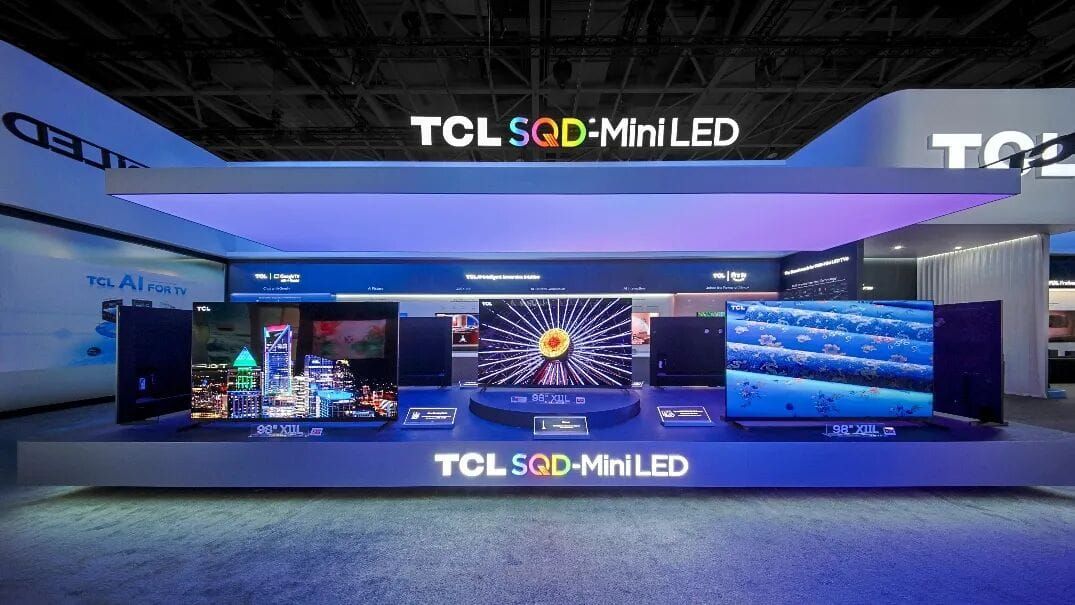
TCL Electronics Holdings Limited (HKEX: 01070), a globally operating Chinese smart device manufacturer, continues to integrate sustainability into its technology-driven growth strategy. Its businesses encompass televisions, smart displays, connected devices, photovoltaic solutions and internet services, positioning the company at the intersection of consumer electronics, digital innovation and the energy transition.
In 2025, TCL televisions achieved a 14.7% global shipment share, ranking second worldwide according to the company's disclosures. Global Mini LED television shipments increased 118% year-on-year, reflecting growing demand for premium display technologies. These developments provide an important commercial backdrop to TCL Electronics' efforts to improve product efficiency, environmental performance and responsible manufacturing.
Reporting Context and Scope
TCL Electronics' 2025 Environmental, Social and Governance Report covers January 1 to December 31, 2025, including its major subsidiaries and operations in China and overseas markets. The reporting boundary encompasses Display, Innovative and Internet Businesses, reflecting the diversity of its product and service portfolio.
Prepared primarily with reference to the Hong Kong Stock Exchange's ESG Reporting Code, the report applies the principles of materiality, quantification, balance and consistency. It also incorporates a double materiality assessment, examining sustainability issues from both financial and impact perspectives.
This approach strengthens the connection between ESG disclosure, business strategy and stakeholder expectations, particularly as international markets increasingly emphasise environmental compliance and product lifecycle sustainability.
Governance and Oversight Mechanisms
TCL Electronics has established a three-tier ESG governance structure comprising the Board of Directors, ESG Committee and ESG Committee Office. Business-unit-level ESG committees support implementation, helping translate sustainability priorities into operational responsibilities.
The Board oversees material ESG risks, climate-related opportunities, sustainability strategies and progress against established targets. In 2025, it reviewed the company's double materiality assessment and ESG performance, approving the report on March 27, 2026.
An important governance development is the integration of ESG-related performance into senior management remuneration assessments. These measures cover environmental protection, occupational safety, business ethics, compliance and risk management, potentially strengthening accountability for sustainability outcomes.
Material Topics and Risk Lens
TCL Electronics identified 21 key ESG issues through its 2025 double materiality assessment, including ten classified as highly material from both financial and impact perspectives. The process considered stakeholder surveys, industry developments, international standards and evolving regulatory expectations.
Material priorities include climate change, green products, electronic waste, supply chain management, product safety, data protection, technological innovation and business ethics.
For a global electronics manufacturer, these issues are closely interconnected. Energy-efficient product design may influence competitiveness, while responsible sourcing, hazardous substance management and end-of-life recycling affect regulatory compliance and customer expectations.
The company also identified climate-related transition risks, including rising energy costs, changing environmental regulations and technological obsolescence. Its emphasis on lifecycle management suggests an increasingly comprehensive approach to evaluating sustainability risks across the value chain.
Metrics, Targets and Performance Signals
TCL Electronics reported Scope 1 emissions of 12,281 tonnes CO₂e and location-based Scope 2 emissions of 103,910 tonnes CO₂e in 2025, compared with 14,816 and 78,319 tonnes respectively in 2024. Combined operational emissions therefore increased to 116,191 tonnes CO₂e, partly requiring consideration of the expanded reporting boundary.
Scope 3 emissions reached approximately 35.84 million tonnes CO₂e, compared with 31.97 million tonnes in 2024. This substantial value-chain footprint reinforces the importance of product energy efficiency, supplier decarbonisation and lifecycle emissions management.
Green innovation remains a significant strategic priority. TCL Electronics reported 8,316 cumulative products with energy-saving and green product certifications, while its photovoltaic business contributed approximately 14 billion kWh of cumulative green electricity generation and an estimated 10 million tonnes of avoided societal carbon emissions.
The company invested HK$2.53 billion in research and development, an 8.5% year-on-year increase, and reported 13,376 cumulative authorised patents. These capabilities support continued improvements in energy-efficient displays, green materials and product innovation.
Beyond environmental performance, women represented 40.4% of employees, while philanthropic contributions reached HK$19.666 million across 13 public welfare projects.
Credibility, Assurance and Transparency
TCL Electronics' 2025 report includes an independent limited assurance statement issued by the Hong Kong Quality Assurance Agency (HKQAA), referencing ISAE 3000 (Revised). The engagement assessed the sustainability disclosures against the HKEX ESG Reporting Code, subject to the stated assurance boundaries and limitations.
The company also reported third-party carbon verification at seven key factories, supporting its efforts to strengthen greenhouse gas accounting and internal data management.
External ESG assessments provide additional perspectives. TCL Electronics maintained an A rating in the Hang Seng ESG Rating for eight consecutive years, received a CDP Climate Change score of B and achieved a Wind ESG rating of AA, while TCL Communication received an EcoVadis Gold Medal.
These recognitions complement the company's reporting practices but should not replace independent evaluation of environmental outcomes. Greater transparency regarding Scope 3 methodologies, emissions trends and measurable reductions would further strengthen stakeholder confidence.
Strategic Positioning and ESG Maturity
TCL Electronics' sustainability strategy increasingly connects technological innovation, product lifecycle management and low-carbon business development. Its Green Product Management system incorporates lifecycle assessment, material selection, energy efficiency and end-of-life considerations into product development.
The company's photovoltaic business also offers opportunities beyond traditional consumer electronics, supporting renewable electricity deployment across residential and commercial applications.
Meanwhile, its supplier management framework and international compliance initiatives reflect growing awareness of environmental and social requirements across global markets.
Collectively, these developments indicate an increasingly structured ESG management approach. However, sustained progress will depend on translating green innovation and governance commitments into measurable reductions in operational and value-chain environmental impacts.
Pacifica ESG View
TCL Electronics' 2025 ESG disclosures demonstrate how sustainability is becoming increasingly connected to product innovation, global competitiveness and responsible manufacturing.
Its investments in research and development, green product design, photovoltaic solutions and ESG governance provide tangible evidence of strategic integration. Independent assurance and established ESG ratings also support reporting credibility.
However, rising Scope 2 and Scope 3 emissions highlight the importance of accelerating measurable decarbonisation across manufacturing operations and product lifecycles.
For investors and stakeholders, TCL Electronics' long-term sustainability performance will depend on balancing commercial expansion with demonstrable environmental improvements.
Forward-looking Signals
TCL Electronics' future ESG trajectory will likely be influenced by growing demand for energy-efficient displays, renewable energy solutions and environmentally responsible consumer electronics.
Key indicators include improvements in Scope 3 emissions management, renewable electricity adoption, product lifecycle assessments and supplier environmental performance.
Evolving international requirements concerning eco-design, hazardous substances, product durability and recycling may create opportunities for manufacturers with established green product capabilities.
Continued integration of sustainability data into product development, procurement and management decision-making could further strengthen TCL Electronics' resilience and competitiveness in global markets.