CelcomDigi’s 2025 Sustainability Report: Strengthening Digital Inclusion, Climate Action and Responsible Connectivity in Malaysia
CelcomDigi’s 2025 Sustainability Report highlights Malaysia’s digital transformation through responsible connectivity, digital inclusion, cybersecurity, climate action and ESG governance, alongside progress in emissions reduction and sustainable telecommunications infrastructure.
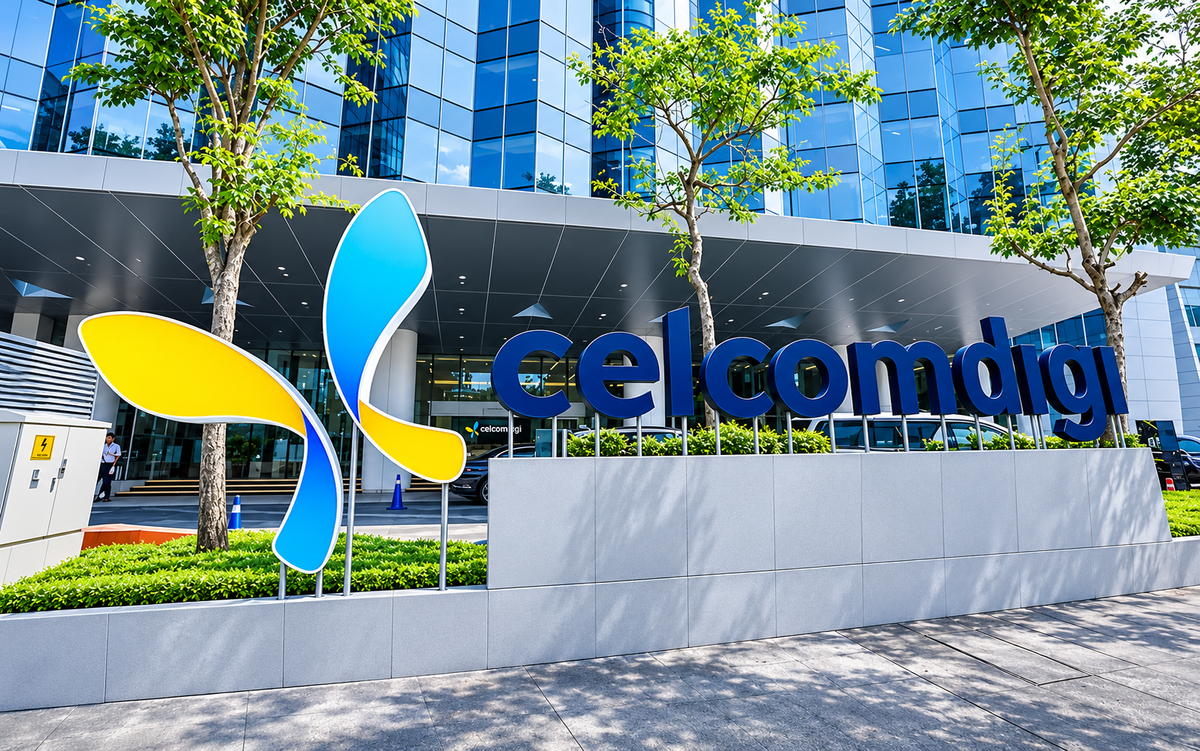
CelcomDigi Berhad, Malaysia’s largest mobile telecommunications operator, is strengthening its position as a digital connectivity provider while integrating sustainability into its business transformation. Serving more than 20 million customers nationwide, the company plays an important role in enabling digital participation, supporting enterprise innovation and expanding access to reliable telecommunications services.
Following its merger in 2022, CelcomDigi has undertaken a three-year integration and network modernisation programme aimed at improving service quality, operational efficiency and technological capabilities. Its 2025 Integrated Annual Report demonstrates how the company is connecting its commercial ambition to become Malaysia’s leading telco-tech company with responsible business practices and long-term stakeholder value creation.
Reporting Context and Scope
CelcomDigi’s Integrated Annual Report covers the financial year from 1 January to 31 December 2025, incorporating financial performance, sustainability disclosures, corporate governance and strategic development. Sustainability and other non-financial performance data are limited to wholly owned subsidiaries, an important boundary when interpreting group-wide ESG performance.
The report references the GRI Standards, IFRS Sustainability Disclosure Standards, the National Sustainability Reporting Framework (NSRF), and Bursa Malaysia’s reporting requirements. It also incorporates a double materiality approach, considering both sustainability-related financial risks and the company's impacts on society and the environment.
CelcomDigi is progressing toward fuller alignment with IFRS Sustainability Disclosure Standards by FY2027, reflecting increasing expectations for comparable and decision-useful sustainability information.
Governance and Oversight Mechanisms
Sustainability governance is embedded within CelcomDigi’s corporate oversight structure, with the Board responsible for strategic direction, risk management and reporting integrity. The Board Governance and Risk Management Committee supports oversight of ESG-related risks, regulatory compliance and internal controls.
During 2025, the Board reviewed sustainability programmes, approved the ESG Materiality Matrix and authorised the submission of emissions reduction targets to the Science Based Targets initiative (SBTi) for validation. This demonstrates a connection between sustainability commitments and formal governance decision-making.
The company also reported 37% female representation in senior leadership, progressing toward its target of 40% by 2028. Its governance priorities increasingly encompass cybersecurity, responsible AI, data privacy and ethical conduct, reflecting the changing responsibilities of telecommunications operators.
Material Topics and Risk Lens
CelcomDigi’s materiality assessment identifies sustainability priorities directly connected to its role as a national digital infrastructure provider. These include network reliability, digital transformation, cybersecurity, customer experience, digital rights, affordability, workforce wellbeing, responsible supply chains and climate change.
Digital trust is particularly important as telecommunications networks support increasingly sensitive personal, commercial and financial activities. CelcomDigi has strengthened customer protection through fraud prevention measures, suspicious SMS filtering, cybersecurity solutions and public awareness campaigns.
The company’s digital safety initiatives reached more than 13.8 million Malaysians in 2025, highlighting the scale of its efforts to address online risks. Meanwhile, its human rights due diligence and supplier requirements support the identification and management of labour, ethical and operational risks across its value chain.
Metrics, Targets and Performance Signals
CelcomDigi reported Scope 1 emissions of 51,043 tonnes CO₂e and Scope 2 emissions of 488,555 tonnes CO₂e in 2025, representing combined operational emissions of approximately 539,598 tonnes CO₂e.
Combined Scope 1 and Scope 2 emissions declined by approximately 4% compared with 2024, supported by network consolidation, legacy equipment decommissioning and AI-enabled energy optimisation. Total energy consumption reached approximately 3.32 million gigajoules, demonstrating the substantial electricity requirements associated with nationwide telecommunications infrastructure.
The company has committed to achieving net-zero emissions by 2050 and submitted its science-based targets for SBTi validation, which remained pending at the time of reporting.
Its disclosed Scope 3 emissions of 6,912 tonnes CO₂e cover only business travel and employee commuting. Although CelcomDigi reports completing a broader Scope 3 baseline, the published figure should not be interpreted as a complete value-chain inventory.
Beyond environmental performance, CelcomDigi maintained 98% 4G coverage of populated areas and reported an employee engagement score of 86%. Its digital inclusion programmes, including Future Skills for All and the CD initiative, support digital literacy and future workforce capabilities.
Credibility, Assurance and Transparency
CelcomDigi has strengthened sustainability reporting credibility through independent limited assurance conducted by PricewaterhouseCoopers PLT.
The engagement covered selected indicators, including Scope 1 emissions, Scope 2 emissions, non-renewable energy consumption and the lost-time injury frequency rate. Assurance was conducted under ISAE 3000 (Revised) and ISAE 3410 for greenhouse gas information, rather than providing assurance over the entire sustainability report.
The company also maintained a four-star FTSE4Good Bursa Malaysia rating and a medium-risk classification from Sustainalytics, reflecting external assessments of its ESG management and risk exposure.
While these developments support disclosure credibility, broader Scope 3 reporting, improved emissions data completeness and expanded assurance coverage would provide additional confidence to investors and other stakeholders.
Strategic Positioning and ESG Maturity
CelcomDigi’s sustainability strategy increasingly reflects the convergence of telecommunications, digital services and responsible technology development. Its investments in network modernisation, AI-enabled customer solutions and enterprise cybersecurity demonstrate how sustainability-related priorities can support business competitiveness.
The company’s AI Experience Centre, supported by 56 technology partners, provides a platform for developing applications across industries. Together with digital inclusion initiatives and nationwide connectivity improvements, these investments may strengthen CelcomDigi’s contribution to Malaysia’s digital economy.
From an ESG maturity perspective, the company's progress in governance, climate disclosure and digital trust indicates an increasingly structured approach. Future performance will depend on translating its sustainability commitments into measurable environmental and social outcomes.
Pacifica ESG View
CelcomDigi’s 2025 sustainability disclosures present a telecommunications company increasingly integrating responsible connectivity, digital inclusion and environmental management into its transformation strategy.
Progress in operational emissions reduction, cybersecurity, network modernisation and sustainability governance provides evidence of a strengthening ESG management framework.
However, electricity consumption and incomplete public Scope 3 coverage remain important considerations. Continued improvements in renewable electricity procurement, value-chain reporting and independently assured sustainability information will be essential to strengthening CelcomDigi’s long-term environmental credibility.
Forward-looking Signals
CelcomDigi’s next sustainability phase will likely be influenced by expanding 5G adoption, AI-enabled network optimisation, renewable electricity procurement and evolving digital governance expectations.
Progress toward SBTi target validation, broader Scope 3 disclosure and FY2027 reporting alignment will provide important indicators of its climate and reporting maturity.
Meanwhile, growing demand for secure enterprise connectivity, responsible AI and digital skills development could create opportunities for the company to strengthen its market position while contributing to Malaysia’s digital transformation.
Its ability to combine commercial innovation with measurable sustainability outcomes will remain central to its long-term ESG trajectory.