Westports Sustainability Report 2025: Decarbonisation, Climate Resilience and Governance Take Centre Stage
Malaysia's Westports 2025 Sustainability Report highlights its Net Zero 2050 pathway through electrification, renewable energy, climate risk integration and stronger ESG governance, signalling a strategic shift towards resilient, lower-carbon port operations.
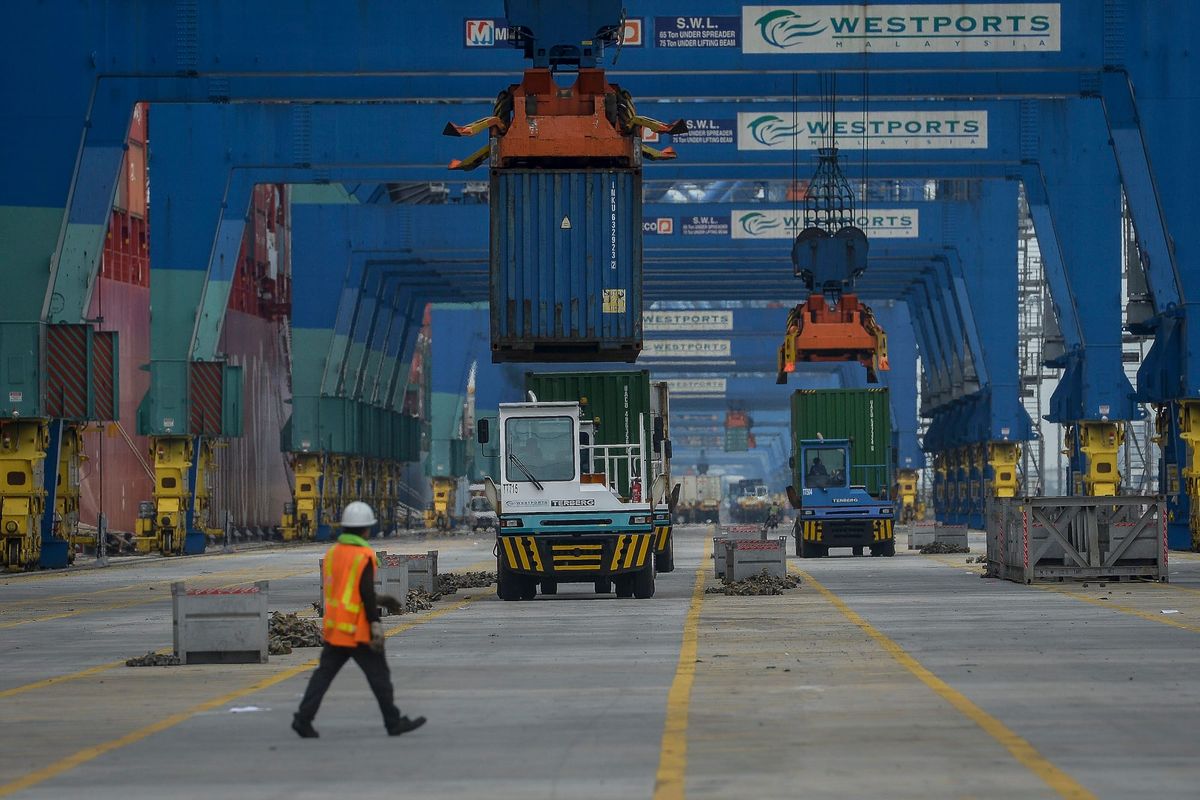
Westports Holdings Berhad has released its 2025 Sustainability Report, covering the period from 1 January to 31 December 2025. The report reflects a notable evolution in the company's sustainability reporting by referencing multiple internationally recognised frameworks, including the GRI Standards, IFRS Sustainability Disclosure Standards (S1 and S2), SASB, TCFD, the Bursa Malaysia Listing Requirements, and the UN Sustainable Development Goals. The report also incorporates a double materiality assessment and selected disclosures are independently verified, signalling an increasing focus on transparency and reporting credibility.
For a major regional port operator, sustainability is closely linked to long-term competitiveness. Westports operates energy-intensive infrastructure that is exposed to climate transition risks, physical climate impacts and evolving customer expectations around supply chain decarbonisation. Against this backdrop, the report provides useful insight into how the company is positioning itself for a lower-carbon logistics future while maintaining operational resilience.
Key Sustainability Themes and Disclosures
Environmental performance remains the strongest strategic theme throughout the report. Westports continues to pursue its Net Zero 2050 commitment through equipment electrification, renewable electricity procurement and digital optimisation of terminal operations. During FY2025, the company subscribed to Malaysia's Green Electricity Tariff and began receiving Malaysian Renewable Energy Certificates (mREC), a move expected to reduce Scope 2 emissions intensity close to zero from 2026. The report also describes refinements to Scope 3 greenhouse gas accounting and enhanced monitoring of non-GHG air pollutants, suggesting increasing maturity in emissions management rather than focusing solely on operational emissions.
The report further demonstrates that decarbonisation is being supported by capital investment. Westports states that more than RM19 million was invested during 2025 in low-carbon technologies and digital systems, while greenhouse gas intensity has declined by approximately 9% since 2022. Updated emissions intensity targets extending to 2035 indicate that climate planning is becoming increasingly integrated with long-term infrastructure expansion rather than treated as a standalone environmental initiative.
Nature and resource management also receive greater attention. Alongside pollution prevention and water management programmes, Westports continued its mangrove restoration commitments, including replanting activities and the reuse of dredged materials for future land reclamation. Although the report does not formally adopt the TNFD framework, biodiversity considerations are increasingly linked to port expansion decisions and climate resilience, suggesting an emerging nature-related governance approach.
On the social dimension, the report presents a balanced picture of workforce development and operational safety. Westports maintains significant investment in employee training, diversity and human rights while reporting 45% female Board representation, exceeding its stated target. Occupational safety remains a core priority given the operational nature of port activities, with safety performance embedded into leadership accountability alongside continuous investment in safety systems and emergency preparedness. The report also highlights community investment across Pulau Indah through healthcare, local employment, education and infrastructure initiatives, reinforcing the company's social licence to operate.
Governance and Strategic Signals
Governance appears to be one of the report's most mature areas. Sustainability oversight is clearly structured through the Board Sustainability Committee, Management Sustainability Committee and Enterprise Risk Management framework. Sustainability risks are reviewed alongside traditional business risks, with climate change, resource scarcity, regulatory developments and social impacts incorporated into strategic planning and investment decisions. Executive remuneration is also linked to sustainability performance, strengthening accountability across management.
Another notable development is the company's increasing alignment with international sustainability reporting expectations. The report applies double materiality, benchmarks material topics against external ESG rating methodologies, and explicitly references IFRS S1 and S2. For investors and ESG rating agencies, these developments may indicate a deliberate effort to improve disclosure quality while preparing for increasingly harmonised global sustainability reporting standards.
What This Report Suggests About Future Direction
Westports' disclosures suggest that future investment will likely continue to focus on electrification, renewable energy integration, digitalisation and climate adaptation. The company's updated transition pathway indicates that decarbonisation is becoming increasingly embedded within long-term capital planning, particularly as the Westports 2 expansion progresses. This positioning may strengthen resilience against future carbon regulation and customer expectations for lower-emission logistics services.
The report also indicates that biodiversity management and supply chain sustainability could become more prominent themes over the coming years. Vendor sustainability expectations extending towards 2030 and 2050, together with enhanced Scope 3 methodologies, suggest that Westports is gradually expanding ESG management beyond its direct operations. This direction of travel may improve readiness for future stakeholder expectations relating to value chain emissions, responsible procurement and sustainable infrastructure development.
Pacifica ESG View
Westports' 2025 Sustainability Report reflects a company moving beyond compliance towards more integrated sustainability management. The combination of stronger climate governance, improved emissions measurement, enhanced risk integration and broader adoption of international reporting frameworks suggests increasing ESG maturity. Going forward, stakeholders should monitor progress on equipment electrification, delivery of interim decarbonisation targets, Scope 3 emissions management and how sustainability considerations continue to shape the Westports 2 expansion and long-term capital investment strategy.