Asia ESG Spotlight: Sinoma International’s 2025 Sustainability Report Shows How Green Engineering Is Shaping the Future
Sinoma International’s 2025 Sustainability Report reveals how Asia’s engineering leader is advancing ESG integration through low-carbon innovation, green technologies and stronger sustainability governance, supporting industrial decarbonisation and responsible growth.
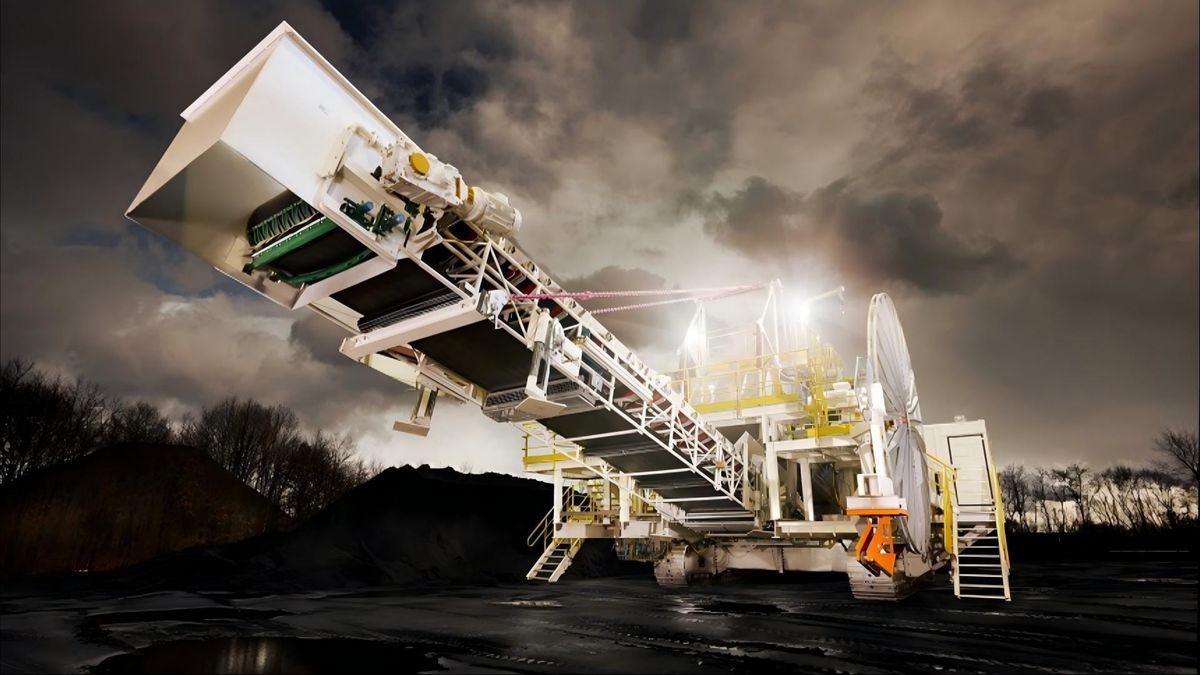
Sinoma International Engineering Co., Ltd. has released its 2025 Sustainability Report, covering the period from 1 January to 31 December 2025. The report aligns with multiple leading reporting frameworks, including the Global Reporting Initiative (GRI) Standards, the UN Sustainable Development Goals (SDGs), the Shanghai Stock Exchange Sustainability Reporting Guidelines, the SASAC ESG indicator system, CASS-ESG 6.0, and the recommendations of the Task Force on Climate-related Financial Disclosures (TCFD).
The report is notable because it reflects the company's first sustainability disclosure following the completion of China's 14th Five-Year Plan and demonstrates a broader evolution from project-based environmental initiatives toward enterprise-wide ESG governance. For a global engineering company serving the cement, mining, and green energy sectors, the report provides useful insight into how sustainability is becoming integrated into business strategy, international expansion, and operational decision-making rather than remaining a standalone corporate responsibility exercise.
Key Sustainability Themes and Disclosures
Environmental performance is one of the strongest themes throughout the report. Sinoma International continues positioning itself as an enabler of industrial decarbonisation through engineering innovation, low-carbon technologies, alternative fuels, carbon capture, green mines, and intelligent manufacturing. During 2025, green R&D represented 3.66% of total R&D investment, while the company expanded its portfolio of low-carbon engineering solutions and secured major international projects supporting emissions reduction across Europe and the Middle East. Green-oriented projects represented 92% of newly signed contracts in Europe, suggesting that customer demand for decarbonisation services is becoming an increasingly important commercial driver.
The report also highlights several technology-led climate initiatives that extend beyond the company's own operations. These include the world's largest oxy-fuel combustion carbon capture demonstration project for the cement industry, alternative fuel platforms capable of processing more than two million tonnes annually, expansion of renewable energy projects exceeding 5.5 GW of contracted capacity, and continued development of intelligent "zero-employee" manufacturing facilities. Rather than focusing solely on operational emissions, the report suggests that Sinoma increasingly views climate strategy as a source of customer value creation and long-term competitive differentiation.
Although the report discusses climate action extensively, quantitative Scope 1, Scope 2 and Scope 3 greenhouse gas inventories are less prominent than technology deployment and project outcomes. Similarly, biodiversity, water stewardship and circular economy receive meaningful attention through green mine development, phosphogypsum recycling technology and resource efficiency initiatives, but future disclosures may benefit from more comprehensive performance metrics and time-series data that enable stakeholders to evaluate operational progress more consistently.
On the social dimension, the report places considerable emphasis on workforce development, occupational safety, localisation and talent incentives. The company introduced performance incentives linked to technology commercialisation, expanded leadership development programmes and continued investing in employee capability building across digital intelligence and green energy businesses. Overseas localisation also remained a priority, with more than 22,000 local workers engaged globally and overseas local employment exceeding 63% of the workforce, demonstrating an approach that combines international expansion with local economic participation.
Supply chain responsibility, customer service, stakeholder engagement and community investment also feature prominently. The company identifies climate change, product quality, data security, human capital and responsible supply chain management as material ESG topics through its inaugural double materiality assessment. The introduction of this assessment represents an important step towards aligning disclosures with evolving international sustainability reporting expectations and indicates increasing maturity in identifying financially material and impact-related ESG risks.
Governance and Strategic Signals
Governance represents one of the report's strongest areas. Sinoma International has established a Board-level ESG governance structure in which the Strategy, Investment and ESG Committee oversees sustainability strategy, climate-related risks, biodiversity, supplier ESG management, occupational safety, business ethics and other material ESG issues. ESG responsibilities are distributed throughout management functions, while annual business objectives incorporate ESG indicators across environmental management, compliance, employee development, data privacy and ESG ratings. Notably, energy conservation and ecological protection account for 10% of overall business performance assessment, directly linking ESG outcomes with management evaluation and remuneration.
The report also demonstrates continued strengthening of compliance and internal controls. During 2025, the company completed full internal control coverage across subsidiaries, achieved complete rectification of identified deficiencies, maintained fourteen consecutive years of unqualified internal control audit opinions, and reported no regulatory violations or administrative penalties during the reporting period. Combined with ongoing anti-corruption training, compliance certification and structured risk management, these disclosures suggest governance is increasingly treated as a strategic capability supporting international operations rather than simply a regulatory obligation.
What This Report Suggests About Future Direction
Several strategic signals emerge from the report. First, Sinoma International appears to be positioning sustainability as a commercial growth platform by embedding low-carbon engineering, digital intelligence and green energy into its core business model. This direction may strengthen competitiveness as customers seek technologies supporting industrial decarbonisation and resource efficiency.
Second, the introduction of double materiality, stronger Board oversight and ESG-linked performance management suggests the company is preparing for increasingly rigorous sustainability disclosure requirements from regulators, investors and capital markets. Continued alignment with international reporting frameworks may also support broader recognition from ESG rating agencies and global institutional investors.
Finally, future reporting could potentially evolve toward greater transparency around quantitative environmental performance, particularly operational emissions, renewable energy use, water intensity, biodiversity outcomes and long-term science-based transition metrics. Expanding these disclosures would provide stakeholders with a clearer basis for assessing progress alongside the company's extensive portfolio of technology innovations.
Pacifica ESG View
Sinoma International's 2025 Sustainability Report suggests a company moving beyond conventional ESG reporting toward deeper integration of sustainability into governance, technology development and international business strategy. Strong Board oversight, ESG-linked management accountability and leadership in low-carbon industrial technologies stand out as key strengths. Going forward, stakeholders should monitor whether future reports provide increasingly robust operational performance metrics alongside the company's expanding portfolio of climate and green engineering solutions.