SK Inc. Signals a Portfolio-Level Shift Toward Net Zero and Social Value Integration in Its 2025 Sustainability Report
SK Inc.’s 2025 Sustainability Report highlights its Double Bottom Line strategy, integrating financial performance with measurable social value, alongside strengthened climate targets, portfolio-level ESG integration, and enhanced supplier and human rights management.

SK Inc. has published its Sustainability Report 2025, presenting a comprehensive view of its ESG strategy, performance, and governance across its role as the holding company of the SK Group.
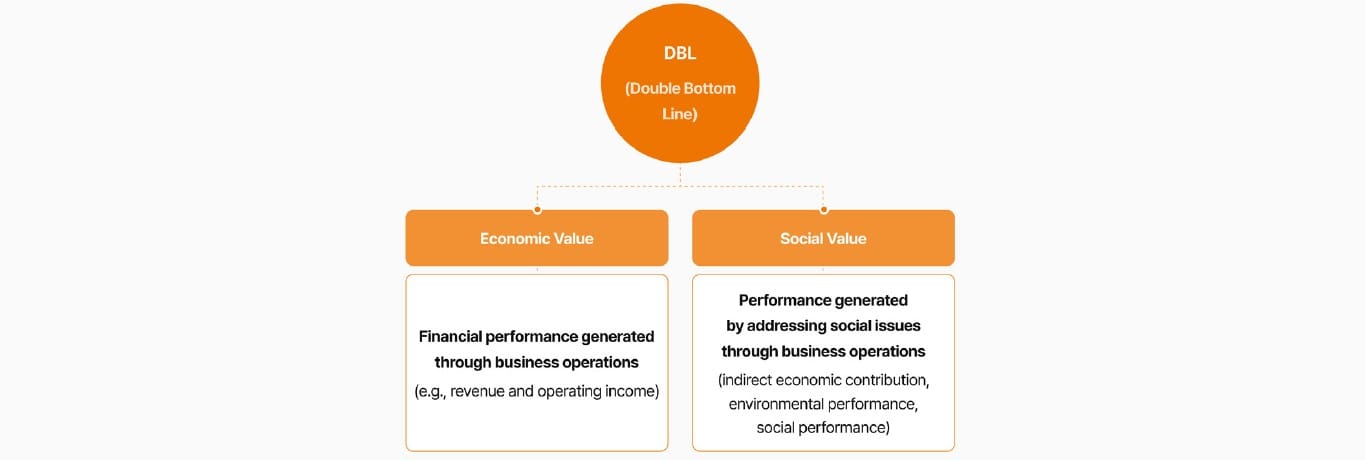
The report is positioned around SK’s long-standing “Double Bottom Line (DBL)” philosophy, which integrates financial performance with measurable social value creation. This framing reflects a deliberate shift from traditional shareholder-centric models toward a broader stakeholder-oriented approach.
For stakeholders, the report is particularly relevant as it demonstrates how a diversified investment holding company is embedding ESG across portfolio strategy, risk management, and emerging growth sectors such as AI, energy transition, and digital infrastructure.
Key sustainability themes and disclosures
Climate change is identified as a top material issue, with SK Inc. outlining a Net Zero roadmap targeting Scope 1 and 2 emissions by 2040 and a 90% reduction in Scope 3 emissions by 2050.
The report highlights that approximately 98% of operational emissions are linked to electricity consumption, particularly from data centers, reinforcing the importance of energy efficiency and renewable energy transition.
A defining feature of the report is its strong emphasis on portfolio-level climate risk and opportunity management. SK Inc. applies scenario analysis aligned with IEA and NGFS frameworks, assessing both transition and physical risks across business sites and investment holdings.
Beyond risk, the company positions climate transition as a growth driver. It identifies opportunities in EV materials, hydrogen, carbon capture (CCUS), sustainable food, and digital climate solutions, supported by targeted investments and technology development initiatives.
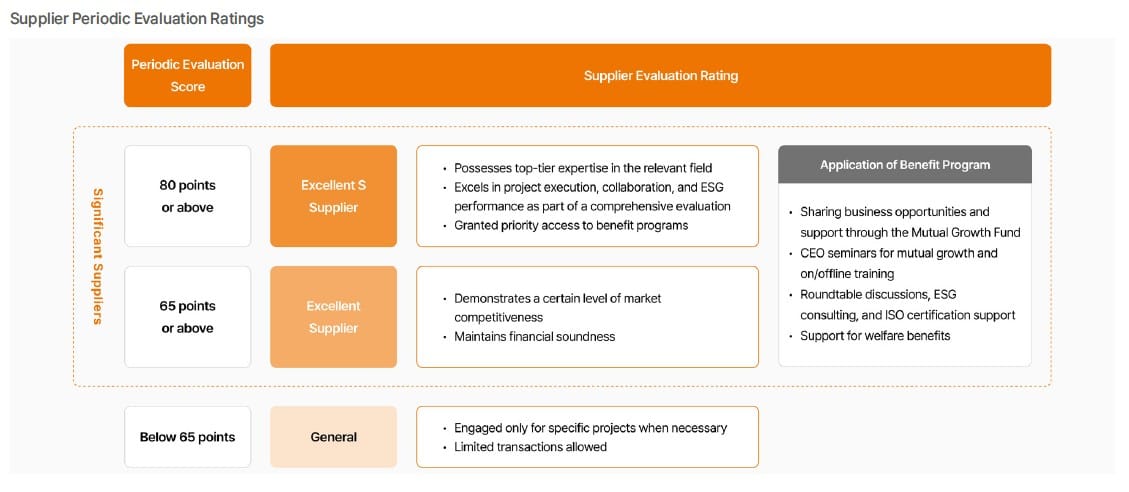
On the social side, SK Inc. adopts a structured approach to human rights due diligence, covering employees, suppliers, and communities, with annual impact assessments and grievance mechanisms. The company reports over 1,400 suppliers assessed for human rights risks, with continuous improvement programs in place.
A distinctive element is SK’s quantification of “social value”, including metrics related to environmental impact, labor, and community contributions, reflecting its DBL philosophy and providing a more monetized view of ESG outcomes.
Governance and strategic signals
Governance disclosures indicate a high degree of ESG integration at board level. The Strategy and ESG Committee under the Board of Directors oversees sustainability strategy, climate-related risks, and long-term business direction.
Notably, ESG performance is embedded into executive KPIs and compensation structures, including climate targets, ESG ratings, and stakeholder-related metrics.
The company also operates a company-wide risk management system aligned with ISO 31000, integrating environmental, social, governance, and financial risks into a unified framework.
Another key signal is the integration of ESG into investment decision-making, including the use of internal carbon pricing to assess project feasibility and portfolio exposure. This suggests a move toward financially material ESG decision tools rather than purely disclosure-based approaches.
Additionally, SK Inc. demonstrates structured double materiality assessment aligned with GRI and CSRD principles, indicating readiness for evolving global disclosure expectations.
What this report suggests about future direction
The 2025 report suggests that SK Inc. is positioning itself as a portfolio-level sustainability integrator, leveraging its role as a holding company to influence both operational businesses and long-term investments.
Its focus on clean technology investments—particularly in EV infrastructure, hydrogen, and carbon management—indicates a strategic alignment with global energy transition value chains.
At the same time, the integration of ESG into risk, capital allocation, and performance management frameworks suggests a continued shift toward fully embedded ESG governance, where sustainability considerations directly influence financial outcomes.
The emphasis on digital capabilities—such as AI-driven ESG solutions and carbon management platforms—also points to a potential positioning as a “green digital partner” supporting broader industry decarbonisation.
Overall, the direction of travel reflects a transition from ESG as compliance to ESG as a core driver of value creation and competitive positioning.
Pacifica ESG View
SK Inc.’s 2025 Sustainability Report demonstrates a mature ESG model combining portfolio strategy, quantified social value, and climate-aligned investments. The integration of internal carbon pricing and DBL metrics strengthens credibility. The next key signal will be execution—particularly how effectively these frameworks translate into measurable emissions reduction and portfolio transformation outcomes.