ESG in Action: Evaluating Governance, Climate Transition and Sustainable Manufacturing Practices at JOSEM Environment
A comprehensive review of JOSEM Environment's ESG performance, highlighting governance, climate management, product responsibility, employee practices, and the strategic implications for industrial manufacturers.
Jiangsu Josem Environmental Equipment Manufacturing Co., Ltd. (JOSEM Environment) published its first Environmental, Social and Governance (ESG) Report for 2024, positioning the disclosure as a structured communication channel for stakeholders on its sustainability strategy, management practices, and performance. The report references the Hong Kong Stock Exchange ESG Reporting Code, GRI Standards, and the United Nations Sustainable Development Goals (UN SDGs), indicating an intention to align with internationally recognised sustainability disclosure frameworks.
The report covers JOSEM Environment and several subsidiaries, including Sichuan Jiasheng Environmental Equipment Manufacturing Co., Ltd., Zhejiang Jiefeng Environmental Technology Co., Ltd., and Hangzhou Jiefeng Dehumidification and Refrigeration Technology Co., Ltd. The reporting period covers 1 January to 31 December 2024, with selected key performance indicators including comparative information from 2023 to enhance continuity.

From a market perspective, the report reflects the increasing expectation that industrial equipment manufacturers move beyond traditional environmental compliance disclosure towards broader sustainability management. As global investors, customers, and regulators increasingly evaluate supply chain resilience, climate exposure, and responsible manufacturing practices, industrial technology companies are under growing pressure to demonstrate how ESG considerations are embedded into business strategy.
Governance architecture and accountability
JOSEM Environment presents ESG governance as an extension of its corporate management structure rather than a standalone reporting activity. The company describes a three-tier governance framework consisting of the Board of Directors, ESG Taskforce, and Environmental, Social, and Governance modules, with responsibilities distributed across strategic oversight, coordination, and operational implementation.
The Board retains ultimate oversight responsibility for ESG matters, while the ESG Taskforce coordinates implementation across environmental, social, and governance areas. The company has also established a review mechanism involving module self-review, Taskforce review, and Board deliberation, covering areas such as carbon reduction, supply chain compliance, and employee management.
This governance model reflects a broader trend among manufacturing companies seeking to integrate ESG into enterprise risk management. However, future maturity will depend on how effectively ESG indicators influence operational decisions, capital allocation, executive incentives, and long-term strategic planning.
Materiality approach and risk prioritisation
A notable feature of JOSEM Environment’s first ESG report is its adoption of a double materiality assessment approach. The company states that it evaluates both the impact of ESG issues on stakeholders and the potential financial implications for the business, reflecting the direction increasingly adopted under frameworks such as GRI, ESRS, and emerging global sustainability disclosure standards.
The company identified 27 ESG topics through stakeholder engagement, industry analysis, and internal assessment. These topics were evaluated through both impact materiality and financial materiality lenses, with the company identifying topics that were material from both perspectives.
The approach demonstrates an awareness that ESG risks are not limited to compliance issues but may influence operational continuity, customer relationships, cost structures, and market competitiveness. Going forward, investors will increasingly expect companies to connect material topics with quantified financial impacts, scenario analysis, and enterprise risk management processes.
Climate, supply chain, and social dimensions
Climate change is positioned as a strategic topic within JOSEM Environment’s sustainability framework. The company has established a carbon verification team and developed a preliminary carbon management system, while also conducting greenhouse gas inventories and carbon footprint verification for selected products.
The company’s climate strategy focuses primarily on operational efficiency, low-carbon product development, and energy management. It reports implementing ISO 50001 energy management practices and deploying energy-saving equipment and resource efficiency measures across facilities.
The supply chain dimension is increasingly important for industrial manufacturers because environmental and social risks often extend beyond direct operations. JOSEM Environment reports embedding ESG requirements into supplier management, including supplier assessment, admission criteria, performance evaluation, and corrective actions for suppliers that do not meet requirements.
Employment
JOSEM Environment adopts a people-oriented approach centred on employee rights, equal opportunity, talent development, and workforce stability. The company reports commitments to non-discrimination, prohibition of child and forced labour, and full labour contract coverage, indicating a focus on fundamental labour compliance.
The company also highlights employee development through structured training programmes and professional capability building. Given its position as a technology-focused equipment manufacturer, human capital development is closely linked with engineering capability, product innovation, and operational competitiveness.
A future area for enhanced disclosure would be greater transparency on workforce demographics, employee turnover, diversity indicators, engagement results, and the relationship between talent strategy and long-term business transformation.
Health and safety
Occupational health and safety is identified as a core component of JOSEM Environment’s social responsibility framework. The company reports implementing an occupational health and safety management system certified to ISO 45001, supported by risk identification, safety controls, and employee protection measures.
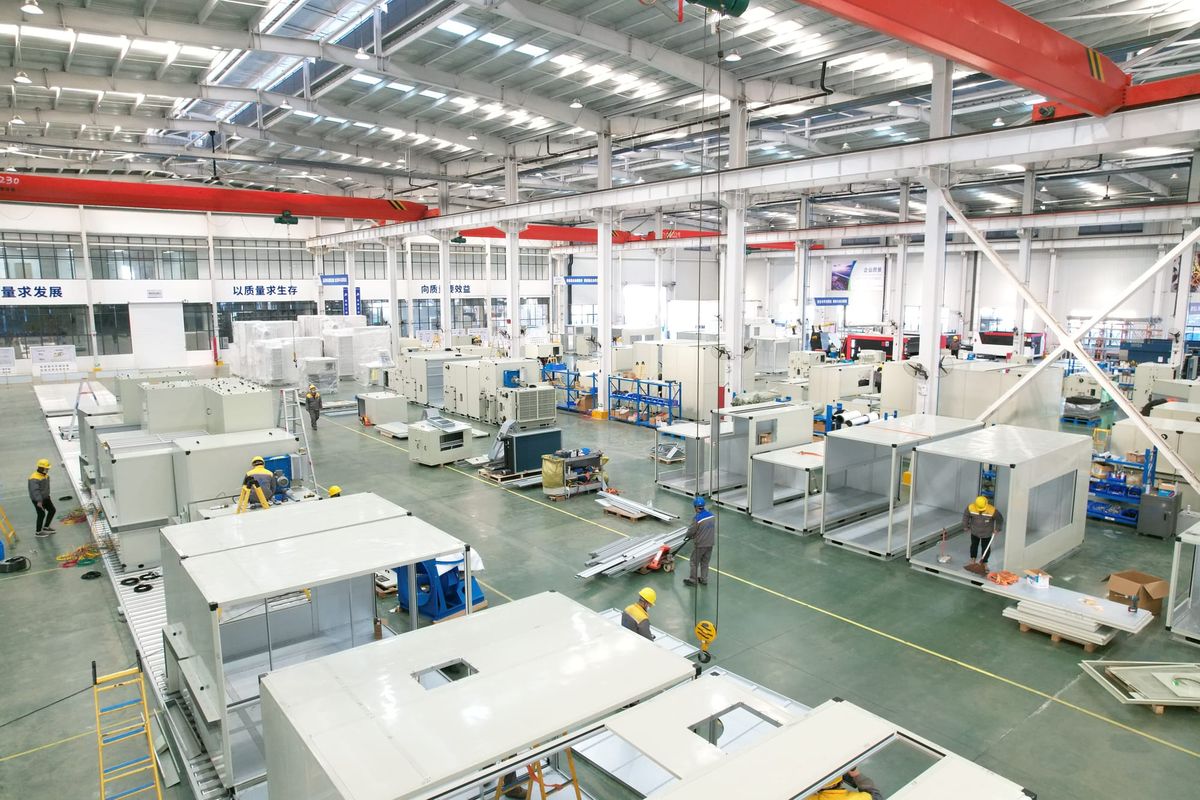
For a manufacturing company producing industrial dehumidification equipment, workplace safety risks may include machinery operation, production processes, electrical systems, and occupational exposure risks. The company’s safety approach indicates an effort to move from reactive incident management towards preventive risk control.
Further development of safety maturity could include expanded disclosure of leading indicators such as near-miss reporting, safety observations, contractor safety management, and behavioural safety programmes.
Product or service responsibility
Product responsibility represents a strategically important ESG dimension for JOSEM Environment because its products are directly linked to energy efficiency and industrial environmental performance. The company positions its dehumidification technologies as solutions supporting energy-saving production and improved environmental control in industries such as batteries, pharmaceuticals, food, and electronics.
The company reports investing in research and development capabilities, including multiple R&D centres, laboratories, patented technologies, and collaboration with academic institutions. It highlights innovation in areas such as low-energy dehumidification technologies and green product development.
From an ESG perspective, energy-efficient products may represent both an environmental contribution and a market opportunity. However, demonstrating lifecycle environmental benefits will increasingly require stronger product carbon footprint data, lifecycle assessments, and customer-side impact measurement.
Philanthropy
JOSEM Environment presents community engagement as part of its broader sustainability responsibilities. The company highlights cooperation with local enterprises, support for regional economic development, and contributions aligned with community relationships.
The company’s community approach appears closely connected with its operational footprint, particularly through local employment and supplier collaboration. This reflects a common model among manufacturing companies where social contribution is integrated with regional development.
Future disclosures could further enhance transparency by providing more measurable information on community investment, employee volunteering, social contribution programmes, and outcomes achieved.
Metrics, targets, and data robustness
The report adopts quantitative disclosure principles and states that key ESG indicators are presented through measurable and traceable data methodologies. The company emphasises consistency, comparability, and disclosure of calculation methods where relevant.
The inclusion of environmental indicators, climate-related information, employee-related indicators, and supply chain disclosures provides stakeholders with a broader understanding of ESG performance. The company also provides comparative KPI information between reporting years, supporting trend analysis.
Nevertheless, ESG maturity increasingly depends on forward-looking targets rather than historical reporting alone. Future improvements could include science-based climate targets, renewable energy targets, supplier emission reduction objectives, and quantified social performance goals.
Assurance, credibility, and comparability
JOSEM Environment states that the Board assumes responsibility for the truthfulness, accuracy, and completeness of the report. The report also references recognised frameworks including HKEX ESG guidance and GRI Standards, which improves comparability with other sustainability disclosures.
However, the report does not indicate independent external assurance of ESG information. As sustainability disclosure expectations increase, external assurance may become increasingly relevant, particularly for carbon emissions, climate-related information, and ESG data used by investors or customers.
Independent assurance could strengthen confidence in data quality, internal controls, and reporting processes, especially as regulatory regimes increasingly introduce mandatory sustainability reporting requirements.
Strategic implications for the sector
JOSEM Environment’s ESG report reflects broader transformation within the industrial equipment sector. Companies producing energy efficiency technologies are increasingly evaluated not only on manufacturing impacts but also on how their products contribute to customers’ sustainability objectives.
The report illustrates several emerging industry priorities: integration of ESG governance, climate risk management, sustainable supply chain development, and innovation-driven environmental solutions. These themes are increasingly relevant as industrial customers incorporate ESG criteria into procurement decisions.
For the sector, the next stage of ESG development will likely involve stronger value-chain emissions management, product lifecycle analysis, supplier decarbonisation, and greater linkage between sustainability performance and business strategy.
ESG maturity and future positioning
JOSEM Environment’s first ESG report demonstrates a structured approach to establishing ESG foundations, including governance mechanisms, materiality assessment, climate management, employee development, and supply chain practices. The report provides evidence of a company transitioning from operational sustainability activities towards more systematic ESG management.
The company’s future ESG positioning will depend on its ability to deepen quantitative targets, strengthen external verification, and connect sustainability performance with strategic outcomes. Areas such as climate scenario analysis, Scope 3 emissions management, product lifecycle assessment, and sustainability-linked innovation could become important development areas.
As ESG expectations continue to evolve globally, companies in the environmental technology sector will increasingly be assessed not only by their own operational footprint but also by the measurable sustainability value created through their products and services.
Pacifica ESG View
JOSEM Environment’s 2024 ESG Report represents a structured first step in building a sustainability management framework aligned with international reporting practices. The company demonstrates progress in ESG governance, climate management, product innovation, and responsible operations. The next phase of maturity will depend on strengthening measurable targets, assurance practices, and value-chain impact management.
Implications for the wider market
The report reflects a wider shift among industrial manufacturers from compliance-based ESG disclosure towards strategic sustainability management. As climate regulation, supply chain expectations, and investor scrutiny increase, companies that integrate ESG into innovation, operational efficiency, and risk management may be better positioned to respond to future market requirements.