Capital A Sustainability Report 2025 Reflects Growing ESG Maturity Through Climate Management, Governance and Social Responsibility
Capital A’s Sustainability Report 2025 highlights its evolving ESG approach through climate action, operational efficiency, sustainability governance and social responsibility initiatives, reflecting the aviation sector’s transition towards greater transparency and resilience.
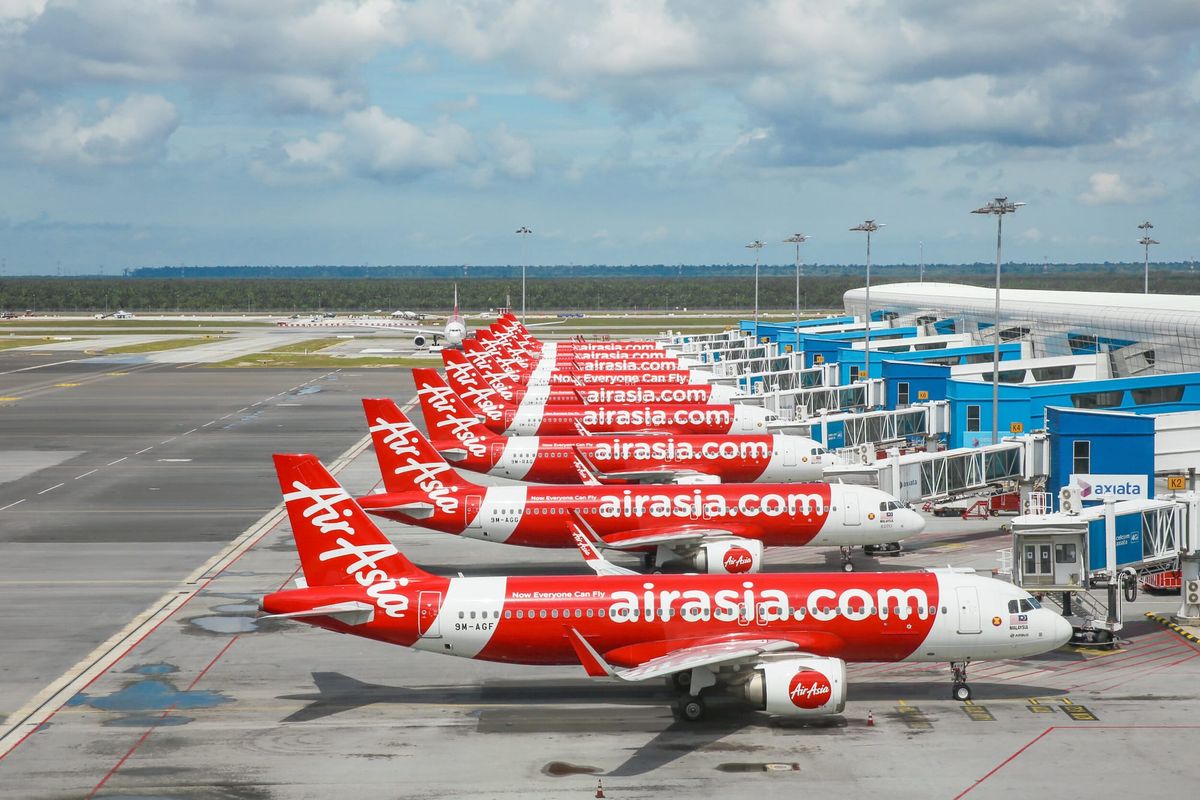
Capital A Berhad released its Sustainability Report 2025, covering the Group’s sustainability performance from 1 January 2025 to 31 December 2025. The report presents sustainability-related information across Economic, Environmental and Social dimensions and explains how sustainability considerations are being integrated into Capital A’s transformation into a broader travel and digital services group. The report is positioned as a complementary disclosure to the company’s Annual Report, providing stakeholders with additional insight into non-financial performance, risks and strategic priorities.
From a regulatory perspective, the report reflects the increasing convergence of sustainability reporting expectations across global markets. Capital A referenced Bursa Malaysia’s sustainability reporting requirements, the National Sustainability Reporting Framework (NSRF), GRI Standards 2021, IFRS Sustainability Disclosure Standards including IFRS S1 and IFRS S2, the UN Sustainable Development Goals and the Malaysian Code on Corporate Governance. The company also disclosed that it has adopted a climate-first approach and is working towards full adoption of IFRS S1 and IFRS S2 by 2027.
This reporting direction reflects a wider market transition where sustainability reporting is moving from voluntary corporate communication towards a more structured approach focused on governance, financial relevance, climate risks and decision-useful information. For companies operating in carbon-intensive sectors such as aviation, the ability to connect operational performance with climate-related risks and opportunities is becoming increasingly important for investors, regulators and business partners.
Governance architecture and accountability
Capital A has established a multi-level sustainability governance structure with Board oversight supported by dedicated sustainability functions. The Board of Directors remains the highest governing body responsible for guiding management and overseeing sustainability-related matters, while the Risk Management and Sustainability Committee (RMSC) provides direct oversight of sustainability strategies, policies, risks and opportunities.
The governance structure includes the Chief Sustainability Officer (CSO), Sustainability Working Group (SWG) and Group Sustainability Department. The CSO reports key sustainability and climate-related topics to the RMSC and Board on a quarterly basis, while the SWG brings together representatives from different business units to support implementation across the organisation. This structure suggests an effort to embed sustainability responsibilities beyond a central sustainability team and into operational functions.
The report also highlights the role of governance processes in managing emerging sustainability-related business risks. During 2025, sustainability governance discussions included ESG assessment outcomes, sustainability and climate strategies, CORSIA compliance status, net zero approaches and regulatory developments. This indicates that sustainability topics are increasingly being considered alongside broader enterprise risk management and strategic planning.
Materiality approach and risk prioritisation
Capital A’s sustainability framework is organised around 12 material topics across Economic, Environmental and Social pillars. These include corporate governance, sustainable supply chain, guest experience, technology and innovation, information security and data privacy, climate strategy, waste management, health and safety, diversity and inclusion, talent attraction and retention, human rights and community investment.
The company’s materiality approach reflects the operational realities of the aviation sector. Climate change, operational efficiency, safety, customer experience, workforce capability and responsible supply chain management represent areas where sustainability issues may directly influence business continuity and stakeholder confidence.
The framework also links sustainability priorities with measurable objectives. Capital A stated that its sustainability roadmap is executed through six strategic drivers, including reducing carbon footprint, minimising waste, creating an inclusive workplace and investing in communities. The company has established internal short- and medium-term targets for selected environmental and social areas.
Climate, supply chain, and social dimensions
Climate change remains one of the most significant sustainability challenges for aviation. Capital A’s report demonstrates a focus on operational decarbonisation through fuel efficiency, aircraft optimisation and process innovation. During 2025, the Group reported that 13 flight operation measures delivered 43,000 tonnes of fuel savings, representing 2.4% of total fuel consumption. These initiatives avoided more than 140,000 tonnes of CO₂ emissions and generated US$33 million in fuel and carbon cost savings.
The company also addressed carbon market developments through its participation in the Carbon Offsetting and Reduction Scheme for International Aviation (CORSIA). Capital A disclosed that it incorporated CORSIA costs into financial planning and engaged stakeholders to address challenges relating to carbon credit supply. This suggests that climate transition considerations are being incorporated into operational and financial decision-making.
The report provides several environmental performance indicators. Capital A reported total emissions of 7 million tCO₂e in 2025, compared with 6.6 million tCO₂e in 2024. It also disclosed emissions intensity indicators of 62.9 gCO₂/ASK and 76.3 gCO₂/RPK, together with 23% waste diversion from disposal. While absolute emissions remain influenced by business scale and flight activity, intensity indicators provide a more relevant measure of operational efficiency for aviation businesses.
Supply chain responsibility is also identified as a strategic area. The report highlights policy reviews and gap assessments aimed at improving supply chain sustainability. As regulatory expectations around responsible sourcing, human rights and supply chain transparency continue to develop globally, supply chain governance may become an increasingly important area for future enhancement.
Employment
Human capital remains a central component of Capital A’s sustainability approach. The company identifies talent attraction and retention, diversity and inclusion, and workforce development as key sustainability topics.
During 2025, Capital A reported RM2.1 million invested in employee training and an average of two training hours per employee. The company also introduced leadership and mentorship programmes as part of its talent development initiatives.
The company’s workforce strategy also includes inclusion initiatives. Capital A introduced a hijab option for cabin crew uniforms, positioning the measure as part of efforts to support workforce diversity and retain experienced employees. Such initiatives reflect broader industry discussions around creating more inclusive workplaces, particularly in sectors where workforce representation and customer-facing roles are closely connected.
Health and safety
Health and safety remain material issues for an aviation company due to the operational risks associated with passenger transport, flight operations and ground activities. Capital A identifies safety as one of its sustainability priorities and includes operational safety and occupational health and safety among its material topics.
The Group reported a lost time incident rate of 5.3 in 2025 compared with 6.2 in 2024. The continued focus on safety performance suggests that operational resilience depends not only on efficiency improvements but also on maintaining workforce capability and safety management systems.
Product or service responsibility
For an airline and travel services group, product and service responsibility extends beyond traditional product quality considerations to include customer experience, information security and responsible technology use. Capital A identifies guest experience, technology and innovation, and information security and data privacy as key material topics.
The company highlighted strengthened information security measures, including the appointment of its first Data Protection Officer and the introduction of secure coding awareness training for developers. These developments reflect increasing recognition that digital transformation creates both opportunities and governance responsibilities.
Philanthropy
Community investment remains part of Capital A’s sustainability framework. The company identifies community investment as a strategic driver and highlights the role of the AirAsia Foundation in supporting social enterprises and community initiatives.
In 2025, Capital A reported RM197,760 awarded to social enterprises through the AirAsia Foundation, compared with RM176,150 in 2024. The company’s community programmes indicate an approach that connects social impact activities with regional development priorities.
Metrics, targets, and data robustness
Capital A provides a broad range of quantitative indicators covering environmental, social and governance performance. The inclusion of emissions intensity metrics, fuel efficiency savings, safety indicators, workforce indicators and community investment data enables stakeholders to track performance across multiple dimensions.
However, the aviation sector presents inherent measurement challenges. Absolute emissions are strongly influenced by passenger demand, network expansion and operational scale, meaning that intensity metrics and transition measures remain important for assessing progress. The company’s continued movement towards IFRS S1 and IFRS S2 adoption may further strengthen the linkage between sustainability information and financial decision-making.
The report also indicates that Capital A has established internal, time-bound targets for selected environmental and social topics. Future reporting maturity may depend on further disclosure of quantitative targets, transition pathways and progress against longer-term commitments.
Assurance, credibility, and comparability
Capital A describes several processes designed to strengthen reporting credibility. The report underwent internal review by the Sustainability Working Group, review by the internal audit department and endorsement by the Board of Directors. International carbon emissions were independently verified through ICAO-approved verification bodies as part of the CORSIA Monitoring, Reporting and Verification process.
The company stated that it aims to implement a more comprehensive assurance process in the future. This direction aligns with broader market expectations, particularly as sustainability disclosures become increasingly connected with regulatory reporting requirements and investor decision-making.
Strategic implications for the sector
Capital A’s sustainability disclosures reflect broader transformation pressures facing the aviation sector. Airlines are navigating the combined challenges of emissions reduction, fuel cost volatility, climate regulation, customer expectations and operational resilience.
The company’s emphasis on efficiency measures, carbon management, technology adoption and workforce development suggests a strategy focused on practical transition actions. While sustainable aviation fuels, carbon markets and future technologies remain important strategic options for the sector, their scalability and commercial feasibility continue to evolve.
For investors and stakeholders, the key consideration will be how aviation companies translate operational initiatives into measurable long-term transition strategies supported by credible data, governance structures and financial planning.
ESG maturity and future positioning
Based on its 2025 disclosures, Capital A demonstrates characteristics of an established ESG management system, including Board oversight, dedicated sustainability governance, climate-related initiatives and structured reporting practices. The company’s alignment with multiple reporting frameworks and its planned progression towards IFRS S1 and IFRS S2 adoption indicate a continued effort to strengthen disclosure maturity.
Future areas for stakeholders to monitor include the development of more detailed transition planning, expansion of supply chain sustainability practices, further climate-related financial disclosures and the evolution of measurable sustainability targets. These areas may influence how aviation companies position themselves amid increasing regulatory and market expectations.
Pacifica ESG View
Capital A’s Sustainability Report 2025 demonstrates a structured approach to sustainability management within a complex aviation environment. The strongest signals are its governance framework, operational emissions reduction initiatives and increasing integration of sustainability into business planning. The company’s next stage of maturity will likely depend on how effectively it converts operational improvements into longer-term climate transition strategies, stronger supply chain oversight and more financially connected sustainability disclosures.
Implications for the wider market
The report reflects wider trends affecting transportation and aviation companies globally. Sustainability reporting is increasingly moving towards measurable transition plans, governance accountability and climate-related financial information. Companies operating in emissions-intensive sectors may need to strengthen not only environmental performance but also data quality, assurance processes and the ability to demonstrate how sustainability considerations influence strategic decisions.