Beyond Food Production: How Charoen Pokphand Foods Is Building a More Sustainable Global Food System
Charoen Pokphand Foods has released its 2025 Sustainability Report, highlighting progress in climate action, sustainable sourcing, food security and governance. The report signals how innovation, resilience and responsible supply chains are shaping the company's long-term ESG strategy.
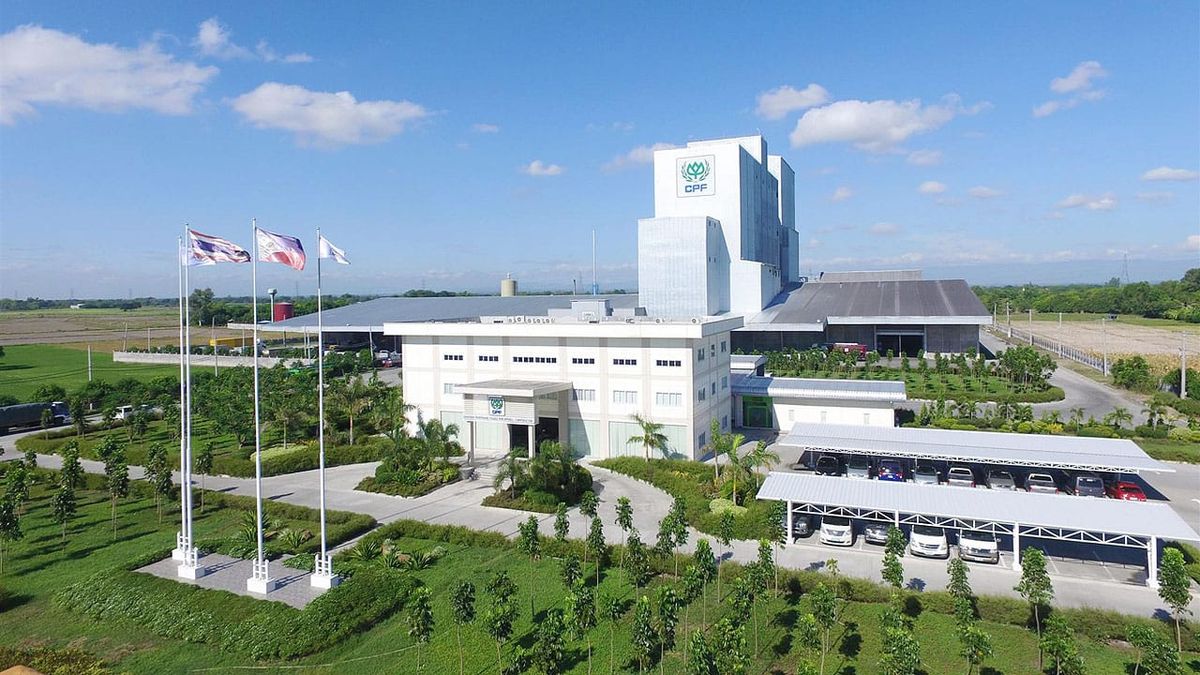
Charoen Pokphand Foods Public Company Limited (CPF) has published its Sustainability Report 2025, presenting an updated view of how one of the world's largest integrated agro-industrial and food companies is embedding sustainability into its global growth strategy. Operating across 17 countries and serving more than 50 markets, CPF positions sustainability as a core component of its "Kitchen of the World" vision, linking food security, climate resilience and innovation under its "Sustainovation" framework.
The report arrives as the global food industry faces growing pressure from climate change, biodiversity loss, supply chain transparency requirements and evolving sustainability regulations. Investors, customers and regulators increasingly expect food producers to demonstrate measurable progress on emissions reduction, responsible sourcing and human rights while maintaining resilient food systems. Against this backdrop, CPF's latest report provides insight into how the company is positioning itself for a more sustainability-focused operating environment.
Key sustainability themes and disclosures
Climate action remains one of the report's strongest themes. CPF reiterates its commitment to achieving net-zero greenhouse gas emissions across its value chain by 2050, aligned with the Science Based Targets initiative (SBTi). During 2025, the company reported a 4% reduction in Scope 2 emissions compared with 2024, increased renewable energy usage to 31% of total energy consumption, reduced water withdrawal intensity by 10%, and lowered waste volumes by 2%. These results indicate continued operational progress while recognising that further decarbonisation will increasingly depend on value chain collaboration.
The report also places considerable emphasis on sustainable agriculture and biodiversity. CPF highlights blockchain-enabled traceability for deforestation-free soy sourcing, environmentally responsible feed solutions, water stewardship initiatives and biodiversity conservation programmes. These initiatives reflect growing recognition that long-term business resilience in the food sector depends not only on operational efficiency but also on maintaining healthy ecosystems and responsible agricultural practices.
Food quality and safety continue to be central to CPF's sustainability strategy. The company highlights internationally recognised food safety standards and references its "Mission to Space" initiative, where Thai chicken products certified to NASA's space food safety requirements were supplied to the International Space Station. While symbolic, this example demonstrates CPF's continued investment in food innovation, product quality and consumer confidence.
Social performance also remains a prominent feature of the report. CPF employed more than 133,000 people globally in 2025 while providing an average of 31.6 training hours per employee. Beyond its workforce, the company reports supporting access to food in more than 1,000 schools and educational initiatives across more than 300 schools, illustrating how community investment is increasingly linked to broader food security objectives rather than standalone philanthropy.
Governance and strategic signals
One notable development is CPF's refreshed sustainability strategic framework. Following a 2025 materiality assessment covering its global agro-industrial value chain, the company updated its sustainability priorities into three strategic pillars supported by seven focus areas and governance foundations. The report describes an integrated governance model involving Board oversight, management accountability and dedicated sustainability working groups covering climate, supply chains and animal welfare.
The report also reinforces alignment with internationally recognised sustainability frameworks, including the UN Global Compact, the UN Sustainable Development Goals and the Paris Agreement. These references, together with continued participation in global ESG assessments such as the Dow Jones Sustainability Indices, FTSE4Good, CDP and SET ESG Ratings, suggest CPF continues to benchmark its sustainability performance against recognised international standards rather than local compliance alone.
Another strategic signal is the company's increasing emphasis on technology-enabled sustainability. CPF describes its ambition to become a "Bionic Organization", integrating artificial intelligence, digital technologies and data analytics into decision-making and operational management. Although still developing, this direction reflects a broader trend across the food industry where digitalisation is becoming increasingly important for traceability, emissions management, productivity and supply chain resilience.
What this report suggests about future direction
CPF's Sustainability Report 2025 suggests the company is moving beyond viewing sustainability as a compliance exercise towards embedding it within long-term business strategy. Climate resilience, sustainable sourcing, food innovation and human capital development are increasingly presented as interconnected drivers of business competitiveness and food security rather than separate ESG initiatives.
Looking ahead, future reporting may place greater emphasis on transition planning, Scope 3 emissions management, nature-related risks and technology-enabled supply chain transparency as global disclosure expectations continue to evolve. For a multinational food producer with extensive agricultural operations, continued progress in these areas could strengthen readiness for emerging frameworks such as ISSB, CSRD and TNFD while supporting stakeholder expectations for measurable sustainability outcomes.
Pacifica ESG View
CPF's Sustainability Report 2025 reflects a company with an established sustainability framework that continues to mature through measurable climate action, responsible sourcing and governance integration. While many initiatives build on existing commitments, the stronger emphasis on technology, value chain collaboration and food system resilience suggests sustainability is becoming increasingly embedded within CPF's long-term business strategy.