Bank of China 2024 CSR Report Highlights Expanding Green Finance, Climate Risk Management and Deeper ESG Integration
Bank of China’s 2024 CSR Report highlights the continued expansion of green finance, stronger climate and customer ESG risk management, lower operational emissions, workforce development, consumer protection and deeper sustainability governance.
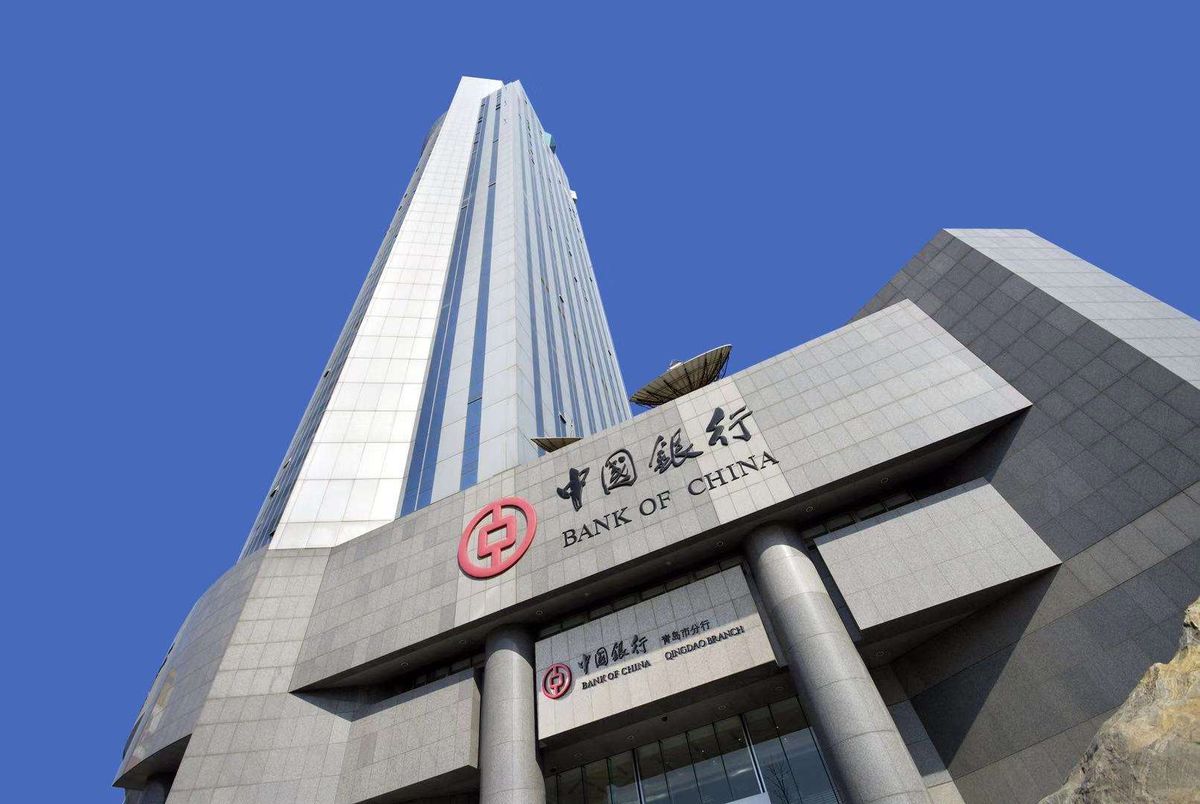
Bank of China Limited has released its 2024 Corporate Social Responsibility Report, covering the period from 1 January to 31 December 2024. The publication is the Bank’s 18th consecutive annual CSR report and covers the same organisational boundary as its consolidated financial statements. It was prepared with reference to requirements and frameworks including the Hong Kong Stock Exchange ESG Reporting Code, Shanghai Stock Exchange requirements, the People’s Bank of China’s environmental disclosure guidelines, ISO 26000, GRI Standards 2021 and the United Nations Principles for Responsible Banking.
For a global systemically important bank with operations across the Chinese mainland and 64 countries and regions, the report matters principally because its ESG impacts extend far beyond the environmental footprint of its own offices. The more strategically significant question is how environmental and social considerations influence lending, investment, risk management and capital allocation. BOC’s latest disclosures suggest that green finance and customer ESG risk management are becoming increasingly embedded within these core banking processes.
Key Sustainability Themes and Disclosures
Green finance remains the most prominent environmental theme. By the end of 2024, BOC’s domestic green credit balance had reached RMB4.07 trillion, accounting for more than 20% of domestic lending and increasing RMB964.1 billion, or 31.03%, year on year. Green bond investments exceeded RMB100 billion, while the Bank reported leading positions in both domestic and offshore green bond underwriting among Chinese institutions.
The report also signals increasing attention to the carbon exposure embedded in BOC’s financing portfolio. Corporate lending to domestic carbon-intensive industries remained below RMB1 trillion and represented less than 10% of domestic corporate credit. BOC continues to state that it will not finance new overseas coal mining or coal power projects, other than previously contracted projects, while its industry credit policies incorporate environmental, climate, biodiversity and broader ESG criteria across more than 100 sectors and subsectors.
Operational emissions also moved downward. Combined Scope 1 and Scope 2 emissions fell to approximately 1.22 million tCO2e in 2024 from 1.59 million tCO2e in 2023, while emissions intensity declined to 3.92 tCO2e per full-time equivalent employee from 5.02. BOC also disclosed Scope 3 Category 5 emissions from operational waste for the first time, totalling 11,592 tCO2e, and stated that other Scope 3 categories will be expanded progressively.
Thirty-nine major office buildings, including the Head Office and BOCHK premises, achieved certified operational carbon neutrality during the year, with associated emissions declining 49.24% year on year. These buildings consumed 111,528 MWh of green electricity, representing 40.26% of their electricity consumption. Group-wide water use also declined to 12.52 million cubic metres from 13.53 million cubic metres in 2023, while recycled water use increased.
The social disclosures point to substantial investment in workforce development. BOC reported 312,757 employees globally, of whom 57.24% were women, while employee turnover declined to 1.39% from 1.66% in 2023. Employee training coverage reached 98.22%, with average training increasing to 65.57 hours per employee, compared with 55.32 hours in the previous year.
Employee wellbeing measures include health examinations, public-health contingency arrangements, first-aid training, psychological support programmes and workplace safety inspections. On the customer side, BOC reported 284,000 complaints during 2024, all recorded as handled or resolved, while overall customer satisfaction reached 92.2%. The Bank also stated that no significant personal customer information breaches or data security incidents occurred during the year.
Community investment remained significant. Charitable donations reached RMB144 million, compared with RMB94.54 million in 2023, while employees contributed approximately 26,300 hours of volunteer activity. The Bank’s social programmes covered areas including rural revitalisation, education, healthcare, environmental protection and disaster response.
Governance and Strategic Signals
BOC operates a three-tier green finance and environmental governance structure comprising the Board of Directors, Senior Management and professional teams. The Board approves green finance plans and objectives, while its committees address strategy, risk, remuneration and consumer protection. Importantly, green finance indicators are incorporated into senior management performance assessments and linked to remuneration, strengthening the connection between ESG objectives and executive accountability.
The risk-management architecture is particularly relevant for investors. Customer ESG risks are incorporated into BOC’s comprehensive risk-management framework, with the Chief Risk Officer chairing the Green Finance Committee and able to report directly to the Board. The Bank categorises customers according to ESG risk, applies enhanced controls to higher-risk clients and incorporates ESG-related factors into internal credit-rating processes.
Materiality is also becoming more structured. BOC identified 23 ESG and CSR issues and assessed them according to their impact on the Bank and stakeholders. Core topics include green finance, consumer protection, compliance, cyber and information security, financial risk management and climate change. The Bank has additionally established a working group to prepare for evolving sustainability disclosure requirements and has begun assessing sustainability-related impacts, risks and opportunities.
What This Report Suggests About Future Direction
The strongest signal is that BOC’s sustainability agenda is increasingly shifting from corporate operational impacts toward financed impacts and ESG-integrated financial decision-making. Its green credit growth, sector-specific ESG policies and end-to-end customer ESG risk framework suggest a direction of travel in which sustainability considerations may increasingly influence customer selection, credit approval, pricing and portfolio management.
Nature-related finance may also become more visible. BOC participates in the Taskforce on Nature-related Financial Disclosures and has developed biodiversity-related research and sector credit requirements. At the same time, its first Scope 3 operational disclosure indicates that environmental data boundaries are still evolving, leaving room for broader value-chain emissions reporting and potentially greater transparency around financed emissions.
Credibility is supported by external assurance: Ernst & Young Hua Ming LLP provides independent assurance over selected key data in the report. As sustainability disclosure requirements in China and Hong Kong continue to develop, broader coverage of assured ESG metrics, financed emissions and climate-related financial effects could become increasingly important for comparability.
Pacifica ESG View
Bank of China’s 2024 report shows a sustainability model increasingly centred on the role of finance itself. The most significant signals are the expansion of green credit, formal integration of customer ESG risk into credit processes, stronger Board oversight and the gradual development of climate and nature-related disclosure. Stakeholders should watch how BOC develops financed-emissions measurement, portfolio transition indicators, Scope 3 coverage and sustainability-related financial disclosures. These areas may provide the clearest evidence of how the Bank’s ESG framework progresses from policy integration toward measurable portfolio-level transition.