Samsung Electronics Advances Renewable Energy, Resource Circularity and Sustainable Supply Chain Management
Samsung Electronics is advancing renewable energy adoption, product circularity, water stewardship and supply chain due diligence as it works to address climate, resource and human rights challenges across its global value chain.
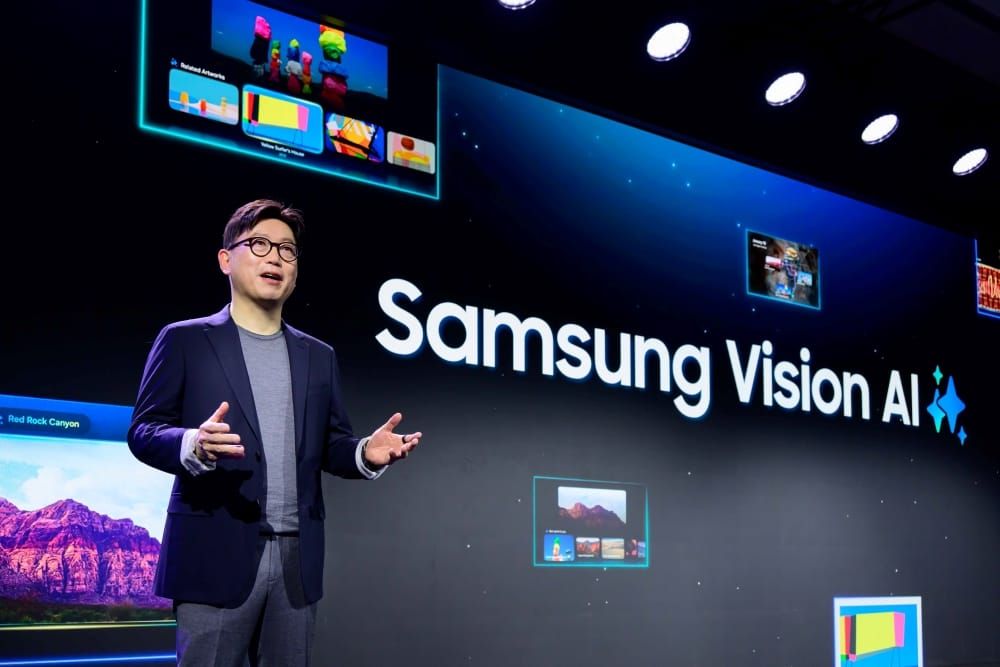
Samsung Electronics has released its Sustainability Report 2025, covering sustainability performance and management activities during 2024. The report aligns with major international disclosure frameworks and includes reporting against GRI, TCFD, SASB and other sustainability disclosure standards. The publication provides stakeholders with an updated view of how one of the world’s largest technology companies is responding to climate risks, resource constraints, supply chain expectations and evolving ESG disclosure requirements.
The report is particularly significant given the growing scrutiny facing global electronics manufacturers regarding greenhouse gas emissions, renewable energy adoption, supply chain human rights, product circularity and responsible governance. It also provides insight into how Samsung is positioning itself amid increasing demand for AI technologies, which are expected to drive higher energy consumption across the digital economy.
Key Sustainability Themes and Disclosures
Climate change remains one of Samsung Electronics’ most material sustainability priorities. The company reaffirmed its commitment to achieve net zero Scope 1 and Scope 2 emissions by 2030 for its Device eXperience (DX) Division and by 2050 for its Device Solutions (DS) Division. The DX Division reported a renewable energy transition rate of 93.4% in 2024 and continues to expand power purchase agreements and renewable energy procurement across key manufacturing markets including Korea, Vietnam, China, India, Mexico and Brazil.
The company’s climate strategy extends beyond operational emissions. Samsung disclosed ongoing efforts to reduce value chain emissions through supplier engagement, product energy efficiency improvements and lifecycle assessment programmes. Product-use emissions remain a major component of Scope 3 emissions, and the company reported that flagship models across seven major product categories achieved an average 31.5% reduction in power consumption compared with 2019 baseline levels. This suggests a continued focus on reducing downstream emissions through product design and innovation.
Resource circularity also featured prominently throughout the report. Samsung reported that 31% of plastic components used in DX products now contain recycled materials, while cumulative recycled plastic use reached approximately 769,000 tonnes since 2009. The company continues to expand e-waste collection programmes across around 80 countries and has recovered approximately 6.9 million tonnes of electronic waste since 2009. Circular material initiatives now extend beyond plastics to include recycled aluminum, cobalt, copper, glass and rare earth materials integrated into flagship products.
Water stewardship remains another key environmental focus, particularly for semiconductor operations. Samsung reported that all Korean manufacturing sites within the DS Division achieved the highest Platinum certification under the Alliance for Water Stewardship (AWS) framework. The DX Division reported a global water replenishment rate of 38.6% and aims to replenish 100% of water used globally by 2030.
On the social dimension, Samsung highlighted workforce safety, labor rights and talent development. The company maintains a goal of achieving Zero Major Accidents and a globally leading lost-time injury rate by 2030. Human rights due diligence was expanded across manufacturing operations, while labor and human rights risk assessments were conducted at 19 manufacturing sites during 2024. Supply chain oversight also increased through third-party assessments of second-tier suppliers and preparation for enhanced due diligence requirements expected to be introduced in 2025.
Beyond its workforce, Samsung continued investing in social impact programmes. The Samsung SW·AI Academy for Youth trained approximately 2,200 software talents during 2024, while the company expanded support programmes for young adults transitioning from protective care facilities.
Governance and Strategic Signals
The report indicates that sustainability governance is increasingly embedded within Samsung’s overall management structure. The Board-level Sustainability Committee continues to oversee environmental, social and governance strategies, while dedicated sustainability councils within both major business divisions support implementation and accountability.
A notable governance signal is the integration of sustainability performance indicators into executive and organisational performance evaluations. Metrics including greenhouse gas reduction, renewable energy adoption, product energy efficiency, regulatory compliance and accessibility are now incorporated into management assessments. This suggests ESG performance is becoming more closely linked to business execution rather than remaining a standalone reporting function.
The company also continues to strengthen governance transparency through board independence, diverse director expertise and structured stakeholder engagement processes involving customers, investors, employees, suppliers, regulators and civil society organisations.
What This Report Suggests About Future Direction
Samsung’s disclosures suggest a sustainability strategy increasingly focused on operational decarbonisation, supply chain resilience and product lifecycle management. Continued investments in renewable energy procurement, carbon reduction technologies and climate risk analysis may indicate preparation for stricter regulatory requirements and customer expectations across global markets.
The expansion of supplier due diligence and human rights assessments suggests Samsung is positioning itself to address emerging regulations related to responsible sourcing and value-chain accountability. This direction of travel is particularly relevant as global supply chains face increasing scrutiny from regulators, investors and multinational customers.
The report also suggests that circular economy initiatives are evolving from waste management programmes into broader resource security and product design strategies. As demand for critical minerals and semiconductor technologies grows, Samsung’s efforts to recover and reuse materials may provide both environmental and business resilience benefits over the longer term.
Pacifica ESG View
Samsung Electronics’ 2025 Sustainability Report signals a mature and increasingly integrated ESG programme. The strongest indicators are the company’s progress toward renewable energy adoption, its growing emphasis on circularity and its expansion of supply chain due diligence. Stakeholders should continue monitoring progress on value-chain emissions, renewable energy deployment within semiconductor operations and implementation of enhanced human rights and supplier governance programmes, as these areas are likely to shape Samsung’s long-term sustainability performance and stakeholder expectations.