Taiwan Biotechnology Company Grape King Bio Strengthens ESG Strategy with Renewable Energy, Sustainable Products and Governance
Taiwan’s Grape King Bio ESG Report 2025 highlights its sustainability journey through climate commitments, renewable energy goals, responsible product management, ethical governance, innovation and social initiatives, reflecting the company’s continued focus on ESG integration.
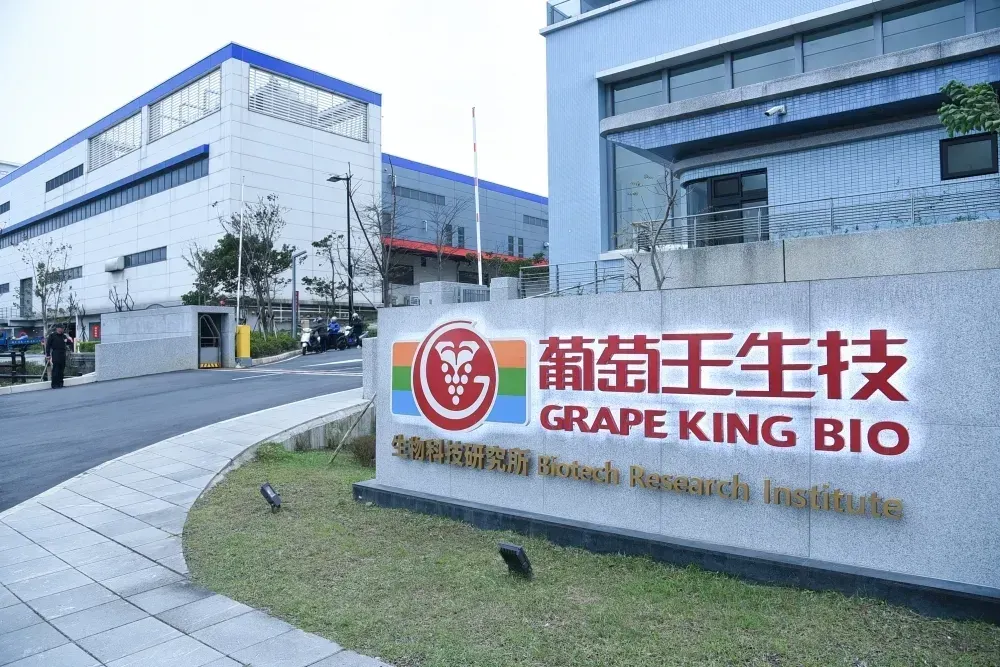
Grape King Bio Ltd. has released its 2025 ESG Report, covering its sustainability performance and initiatives from 1 January 2025 to 31 December 2025. The report represents the company’s 12th consecutive year of voluntary sustainability reporting and was published following approval by the Board of Directors. The disclosure covers the company’s consolidated operational scope, including key entities across Taiwan, China and Malaysia, reflecting the company’s broader operational footprint.
The report was prepared with reference to internationally recognised sustainability frameworks, including the GRI Standards 2021, AA1000 (2008) Standard, SASB standards for the Household & Personal Products and Processed Foods industries, Taiwan Stock Exchange sustainability reporting requirements, ISO 26000 guidance on social responsibility and the United Nations Global Compact. Selected sustainability performance information was subject to limited assurance by Deloitte & Touche under Assurance Engagements Standards No. 3000, strengthening the credibility of disclosed ESG information.
As a biotechnology and health products company, Grape King Bio’s ESG priorities reflect the characteristics of the industry, where product safety, responsible innovation, supply chain management, consumer trust and environmental impacts from manufacturing operations are increasingly important considerations for stakeholders.
Key Sustainability Themes and Disclosures
Grape King Bio’s sustainability strategy is structured around six major areas: Ethical Governance, Product Liability, Innovation and R&D, Happy Workplace, Social Prosperity and Green Environment. The company positions sustainability around its core values of “Technology, Health and Hope”, linking ESG management with its long-term business mission of contributing to social wellbeing. This framework indicates an approach where sustainability is integrated across operational, product and social dimensions rather than being managed solely as an environmental initiative.
Climate change and environmental management remain important elements of the company’s sustainability agenda. Grape King Bio disclosed that it became the fourth Taiwanese company to join RE100 and has committed to achieving 100% renewable energy use by 2035. The company also continues to follow its SBTi-verified pathway towards net-zero emissions. These commitments suggest that the company is aligning its climate strategy with internationally recognised transition frameworks and preparing for increasing expectations around corporate decarbonisation.
The company has also established environmental management systems to support operational improvements. Its Pingzhen Headquarters has maintained ISO 14001 environmental management certification since 2017 and ISO 50001 energy management certification since 2019. These management systems provide a structured foundation for monitoring environmental performance, including energy efficiency, resource management and operational controls.
Product responsibility represents another significant ESG focus area. Grape King Bio highlighted its food safety traceability system and compliance with multiple international certifications, including PIC/S GMP, ISO 22000, HACCP, NSF GMP, TQF, HALAL, ISO/IEC 17025 TAF-certified laboratory standards and FSSC22000. In 2025, the company audited 214 suppliers, achieving a 100% supplier audit rate, reflecting a structured approach towards supply chain quality and food safety oversight.
Innovation and sustainable product development are also central themes. The company’s sustainable product blueprint focuses on addressing evolving health needs among different consumer groups, including elderly populations, children and working-age adults. It also highlights efforts to develop recyclable materials, reduce plastic usage and evaluate packaging options with reduced environmental impacts. These initiatives suggest that product innovation is being considered alongside sustainability considerations.
Governance and Strategic Signals
Grape King Bio’s governance approach places the ESG Committee at the centre of sustainability management. The company has developed its ESG framework since 2019, focusing on environmental sustainability, social participation and corporate governance, with ESG considerations incorporated into management processes and performance monitoring.
Ethical governance and compliance remain key components of the company’s sustainability strategy. Grape King Bio disclosed that it established a Corporate Governance Task Force to promote integrity, anti-corruption and anti-bribery practices. The company achieved ISO 37001 Anti-Bribery Management System certification for all sites for the third consecutive year in 2025. These measures indicate a focus on strengthening internal controls and maintaining stakeholder confidence.
The company also continues to emphasise transparency and external engagement. Grape King Bio reported maintaining bilingual disclosure of corporate governance and financial information and participating in four domestic and international investor conferences in 2025. Such practices may support improved communication with investors and other stakeholders seeking greater visibility into sustainability-related risks and opportunities.
What This Report Suggests About Future Direction
Grape King Bio’s 2025 ESG disclosures suggest a continued direction towards deeper integration of sustainability into business operations, particularly in areas closely connected with its industry characteristics. Climate transition, sustainable packaging, responsible supply chain management and product safety appear to be areas where sustainability priorities are closely linked with operational resilience and customer trust.
The company’s renewable energy commitment, SBTi-aligned net-zero pathway and environmental management certifications indicate potential readiness for evolving climate expectations. Going forward, stakeholders may monitor how the company translates these commitments into measurable emissions reduction progress, renewable energy adoption and broader value chain initiatives.
Social sustainability is also expected to remain an important area of focus. Grape King Bio reported continued investment in employee wellbeing, workplace safety and community engagement. The company maintains an Occupational Safety and Health Committee, dedicated nursing staff, health seminars and certifications including ISO 45001 and CNS 45001. In 2025, social community investment reached NT$21.386 million with 1,296 volunteers participating.
As ESG expectations continue to evolve, future areas of stakeholder attention may include further quantitative climate disclosures, expanded supply chain sustainability information and continued alignment with emerging reporting requirements. The company’s existing reporting framework and assurance approach provide a foundation for continued ESG disclosure development.
Pacifica ESG View
Grape King Bio’s ESG Report 2025 reflects a structured sustainability approach built around ethical governance, responsible products, innovation, workforce development and environmental management. The company demonstrates established ESG systems through international certifications, climate commitments, supplier oversight and third-party assurance. Going forward, stakeholders may focus on how effectively Grape King Bio converts its sustainability commitments into measurable performance outcomes, particularly in renewable energy adoption, emissions reduction and sustainable supply chain development.