Wilmar International’s 2025 Sustainability Report: From ESG Commitments to Measurable Accountability Across Global Agribusiness
Wilmar International’s 2025 Sustainability Report highlights progress in ESG governance, climate targets, biodiversity conservation and supply chain traceability, while revealing ongoing challenges in emissions reduction, human rights and sustainability assurance.
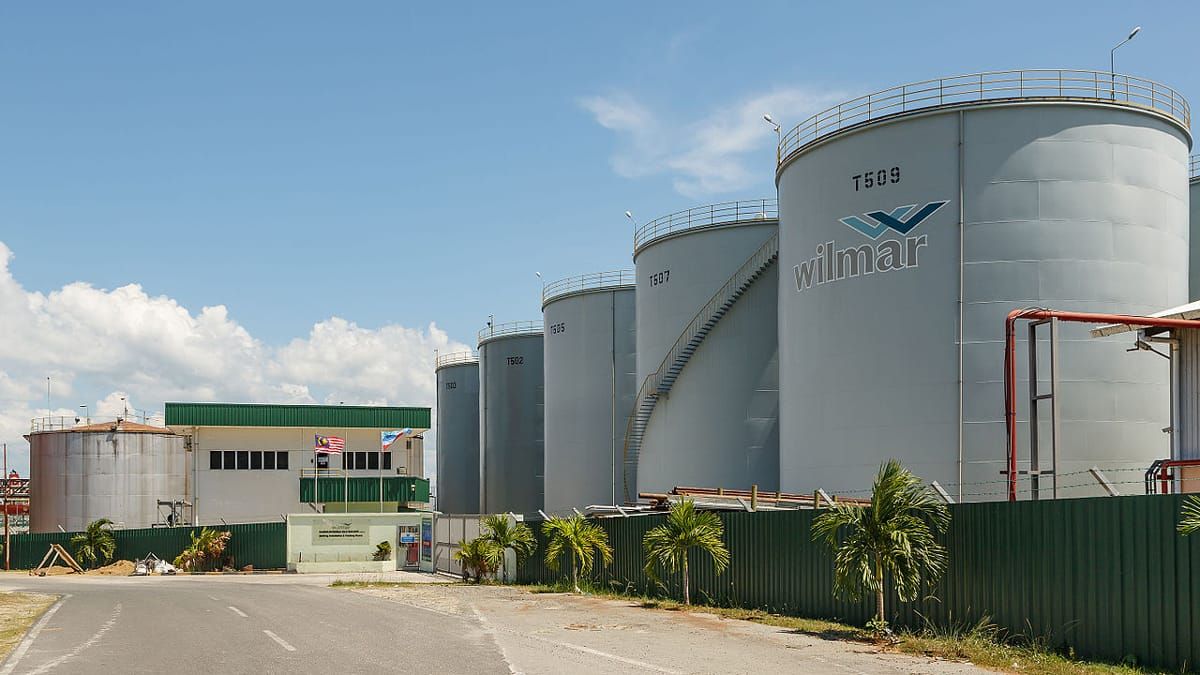
Wilmar International Limited occupies a significant position in the global agricultural and food supply chain. Headquartered in Singapore and founded in 1991, the Group operates an integrated business model spanning oil palm cultivation, oilseed crushing, edible oil refining, sugar processing, food manufacturing, oleochemicals, biodiesel and distribution. Its activities connect agricultural production with industrial processing and consumer markets, creating substantial environmental, social and governance responsibilities.
According to its 2025 Sustainability Report, Wilmar operated more than 1,000 manufacturing plants across 36 countries and regions, employed approximately 100,000 people, and generated revenue of US$70.42 billion and net profit of US$1.41 billion. This scale makes sustainability management particularly complex: the Group must address both direct operational impacts and risks arising from geographically dispersed suppliers, agricultural landscapes and downstream markets.
The report, titled From Commitment to Action, provides an opportunity to examine how a major agribusiness is translating longstanding sustainability policies into governance arrangements, measurable performance and supply chain accountability. Its significance extends beyond Wilmar itself, offering insights into the changing expectations placed on multinational agricultural companies.
Reporting Background and Regulatory Context
Wilmar has published sustainability information since 2007, with its 2025 Sustainability Report representing the fourteenth edition of its dedicated sustainability reporting series. The report covers the financial year ended 31 December 2025 and follows the GRI Sustainability Reporting Standards 2021, alongside relevant SASB Agricultural Products and Processed Foods standards and the UN Guiding Principles Reporting Framework.
The company also reports in accordance with Singapore Exchange sustainability reporting requirements and is progressively incorporating IFRS S2 climate-related disclosures, with relevant elements of IFRS S1. This represents an important development in reporting architecture: sustainability information is increasingly expected to explain not only corporate impacts but also the financial implications of climate-related risks and opportunities.
Wilmar's reporting approach is especially relevant to the European Union Deforestation Regulation (EUDR), given its exposure to palm oil and other agricultural commodities. Its existing No Deforestation, No Peat, No Exploitation (NDPE) framework, traceability systems and supplier monitoring arrangements provide foundations for regulatory due diligence. Nevertheless, voluntary NDPE commitments and certification systems should not be regarded as automatic evidence of EUDR compliance, which depends on commodity-specific legal requirements and documented due diligence.
The report also recognises emerging expectations under the Taskforce on Nature-related Financial Disclosures (TNFD). The strategic direction is towards greater integration of climate, biodiversity, land use and financial risk information, although alignment with these frameworks remains an evolving process rather than evidence of complete implementation.
Governance Architecture and Accountability
Wilmar's sustainability governance framework establishes responsibilities from the Board of Directors through to operational management. The Board Sustainability Committee (BSC), established in January 2022, oversees sustainability strategy, policies, material risks, targets and performance. It is supported by the Sustainability Management Team, led by the Chief Sustainability Officer, and a sustainability department comprising more than 90 employees.
The BSC meets quarterly, reviews sustainability concerns and communicates critical issues to the Board. The governance structure also involves business functions including finance, human resources, environment, health and safety, internal audit, operations and legal affairs. This cross-functional arrangement is important because sustainability risks in integrated agribusiness cannot be effectively managed by a standalone sustainability department.
A particularly noteworthy development in FY2025 was the linkage of 15% of annual bonuses for Executive Directors and key management personnel to ESG targets. The relevant performance areas include climate change, responsible sourcing, occupational health and safety, business ethics and talent retention. Connecting remuneration to sustainability outcomes creates a clearer incentive mechanism, although assessment of its effectiveness would benefit from disclosure of target weightings, achievement thresholds and actual remuneration outcomes.
The governance framework demonstrates a move towards formal accountability. Its longer-term credibility will depend on whether oversight consistently produces measurable improvements across subsidiaries, commodities and operational regions.
Materiality Approach and Risk Prioritisation
Wilmar's materiality framework reflects the environmental and social complexity of agricultural production. Its priority topics include biodiversity, climate change, responsible sourcing, human rights, employee safety, product quality, business ethics and community development. These issues are closely interconnected: land-use decisions can simultaneously affect carbon emissions, biodiversity, indigenous communities and supplier relationships.
The company's earlier materiality assessment involved internal and external stakeholder engagement, including 364 internal and 521 external survey responses. An independent sustainability consultancy reviewed the material topics in 2025 and concluded that they remained relevant. Importantly, Wilmar disclosed that it was undertaking a double materiality assessment, scheduled for completion in 2026, with findings intended for incorporation into the following sustainability report.
This transition is analytically significant. Traditional impact materiality evaluates how a company's activities affect people and the environment, whereas double materiality also examines how sustainability-related risks and opportunities may affect enterprise value. For Wilmar, a comprehensive assessment could improve the connection between deforestation exposure, physical climate risks, commodity sourcing, regulatory compliance and financial planning.
However, the 2025 report should not be interpreted as presenting the completed results of this new assessment. Its future value will depend on the transparency of assessment thresholds, risk prioritisation, value-chain coverage and the resulting management decisions.
Climate, Supply Chain and Social Dimensions
Climate change and land use represent interconnected strategic challenges for Wilmar. In March 2025, the company's near-term and long-term emissions reduction targets were validated by the Science Based Targets initiative (SBTi), including targets under the Forest, Land and Agriculture (FLAG) framework. Against a 2022 baseline, the near-term commitments include a 50.4% reduction in Scope 1 and 2 emissions by 2032, a 30% reduction in specified Scope 3 emissions, and a 36.4% reduction in FLAG-related Scope 1 and 3 emissions.
Despite these commitments, reported Scope 1 and market-based Scope 2 emissions increased from 12.2 million tonnes of CO₂ equivalent in 2024 to 13.6 million tonnes in 2025. Wilmar attributes the 11.3% increase primarily to higher production volumes and associated non-renewable energy consumption. This illustrates an important distinction between validated long-term targets and demonstrated annual decarbonisation performance: operational growth can offset efficiency improvements unless absolute emissions are addressed.
Supply chain traceability remains a central component of Wilmar's environmental management strategy. The Group reported 98.5% traceability to mill and 90.0% traceability to plantation, providing a foundation for monitoring deforestation, land-use change and supplier compliance. However, traceability percentages do not independently establish that all sourced commodities are deforestation-free, legally produced or free from human rights risks.
Biodiversity management provides another measurable dimension. Wilmar reported 795 hectares of riparian zones restored or rehabilitated since its 2020 baseline, including 120.7 hectares during 2025, towards a target of 1,000 hectares by 2030. Its use of High Conservation Value and High Carbon Stock approaches, conservation monitoring and partnerships indicates an increasingly landscape-oriented strategy, although measuring ecological outcomes remains more challenging than reporting hectares restored.
Employment and Human Capital Development
With approximately 100,000 employees across multiple jurisdictions, Wilmar faces substantial challenges in maintaining consistent employment standards, workforce development and labour protections. These challenges are heightened by the diversity of its activities, which range from agricultural estates and industrial facilities to food manufacturing and commercial operations.
In 2025, the Group invested approximately US$6.7 million in employee training and development, with employees receiving an average of 29.8 training hours. The report also states that women held 29% of management positions. These figures provide useful indicators of investment in human capital and management representation, but their interpretation requires consideration of workforce composition, regional differences and the distribution of development opportunities.
Labour rights are particularly important in plantation-based supply chains, where migrant workers, recruitment practices, accommodation conditions and access to grievance mechanisms may present heightened risks. Wilmar's human rights and labour standards policies therefore need to be evaluated not only through their existence but also through implementation, worker engagement and remediation outcomes.
For investors and customers, future disclosure could be strengthened through more granular workforce indicators, including employee turnover, recruitment-related grievances, wage adequacy and corrective action effectiveness. Such information would help distinguish policy coverage from the lived employment experience of workers across different operating regions.
Occupational Health, Safety and Well-being
Occupational health and safety is a particularly material issue for integrated agribusiness because employees may be exposed to machinery, transportation, agricultural chemicals, physically demanding tasks and industrial processing hazards. Effective safety management requires both preventive systems and reliable incident reporting across operational locations.
Wilmar reported a 72.2% reduction in fatalities between 2020 and 2025, alongside a 46.6% reduction in its Lost Time Injury Rate (LTIR). The 2025 LTIR was 0.49, exceeding the company's reduction target. These improvements suggest progress in managing workplace hazards, particularly in upstream operations.
Nevertheless, the reported reduction in fatalities does not imply the elimination of fatal occupational risks. Wilmar acknowledges that remaining risks are concentrated in particular activities, reinforcing the importance of targeted interventions. Safety performance should therefore be assessed through both lagging indicators, such as injuries and fatalities, and leading indicators, such as hazard identification, training effectiveness and corrective action closure.
Future reporting could provide additional clarity on contractor safety, high-risk activities and differences between business segments. These disclosures would support a more complete assessment of whether improvements are embedded across the Group rather than concentrated in selected operations.
Product and Service Responsibility
Wilmar's product responsibility extends across food safety, nutrition, product labelling, packaging and manufacturing quality. Given its presence in consumer food markets, failures in these areas could generate regulatory, reputational and commercial consequences, making product stewardship an important component of sustainability risk management.
The Group reported zero food safety-related product recalls in 2025 and no incidents or fines associated with non-compliance with product marketing or labelling requirements. Its product development activities also include nutrition-oriented innovation, such as products designed to address specific dietary needs. These disclosures demonstrate attention to both regulatory compliance and changing consumer expectations.
Innovation is another relevant indicator. Wilmar reported 95 patents granted during 2025, bringing its total to 1,125, alongside more than 71 research and development projects undertaken in China. However, patents and research activity should not automatically be interpreted as sustainability outcomes; their significance depends on measurable improvements in product safety, resource efficiency, nutrition or environmental performance.
For food manufacturers, product responsibility increasingly intersects with sustainable packaging and lifecycle impacts. Wilmar's reported packaging initiatives illustrate this connection, including the use of recycled material in selected consumer packaging. Further disclosure of packaging material flows and lifecycle outcomes would improve comparability across product categories.
Philanthropy and Community Investment
Wilmar's sustainability responsibilities extend to the communities surrounding its plantations, processing facilities and distribution operations. Agricultural businesses can influence local livelihoods through employment, infrastructure, access to education, smallholder relationships and land-use practices, making community development relevant to both social impact and operational continuity.
The company reported more than US$17.3 million in community investment and philanthropic contributions during 2025 across countries including China, Indonesia, Malaysia, Australia, New Zealand, Ghana and Nigeria. Its programmes include educational infrastructure and support for children living in plantation communities. In 2025, Wilmar reported supporting 12,433 children of compulsory school-going age, equivalent to 87.5% of children living in its plantations.
These activities indicate a substantial community engagement footprint, particularly where public services may be limited. However, philanthropic expenditure is an input measure rather than proof of social impact. The stronger test is whether programmes improve educational access, livelihoods, community resilience and stakeholder relationships over time.
A more outcome-oriented approach would distinguish charitable contributions from investments directly addressing the social impacts of business operations. It would also assess community participation, beneficiary feedback and programme effectiveness, helping stakeholders understand the lasting value generated by these activities.
Metrics, Targets and Data Robustness
Wilmar's 2025 report contains a broad set of quantitative indicators covering climate, biodiversity, water, energy, workforce development, safety, product quality and supply chain management. Its combination of absolute figures, intensity measures, baseline comparisons and time-bound targets improves the ability of stakeholders to assess progress rather than relying exclusively on policy commitments.
The report also identifies limitations in its reporting boundary. While social and governance indicators generally cover subsidiaries, environmental data includes entities under operational control, with newly acquired businesses progressively integrated into reporting systems. Notably, AWL Agri Business Limited became a 56.94%-owned subsidiary in November 2025, but its sustainability disclosures are intended to be reflected in the 2026 report.
This distinction is important for interpreting year-on-year performance. Changes in organisational boundaries, production volumes and acquisition activity can materially influence reported ESG indicators. Clear reconciliation of baseline changes, exclusions and restatements will become increasingly important as stakeholders seek comparable information across reporting periods.
Assurance, Credibility and Comparability
Wilmar's sustainability reporting incorporates independent assurance from Ernst & Young LLP, which provides limited assurance over selected disclosures. Control Union Certifications separately provides assurance over material disclosures relating to the palm value chain. This combination reflects the different verification needs associated with corporate sustainability metrics and commodity-specific sourcing practices.
However, limited assurance over selected indicators should not be interpreted as assurance over the entire sustainability report. Users should distinguish the information covered by each assurance statement from disclosures that remain outside its scope. The report's assurance arrangements are valuable, but the level of confidence depends on the specific subject matter, criteria, procedures and conclusions.
The emergence of ISSA 5000 provides an opportunity for more consistent sustainability assurance practices internationally. For Wilmar and comparable multinational agribusinesses, expanding assurance coverage and strengthening underlying data controls could improve the credibility of climate, labour, biodiversity and supply chain disclosures.
Strategic Implications for the Agribusiness Sector
Wilmar's reporting demonstrates how sustainability is becoming increasingly connected to operational resilience, market access and financial risk management. Climate-related physical risks, deforestation regulations, agricultural traceability and labour standards are no longer isolated corporate responsibility matters. They increasingly influence sourcing decisions, customer requirements, financing relationships and long-term business planning.
For the wider agribusiness sector, Wilmar's experience illustrates the importance of integrating supplier monitoring, emissions accounting, land-use management and social due diligence into a common governance framework. The challenge is particularly acute for companies sourcing from smallholders and complex agricultural supply chains, where information availability and implementation capacity can vary substantially.
Companies that can substantiate responsible sourcing and demonstrate measurable improvements may be better positioned to respond to evolving buyer and regulatory expectations. Nevertheless, compliance readiness should be evaluated through verifiable evidence rather than policy adoption or traceability percentages alone.
ESG Maturity and Future Positioning
Wilmar demonstrates several characteristics of an established sustainability management system: board-level oversight, dedicated management resources, ESG-linked executive remuneration, validated climate targets, extensive supply chain traceability and independent assurance over selected information. Its reporting also reflects increasing attention to biodiversity, nature-related risks and financially relevant sustainability disclosures.
At the same time, important challenges remain. Absolute operational emissions increased in 2025, some supply chain traceability gaps persist, and the planned double materiality assessment had not yet been completed within the reporting period. The integration of newly acquired businesses will also require consistent data systems, policies and controls.
Wilmar's next stage of ESG maturity will depend less on introducing additional commitments than on demonstrating how existing systems produce verified environmental and social outcomes. Stronger financial quantification of sustainability risks, clearer evidence of supplier remediation and greater comparability of performance indicators would support this progression.
Pacifica ESG View
Wilmar's 2025 Sustainability Report reflects a comparatively developed approach to sustainability governance within a complex, globally integrated agribusiness. Its strengths include formal board accountability, SBTi-validated climate targets, established NDPE policies, extensive commodity traceability and independent assurance of selected disclosures.
However, increasing absolute emissions, incomplete plantation-level traceability and evolving reporting boundaries demonstrate that management maturity does not necessarily translate into uniform performance improvement.
The central question is whether Wilmar can convert established sustainability systems into consistent, measurable and independently verifiable outcomes across its global value chain. Its forthcoming double materiality assessment and continued alignment with international disclosure standards will be important indicators of that progress.
Implications for the Wider Market
Wilmar's experience highlights a broader transition in agricultural sustainability reporting from commitments and certification towards integrated risk management, traceability and demonstrated performance.
For investors, absolute emissions, land-use exposure, occupational safety and supplier compliance warrant closer examination alongside ESG ratings and sustainability targets. For corporate buyers, traceability and verified sourcing information are becoming increasingly relevant to procurement due diligence.
For sustainability professionals, the report reinforces the importance of connecting climate, biodiversity, human rights and financial materiality within consistent reporting and assurance systems.
Ultimately, credible agribusiness sustainability performance will depend on the quality of implementation, measurable outcomes and the ability to substantiate claims across complex international supply chains.