Malaysia's SD Guthrie Signals a More Mature ESG Strategy Through ISSB Reporting, Climate Governance and Landscape-Level Sustainability Commitments
Malaysia's SD Guthrie’s 2025 Sustainability Report highlights stronger climate, nature, and supply chain governance. ISSB-aligned reporting, biodiversity commitments, and responsible sourcing disclosures signal increasing ESG maturity and readiness for evolving stakeholder expectations.
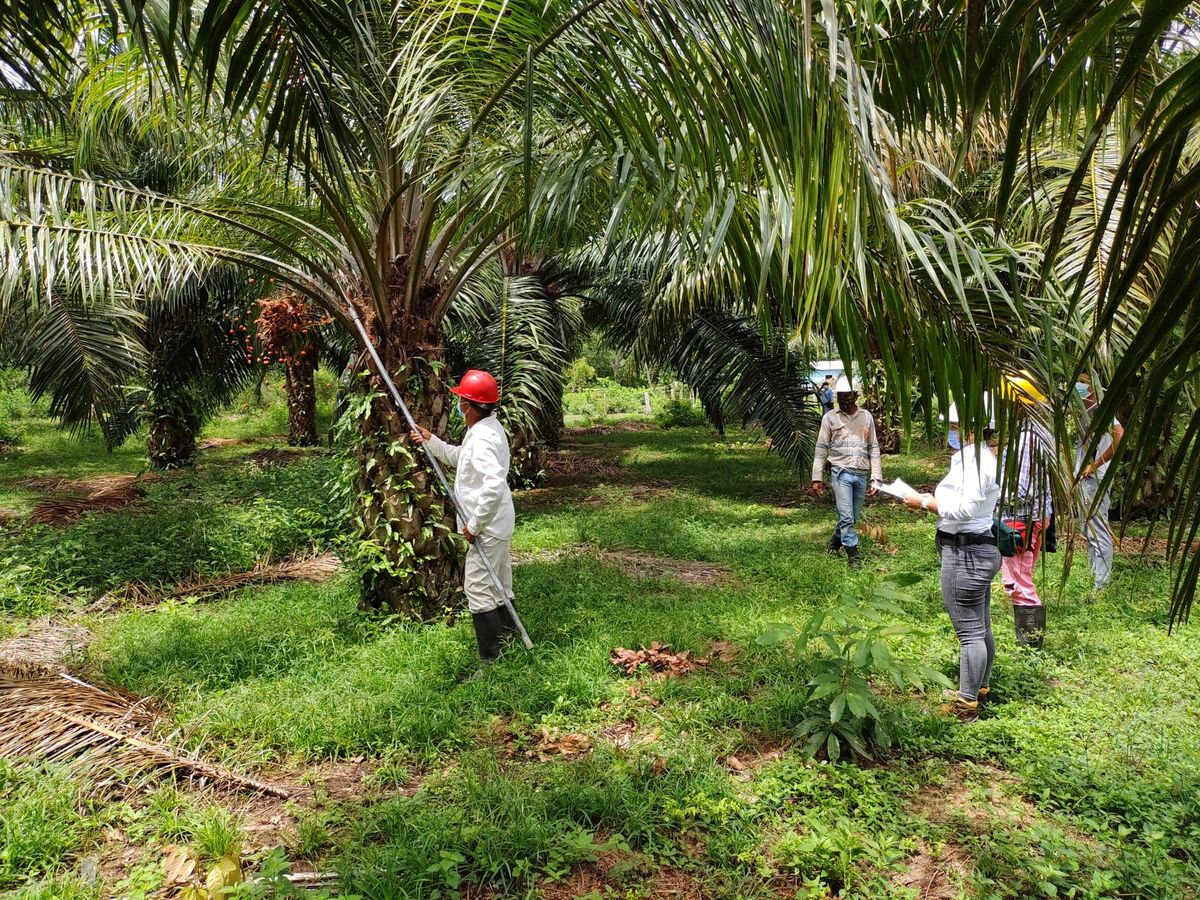
Malaysia's SD Guthrie Berhad has released its Sustainability Report 2025, marking a significant milestone as the Group’s first sustainability report prepared in accordance with the International Sustainability Standards Board (ISSB) framework, including IFRS S1 and IFRS S2. The report covers the financial year ended 31 December 2025 and reflects the company’s efforts to align sustainability disclosures more closely with investor-focused reporting expectations while strengthening transparency around climate, nature, and social risks.
As one of the world’s largest producers of certified sustainable palm oil, accounting for approximately 12% of global certified sustainable palm oil supply, SD Guthrie’s disclosures provide an important indicator of how large agricultural commodity producers are responding to rising stakeholder expectations, evolving regulations, and increasing scrutiny over deforestation, climate transition, and human rights performance. The report is particularly notable for its integration of sustainability-related risks into enterprise risk management, governance, and long-term business strategy.
Key Sustainability Themes and Disclosures
Climate transition remains a central pillar of SD Guthrie’s sustainability strategy. Under its “Beyond Zero” framework, the Group reported a 30% reduction in net Scope 1 and Scope 2 emissions compared with its 2020 baseline. The company continues to pursue its net-zero ambition across the value chain by 2050 and remains one of the first companies in the palm oil sector to secure Science Based Targets initiative (SBTi) approval for its climate targets. These disclosures suggest increasing climate governance maturity and a more structured approach to decarbonisation planning.
The report also demonstrates progress in supply chain sustainability and responsible sourcing. SD Guthrie disclosed that 89% of palm-based raw materials are now sourced from deforestation-free origins, while achieving 98% Traceability to Mill and 90% Traceability to Plantation across palm-based raw materials. Although these figures indicate substantial progress, they also highlight remaining gaps before full supply chain traceability and deforestation-free sourcing are achieved. This may become increasingly important as regulations such as the European Union Deforestation Regulation (EUDR) continue to reshape market access requirements.
Nature-related disclosures have expanded significantly. The company has developed a Biodiversity Conservation Plan and committed to conserving and restoring more than 100,000 hectares by 2030. By the end of 2025, SD Guthrie reported that 51,212 hectares had already been protected or restored across its operations and surrounding landscapes. The report also references alignment with the Taskforce on Nature-related Financial Disclosures (TNFD), indicating a growing recognition that biodiversity and ecosystem resilience represent financially material business issues rather than purely environmental concerns.
A notable development is the company’s entry into regenerative agriculture. During 2025, SD Guthrie developed a Regenerative Agriculture Framework and announced pilot implementation beginning in 2026. While still at an early stage, this initiative may indicate a broader strategic shift from compliance-driven sustainability toward outcome-focused land management practices that aim to improve soil health, biodiversity, climate resilience, and long-term agricultural productivity.
On social issues, the report places significant emphasis on labour rights, worker protection, and ethical recruitment. SD Guthrie reported that 100% of workers have access to grievance mechanisms and that 99% of worker grievance cases logged since 2022 have been resolved. The company also disclosed that 99% of allegations relating to recruitment fee payments have been resolved and reported a very low incidence of recruitment-related allegations among newly arrived migrant workers. These disclosures suggest continued investment in addressing one of the most closely scrutinised social risks facing the palm oil industry.
The company also highlighted community and smallholder development programmes, reporting that nearly 38,000 smallholders have benefited from sustainability-related initiatives since 2024. This reflects recognition that supply chain resilience and sustainability outcomes depend increasingly on broader ecosystem engagement beyond direct operations.
Governance and Strategic Signals
Governance disclosures suggest that sustainability is becoming increasingly embedded within SD Guthrie’s strategic decision-making processes. The Board retains ultimate responsibility for sustainability oversight, supported by a dedicated Sustainability Committee and executive-level governance structures. Sustainability-related risks and opportunities are integrated into enterprise risk management processes and are assessed using formal financial materiality criteria consistent with ISSB requirements.
The company also disclosed that sustainability-linked performance indicators influence executive remuneration, with 100% of top management rewards linked to sustainability performance in 2025. This represents a strong accountability mechanism and suggests that sustainability outcomes are increasingly tied to management incentives rather than being treated as standalone reporting obligations.
Independent assurance over greenhouse gas disclosures further strengthens the credibility of reported climate performance. Combined with the adoption of IFRS S1 and S2, these measures position SD Guthrie among the more advanced sustainability reporters within the agricultural sector.
What This Report Suggests About Future Direction
The report suggests SD Guthrie is preparing for a future where climate, nature, and human rights considerations are increasingly integrated into market access, financing, and corporate valuation decisions. The company appears to be positioning itself to respond to emerging regulatory requirements, investor expectations, and customer demands through stronger traceability systems, climate governance, biodiversity management, and sustainability-linked financing mechanisms.
Future priorities are likely to include accelerating progress toward full deforestation-free sourcing, expanding regenerative agriculture initiatives, strengthening Scope 3 emissions management, and scaling nature-related disclosures. Continued investment in smallholder inclusion and labour rights programmes may also become increasingly important as social performance remains a key area of stakeholder scrutiny across agricultural supply chains.
Pacifica ESG View
SD Guthrie’s 2025 Sustainability Report signals a shift from traditional ESG reporting toward more financially integrated sustainability disclosure. Adoption of ISSB standards, expanded climate and nature-related risk management, sustainability-linked financing, and stronger governance mechanisms suggest a company preparing for increasingly demanding sustainability expectations. Stakeholders should monitor progress toward full deforestation-free sourcing, implementation of regenerative agriculture programmes, biodiversity restoration outcomes, and the company’s ability to translate climate and nature commitments into measurable long-term business performance.