Malaysia’s Hong Leong Bank Sustainability Report 2025 Signals Growth in Sustainable Finance, Climate Readiness and Inclusive Banking
Hong Leong Bank’s Sustainability Report 2025 highlights RM20.1 billion in sustainable financing, a 27% reduction in operational emissions from its FY2019 baseline, and growing integration of climate risk, financed emissions, and financial inclusion into its long-term strategy.
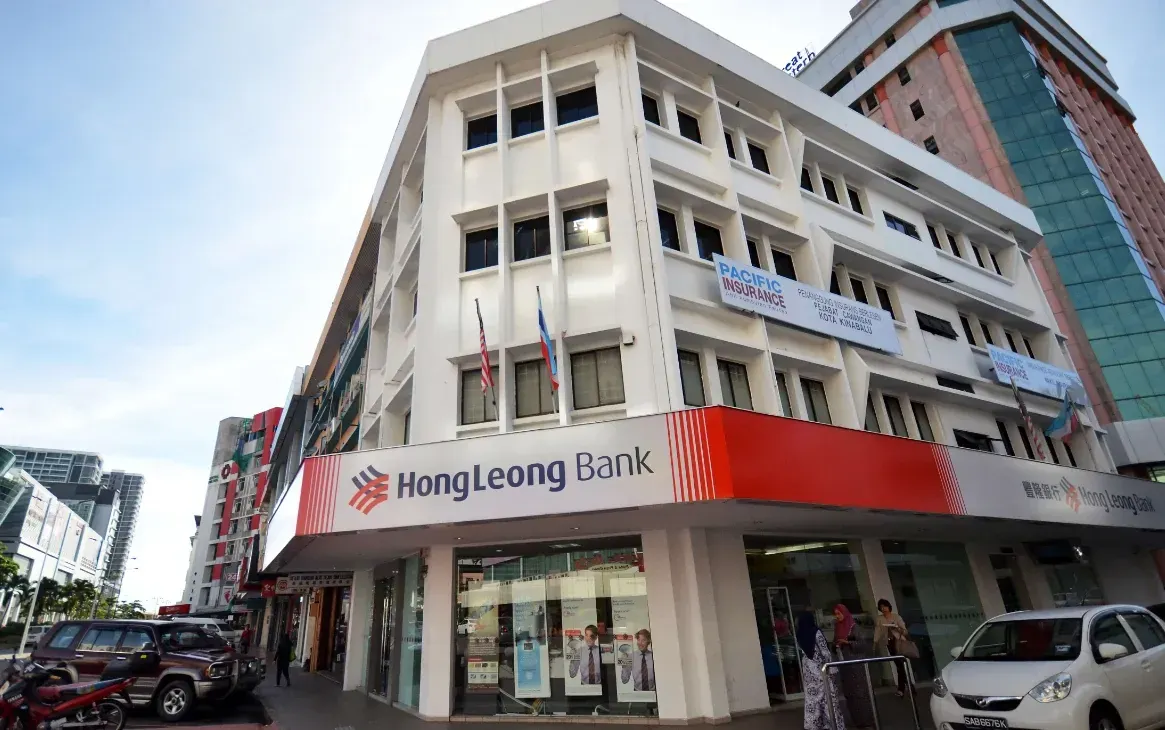
Hong Leong Bank Berhad (HLB) has released its Sustainability Report 2025, covering the financial year from 1 July 2024 to 30 June 2025. The report spans HLB and Hong Leong Islamic Bank operations across Malaysia, Singapore, Hong Kong, Vietnam, and Cambodia, and represents the Bank’s ninth sustainability report. The disclosure aligns with Bursa Malaysia’s Sustainability Reporting Guide, GRI Standards, IFRS S1 and S2, SASB Standards, TCFD, PCAF, and the United Nations Sustainable Development Goals.
The report is particularly significant as Malaysia moves towards mandatory ISSB-aligned sustainability reporting under the National Sustainability Reporting Framework (NSRF). HLB highlights its intention to achieve full ISSB compliance by FY2028 and demonstrates early adoption of IFRS S1 and IFRS S2 disclosures. This positions the Bank within a broader transition occurring across Southeast Asia’s financial sector as climate risk, financed emissions, and sustainability governance become increasingly integrated into banking supervision and capital allocation decisions.
Key Sustainability Themes and Disclosures
A major theme throughout the report is sustainable finance and climate transition. In October 2024, HLB launched its Sustainable Finance Framework (SFF), committing RM20 billion in sustainable financing over five years. By June 2025, the Bank had already mobilised RM4.5 billion, exceeding its first-year target by 33%, while its total outstanding sustainable financing portfolio reached RM20.1 billion, representing 18% growth year-on-year. These figures suggest sustainability-linked lending is increasingly becoming a core business opportunity rather than a niche product offering.
The report also demonstrates progress on operational decarbonisation. HLB reported a 27% reduction in Scope 1 and Scope 2 emissions from its FY2019 baseline, exceeding the trajectory required to achieve its FY2026 reduction target of 15%–25%. The Bank has established a goal to achieve Net Zero Scope 1 and Scope 2 emissions for Malaysian operations by FY2030 while simultaneously expanding its financed emissions measurement programme using the Partnership for Carbon Accounting Financials (PCAF) methodology.
Unlike many financial institutions that focus primarily on operational emissions, HLB places increasing emphasis on financed emissions. During FY2025, the Bank expanded emissions baseline development across motor vehicle loans, residential mortgages, commercial real estate, project finance, listed equities, and corporate bonds. This reflects growing recognition that the most material climate impacts for banks originate from lending and investment portfolios rather than direct operations.
Environmental stewardship extends beyond carbon management. The report highlights biodiversity and ecosystem restoration initiatives, including mangrove rehabilitation programmes with the Malaysian Nature Society and reforestation projects in Malaysia and Vietnam. These initiatives suggest growing awareness of nature-related risks and opportunities, a theme increasingly reflected in global frameworks such as TNFD.
From a social perspective, financial inclusion remains a defining pillar of HLB’s sustainability strategy. The Bank conducted 133 financial literacy workshops reaching more than 19,000 participants during FY2025. Through programmes such as HLB DuitSmart, HLB Jumpstart, LaunchPad, and participation in Bank Negara Malaysia’s iTEKAD initiative, the Bank continues to support underserved communities, micro-entrepreneurs, social enterprises, and low-income households.
Employee development also remains a priority. The Bank recorded 660,697 training hours during the reporting year, equivalent to 82 training hours per employee. Employee wellbeing and workplace safety indicators remained stable, with zero work-related fatalities reported. These disclosures indicate ongoing investment in workforce capability as digitalisation and sustainability requirements reshape banking operations.
On governance and digital responsibility, HLB reported zero material data breach incidents during FY2025. Given the increasing importance of cybersecurity and customer trust within financial services, maintaining strong data governance controls remains a significant component of the Bank’s ESG profile. Anti-bribery and anti-corruption training also continued to receive attention, with more than 8,000 employees and 256 contract staff completing mandatory training programmes.
Governance and Strategic Signals
The report demonstrates a relatively mature sustainability governance framework. Sustainability oversight is embedded at Board level through the Board Risk Management Committee, supported by a Sustainability Committee chaired by the Chief Financial Officer and comprising senior executives from key business and support functions. Sustainability-related performance indicators have also been incorporated into senior management scorecards, creating accountability mechanisms beyond disclosure alone.
Climate risk management appears increasingly integrated into enterprise risk management processes. During FY2025, HLB completed its inaugural Bank Negara Malaysia Climate Risk Stress Testing exercise and incorporated climate-related risks into its Risk Appetite Statement. This reflects a broader shift across the banking sector, where climate risk is being treated alongside traditional credit, market, and operational risks.
The Bank’s participation in industry collaborations including PCAF, JC3, VBI Community of Practitioners, and climate-related regulatory initiatives further indicates active engagement with evolving sustainability expectations and financial sector transition pathways.
What This Report Suggests About Future Direction
The report suggests HLB is moving from foundational ESG implementation towards a more integrated sustainability strategy centred on sustainable finance, climate risk management, and stakeholder engagement. Future priorities are likely to include expanding financed emissions measurement, establishing sector-specific decarbonisation pathways, scaling sustainable finance products, and strengthening ISSB-aligned reporting capabilities.
The emphasis on financed emissions, climate stress testing, and sustainable finance mobilisation may indicate increasing alignment with emerging regulatory expectations and investor demands for transition planning. At the same time, the Bank’s continued focus on financial inclusion, community investment, and SME engagement suggests that social impact will remain closely connected to its business model.
As Malaysia advances its sustainability reporting framework and financial regulators place greater emphasis on climate resilience, HLB appears to be positioning itself as a regional financial institution capable of integrating sustainability considerations into lending, risk management, operations, and customer engagement.
Pacifica ESG View
Hong Leong Bank’s Sustainability Report 2025 highlights a financial institution increasingly focused on the intersection of sustainable finance, climate risk management, and inclusive growth. The launch of the RM20 billion Sustainable Finance Framework, progress towards Net Zero operational emissions, and expansion of financed emissions measurement represent important signals of ESG maturity. Stakeholders should monitor future disclosures relating to financed emissions baselines, sector decarbonisation targets, climate stress testing outcomes, and ISSB implementation as key indicators of the Bank’s long-term sustainability trajectory.