Hong Kong Matrix Holdings Limited 2025 ESG Report Analysis – Climate Performance, Supply Chain Accountability and Sustainability Challenges in the Global Toy Industry
excerpt less than 300 characters An in-depth analysis of Hong Kong's Matrix Holdings Limited 2025 ESG Report, examining climate performance, greenhouse gas emissions, supply chain accountability, employee safety, product responsibility, and sustainability challenges in the global toy industry.
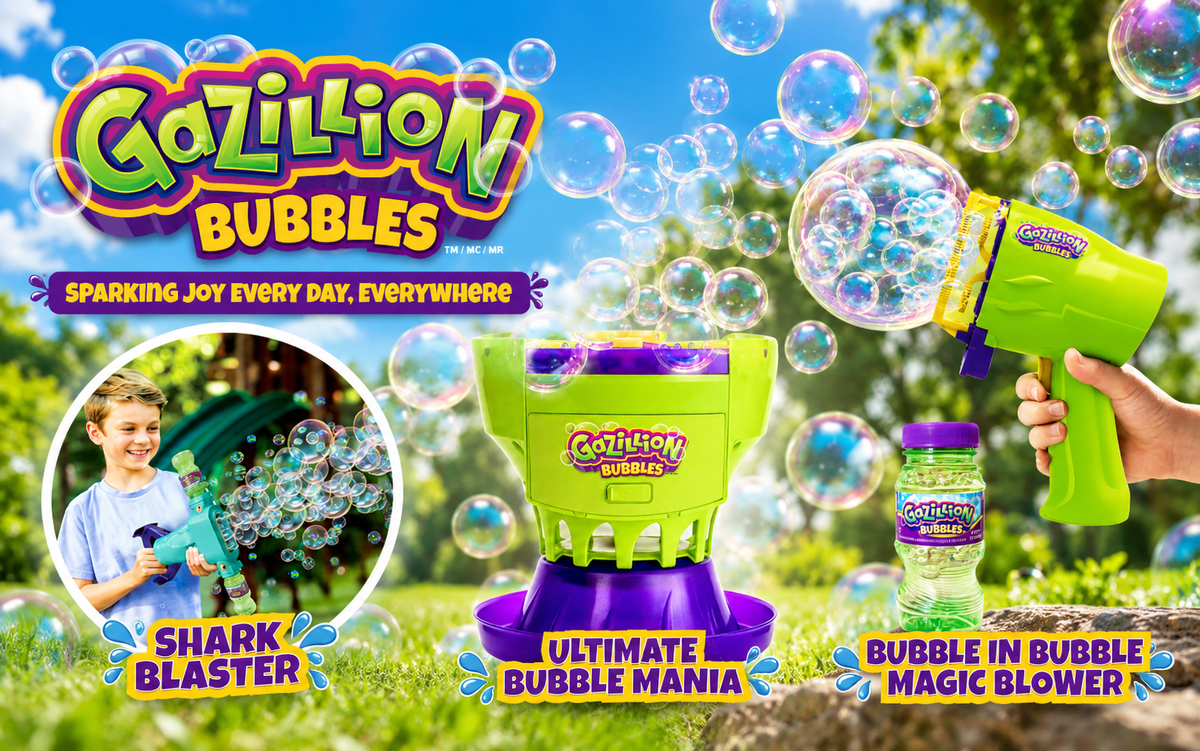
Matrix Holdings Limited (HKEX: 1005) is a Hong Kong-listed manufacturer specialising in plastic, die-cast and plush toys, alongside lighting products. Its vertically integrated operations encompass product design, mould making and manufacturing, with three production facilities in Da Nang, Vietnam. The Group also maintains an international commercial presence through businesses including Funrise and Shelcore, serving markets such as the United States, Europe, Canada and Australia.
The United States accounted for approximately 63% of Group revenue in 2025, making American consumer demand and trade policy especially significant to its operating outlook. Consolidated revenue increased by 5.8% to HK$483.2 million, while the loss attributable to shareholders narrowed to HK$163.6 million. Nevertheless, continued losses and liquidity constraints illustrate the financial pressures facing the business as it pursues longer-term sustainability commitments.
For Matrix, ESG is closely connected to manufacturing competitiveness. Plastics consumption, chemical management, product safety, employee welfare and energy efficiency represent direct operating issues rather than peripheral corporate responsibilities.
Reporting Background and Regulatory Context
Matrix's 2025 ESG Report covers the period from 1 January to 31 December 2025 and is incorporated into its annual report. It states that reporting generally encompasses the Company and its subsidiaries, principally including operations in Hong Kong, mainland China, the United States and Vietnam. The disclosures follow Hong Kong Exchanges and Clearing Limited's Appendix C2 ESG Reporting Code and reference the United Nations Sustainable Development Goals.
Hong Kong's enhanced climate disclosure framework, effective from 2025, draws substantially on IFRS S2 principles. This development shifts attention beyond historical environmental indicators towards climate governance, risk exposure, strategic resilience and decision-useful metrics. Matrix responds with dedicated climate governance, strategy, risk management and target disclosures, although important quantitative gaps remain.
European sustainability developments provide a wider reference point. The Corporate Sustainability Reporting Directive (CSRD) and European Sustainability Reporting Standards (ESRS), despite regulatory simplification in 2026, continue to influence expectations around materiality, value-chain information and sustainability data quality. Matrix's Hong Kong listing does not itself establish direct CSRD applicability, but European customers may seek comparable information through procurement and supplier assessment processes.
Governance Architecture and Accountability
Matrix reports that its Board of Directors has overall responsibility for ESG strategy, risk oversight and sustainability objectives. Implementation is supported by an ESG team and an Environmental, Health and Safety (EHS) Committee, with responsibilities extending to risk identification, internal controls, performance monitoring and progress reporting.
The structure indicates that sustainability oversight has been formally integrated into corporate governance rather than assigned solely to operational functions. The Board also reviews key ESG issues, stakeholder engagement and relevant disclosures. However, the report provides limited measurable evidence of how ESG performance influences executive remuneration, capital allocation or individual management accountability.
Governance effectiveness must also be assessed alongside financial resilience. The audited financial statements identify a material uncertainty relating to going concern, including HK$60.4 million in operating cash outflows and substantial financing obligations. This is material to sustainability analysis because liquidity constraints can affect the timing and feasibility of environmental investments, technology upgrades and workforce initiatives.
Materiality Approach and Risk Prioritisation
Matrix describes an annual materiality assessment involving issue identification, evaluation and prioritisation. Its materiality matrix considers stakeholder concern and business impact, with priority areas including climate change, emissions, waste, resource efficiency, green products, product safety, labour practices, employee well-being and supply chain management.
The range of topics is appropriate for a manufacturer exposed to chemical processes, international consumer safety standards and labour-intensive production. The inclusion of climate adaptation and responsible product stewardship reflects growing recognition that sustainability risk extends beyond direct environmental compliance.
The company describes its assessment as applying the principle of double materiality. However, its disclosed matrix primarily presents stakeholder concern against business impact, rather than separately demonstrating the assessment of impacts on people and the environment alongside financial risks and opportunities. Consequently, it should not automatically be regarded as equivalent to a fully documented ESRS-style double materiality assessment.
A more decision-useful approach would disclose assessment thresholds, stakeholder representation, financial-risk transmission pathways and the rationale for assigning individual topics to materiality categories.
Climate, Supply Chain and Social Dimensions
Environmental performance presents a mixed picture. Total reported greenhouse gas emissions increased from 12,160.93 tonnes CO₂e in 2024 to 13,474.10 tonnes in 2025. Purchased electricity accounted for approximately 99.69% of the reported emissions inventory, indicating that electricity procurement and operational energy efficiency are central to its disclosed decarbonisation profile.
Electricity consumption increased from 18.56 million kWh to 20.41 million kWh. Water consumption also increased from 78,850 m³ to 106,185 m³, while hazardous waste collected rose from 20,660 kg to 36,170 kg. These movements warrant attention, particularly because reported production weight declined over the same period.
The Group reports that International Renewable Energy Certificates (I-RECs) equivalent to 57% of electricity consumption were obtained during the year. It also describes LED deployment, smart meters, energy audits, robotic painting systems, improved chemical emissions treatment and reduced packaging material. These initiatives indicate operational activity, but should be assessed separately from demonstrated reductions in absolute environmental impacts.
The distinction between renewable electricity certificates and actual reductions in electricity consumption is especially important. Matrix's emissions reporting would be more informative if location-based and market-based Scope 2 figures, certificate accounting methodologies and residual electricity emissions were clearly reconciled.
Employment and Human Capital
Matrix disclosed approximately 2,188 employees at year-end, including around 2,032 full-time factory workers. Its employment policies address compensation, recruitment, equal opportunity, statutory benefits, training and prevention of forced and child labour. The concentration of manufacturing employment in Vietnam makes local labour conditions particularly relevant.
The Group describes document verification during recruitment, workplace inspections, internal audits and unannounced external audits intended to identify labour violations. It reported no identified incidents of child or forced labour during 2025. This is a positive reported outcome, although it does not independently establish that no labour-related risks exist.
As automation becomes increasingly important to manufacturing competitiveness, human-capital strategy should also address workforce transition. Training effectiveness, retention of technical employees, employee grievance mechanisms and the development of automation-related skills may become increasingly relevant indicators of organisational resilience.
Occupational Health and Safety
Occupational safety is particularly material for Matrix because its production activities involve machinery, painting processes, chemicals and potentially elevated noise exposure. The Group's EHS arrangements include protective equipment, occupational medical examinations, hazardous-material controls, noise management and workplace safety briefings.
Matrix reported zero work-related fatalities for 2023, 2024 and 2025. However, work injuries involving more than three days of absence increased from one case in 2024 to three cases in 2025. Lost working days attributable to injuries rose from 23 to 47 over the same period.
These figures demonstrate the importance of evaluating incident frequency and severity rather than relying exclusively on fatality statistics. The increase does not by itself prove systemic safety deterioration, but it warrants examination of root causes and corrective actions.
Future disclosures would benefit from standardised injury-frequency measures, near-miss reporting, contractor safety data and information on the effectiveness of engineering controls. Such indicators would better demonstrate whether the EHS system is preventing workplace incidents.
Product and Service Responsibility
Product responsibility is among Matrix's most commercially significant ESG considerations. Its toys are distributed internationally and are subject to demanding safety, chemical and quality requirements, particularly in the United States and European markets.
The Group reports ISO 9001-certified manufacturing facilities and in-house laboratories accredited to ISO/IEC 17025. It references testing against ASTM F963 and EN 71 toy safety requirements, alongside material-screening processes addressing RoHS, REACH and internal restricted-substance requirements.
Quality assurance includes incoming-material inspections, in-process audits and finished-product verification. Matrix reported no health- or safety-related product recalls in 2025 and no significant complaints concerning product quality or delivery. The company nevertheless acknowledged internally identified defect cases that required corrective action.
These controls are relevant to maintaining customer confidence and reducing regulatory and reputational exposure. Greater disclosure of testing volumes, defect rates, supplier non-conformities and corrective-action closure would make the reported quality management system more measurable.
Philanthropy and Community Investment
Matrix reported charitable donations of HK$33,000 in 2025, supporting social welfare and healthcare programmes for vulnerable households and children facing difficult circumstances. The Group also describes engagement with local stakeholders and community organisations.
Philanthropy has a clear connection to the toy industry's social role, particularly where initiatives support children's welfare. However, corporate donations should be distinguished from operational social responsibility, including workplace protections, fair employment and responsible supply chain practices.
The report does not provide sufficient detail to evaluate the number of beneficiaries, programme outcomes or longer-term social impact of its charitable contributions. A more structured community investment framework could introduce defined focus areas, outcome indicators and consistent year-on-year performance measurement.
Metrics, Targets and Data Robustness
Matrix has established three notable climate targets: reducing absolute Scope 2 emissions by 5% by 2030 against a 2020 baseline, increasing renewable electricity share to 15% by 2030, and reducing greenhouse gas emissions intensity per unit of production by 30% by 2030 against a 2025 baseline.
The targets provide a clearer medium-term direction than qualitative commitments alone. Nevertheless, the reported 57% renewable electricity certificate coverage in 2025 exceeds the stated 15% renewable electricity target for 2030, creating a need to clarify accounting definitions, target ambition and performance boundaries.
There is also a significant distinction between absolute and intensity performance. Matrix's reported production weight declined from approximately 11.97 million kg in 2024 to 8.19 million kg in 2025, while total reported emissions increased. Its reported emissions intensity per kilogram of production consequently rose from 0.0010 to 0.0016 tonnes CO₂e/kg.
The Group acknowledges that it has not disclosed a comprehensive Scope 3 inventory, citing applicable reporting reliefs. This represents an important limitation because upstream materials, plastics manufacturing, logistics and end-of-life product treatment may contribute materially to the broader footprint of toy products.
Assurance, Credibility and Comparability
Matrix references multiple management systems, certification programmes and social audit frameworks, including ISO 14001, FSC, ISCC, SMETA and the ICTI Ethical Toy Program. These provide potentially useful controls and external assessment mechanisms across environmental, quality and labour-related activities.
However, certification or social compliance auditing should not be confused with independent assurance over the entire ESG Report. The report does not establish that all its sustainability KPIs, greenhouse gas figures and climate targets have been independently assured to a clearly specified assurance standard.
This distinction matters because users need to understand which disclosures have been checked, the applicable criteria, the assurance provider's responsibilities and the level of assurance obtained. The financial statement audit is separate from assurance over non-financial sustainability information.
Stronger comparability would also require consistent operational boundaries, emissions calculation methodologies, renewable certificate accounting and transparent explanations of unusual year-on-year movements.
Strategic Implications for the Toy Manufacturing Sector
Matrix's disclosures illustrate sustainability challenges extending across the international toy manufacturing sector. Manufacturers face simultaneous pressure to maintain competitive pricing, meet consumer product safety requirements, manage volatile input costs and reduce environmental impacts associated with plastics and energy-intensive production.
Supply chain oversight is becoming especially important. Matrix reports approximately 700 suppliers, with 400 in Vietnam, 250 in Hong Kong and mainland China, and 50 elsewhere. During 2025, it conducted on-site audits covering 20% of suppliers, while approximately 1% were downgraded for failing to meet relevant requirements.
This represents a measurable supplier-monitoring programme, although the report provides limited detail about supplier risk segmentation, audit findings, remediation outcomes and the coverage of lower-tier suppliers. As buyers place greater emphasis on traceability and responsible sourcing, manufacturers may benefit from integrating supplier ESG performance into purchasing decisions.
A sector-wide opportunity lies in connecting safer product design, recycled or responsibly sourced materials, packaging reduction and measurable product-level environmental performance. These measures could support regulatory readiness and customer procurement requirements, but their commercial benefits would need to be demonstrated through credible product and operational data.
ESG Maturity and Future Positioning
Matrix's sustainability reporting demonstrates several characteristics of a developing ESG management system: Board-level oversight, a materiality process, environmental targets, supplier assessments, occupational safety controls and established product quality procedures. Its disclosures also acknowledge important implementation limitations.
However, maturity should be evaluated through performance as well as management structures. Rising absolute emissions, increased water consumption, higher hazardous waste generation and incomplete value-chain emissions disclosure indicate areas where existing programmes have not yet produced consistently improving reported outcomes.
Financial conditions introduce an additional constraint. Sustainability initiatives requiring substantial capital expenditure must be prioritised against liquidity management and operational restructuring. This may strengthen the case for investments with measurable resource-efficiency and cost-saving benefits, provided that expected outcomes are adequately substantiated.
The next stage of ESG development would logically involve clearer target definitions, better Scope 3 data, more detailed supplier remediation reporting, independently verified sustainability indicators and stronger links between ESG risks and financial decision-making.
Pacifica ESG View
Matrix Holdings' 2025 ESG disclosures demonstrate an established foundation in manufacturing compliance, product safety and sustainability governance. Its reported supplier audits, third-party certification frameworks and climate targets provide evidence of structured management activity.
However, environmental performance remains challenging. Rising emissions and resource consumption, combined with incomplete Scope 3 disclosure, limit the ability to assess overall decarbonisation progress. The company's material going-concern uncertainty also raises legitimate questions about the financial capacity to execute long-term initiatives.
The priority is therefore not simply expanding disclosure, but demonstrating measurable improvements, credible emissions accounting and stronger accountability between management actions and sustainability outcomes.
Implications for the Wider Market
Matrix provides a useful case study of the challenges faced by export-oriented Asian toy manufacturers. ESG expectations increasingly reach suppliers through product safety requirements, procurement assessments, sustainability data requests and international retail relationships.
For manufacturers, established certifications and management systems are valuable starting points but cannot substitute for comprehensive performance measurement. Buyers and investors will increasingly need to distinguish stated policies, externally assessed systems and independently assured outcomes.
The wider industry's progress will depend on whether companies can integrate safer materials, lower-impact production, worker protections and supply chain transparency into commercially viable operating models, while maintaining the financial resilience necessary to sustain improvement.