Bangkok Bank Signals Stronger Climate Risk Management and Sustainable Finance Ambitions
Bangkok Bank's latest Sustainability Report highlights advances in climate strategy, sustainable finance, cybersecurity, and governance, signalling continued progress in embedding ESG into its long-term business strategy.
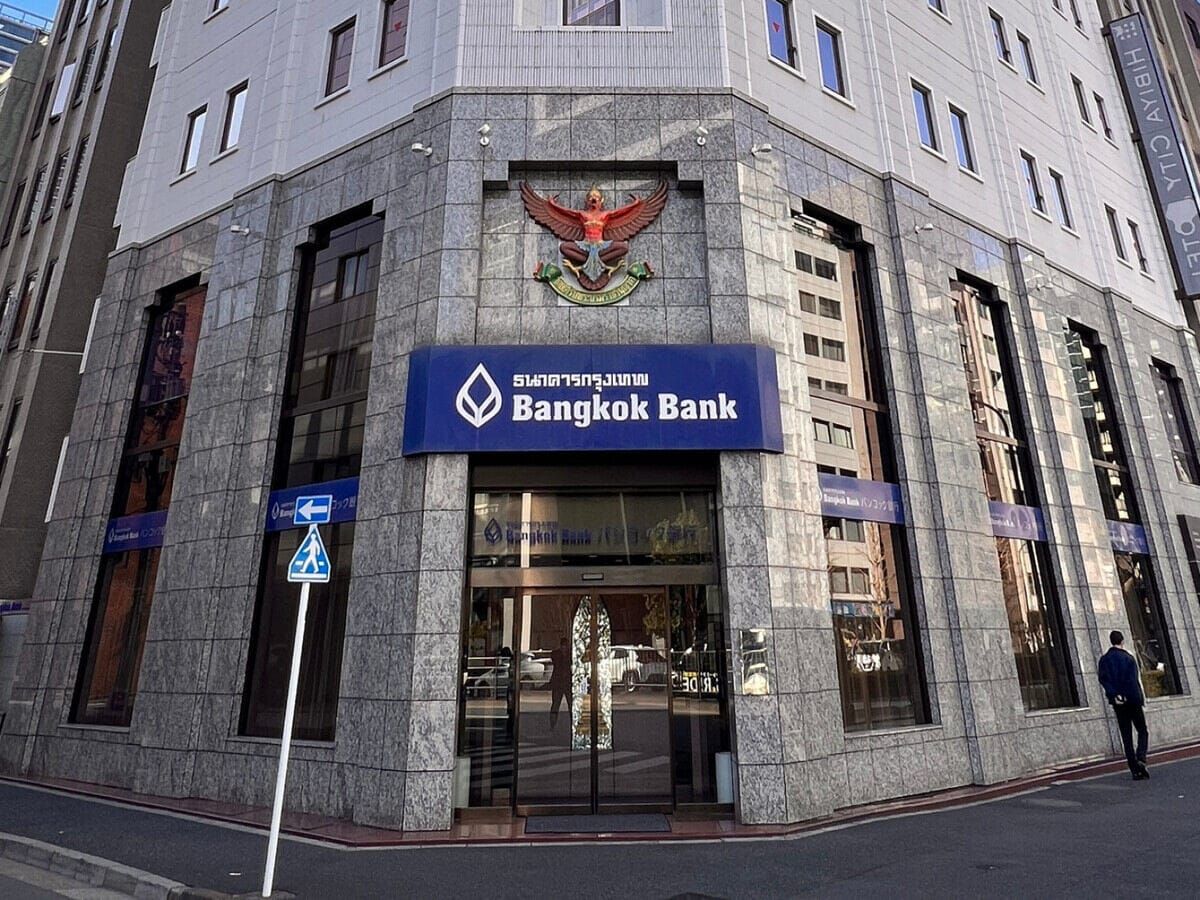
Bangkok Bank has released its 2025 Sustainability Report, outlining how Thailand's largest commercial bank is embedding environmental, social and governance (ESG) considerations into its long-term business strategy amid growing climate, regulatory and geopolitical challenges. Covering the 2025 reporting period, the report has been prepared in accordance with the GRI Standards (2021) and includes independent external assurance by LRQA on selected environmental and social disclosures, reinforcing the credibility of the Bank's reported performance.
A notable development in this year's report is the Bank's adoption of a comprehensive double materiality assessment. Rather than focusing solely on financial risks, Bangkok Bank evaluates both the impacts its business creates on society and the environment and the financial implications of sustainability issues for the organisation. This approach aligns the Bank more closely with emerging international reporting expectations and signals a broader shift towards integrating sustainability into enterprise-wide decision-making.
Environmental performance continues to centre on operational decarbonisation while recognising the banking sector's wider influence through financing activities. Bangkok Bank reaffirmed its commitment to achieving Net Zero emissions from its own operations (Scope 1 and Scope 2) by 2035 and Net Zero financed emissions by 2050. During 2025, the Bank exceeded several of its interim environmental targets, reducing Scope 1 emissions by 23.26% and Scope 2 emissions by 12.50% compared with its 2022 baseline, while energy consumption fell by 17.10% and water consumption declined by 5.24%. Waste diversion also improved, with landfill waste from the Bank's headquarters falling by 29.03% against the baseline.
The report also demonstrates continued investment in sustainable finance, reflecting the increasingly important role financial institutions play in supporting the transition to a lower-carbon economy. During the year, Bangkok Bank provided THB 19.5 billion in green financing for environmental transition projects and acted as underwriter for THB 52.5 billion of ESG bonds. The Bank complemented these financing activities with programmes supporting carbon footprint measurement, transition planning and financial literacy for businesses, suggesting sustainability is becoming a core commercial offering rather than a standalone corporate responsibility initiative.
On the social front, the report highlights continued investment in workforce capability, employee wellbeing and financial inclusion. Women now represent 55.3% of executives, while employees received an average of 50.93 hours of training during the year. Bangkok Bank also reported more than 98,000 employee volunteer hours supporting communities and environmental projects, alongside digital financial education initiatives reaching more than two million viewers. These disclosures suggest the Bank continues to strengthen both its internal human capital and its broader social licence to operate.
Customer trust and digital resilience remain prominent strategic priorities. Cybersecurity and personal data protection emerged as the Bank's highest-ranked material sustainability issue following its updated double materiality assessment, reflecting the increasing significance of digital banking risks. Bangkok Bank reported customer satisfaction scores exceeding 95 for branch services, more than 15 million mobile banking users, and recognition through Thailand's Cybersecurity Excellence Awards, indicating that digital resilience is increasingly viewed as both a governance issue and a competitive differentiator.
Governance disclosures indicate further integration of ESG into strategic oversight. Sustainability responsibilities extend from the Board of Directors through the Corporate Governance Committee and dedicated Sustainability Team, while ESG considerations are incorporated into enterprise risk management and strategic planning. The report also introduces financial crime prevention as a standalone material issue and emphasises anti-corruption, ethical conduct, market conduct and stakeholder engagement as core governance priorities. This expanded governance focus suggests Bangkok Bank is responding to evolving regulatory expectations and the growing importance of non-financial risk management across the financial sector.
Although operational emissions continue to decline, the report also illustrates the complexity of managing a financial institution's indirect environmental footprint. Scope 3 emissions associated with purchased goods and business travel remain material, while financed emissions continue to represent the Bank's most significant long-term climate challenge. The emphasis on transition finance, climate risk management and financed emissions therefore appears consistent with where investors and regulators are increasingly directing their attention.
Looking ahead, Bangkok Bank appears to be positioning itself for a financial landscape where sustainability increasingly influences lending decisions, capital allocation and customer expectations. Its stronger climate governance, measurable environmental targets, growing sustainable finance portfolio and enhanced ESG governance framework collectively suggest an institution moving beyond compliance towards integrating sustainability into long-term value creation.
Pacifica ESG View
Bangkok Bank's 2025 Sustainability Report signals a noticeable evolution from ESG reporting towards strategic sustainability management. The combination of double materiality, expanding sustainable finance, strengthened climate governance and independently assured disclosures demonstrates increasing organisational maturity. Going forward, stakeholders should monitor progress on financed emissions, climate transition financing, supply chain management and the continued integration of ESG into lending and risk management decisions.