Alibaba Strengthens AI-Driven Sustainability Strategy While Advancing Carbon Reduction and Social Inclusion
Alibaba’s 2025 ESG disclosures highlight progress in operational carbon reduction, and cloud-enabled decarbonisation. The company is also expanding responsible AI governance, digital inclusion and ecosystem-wide sustainability initiatives across commerce, logistics and cloud services.
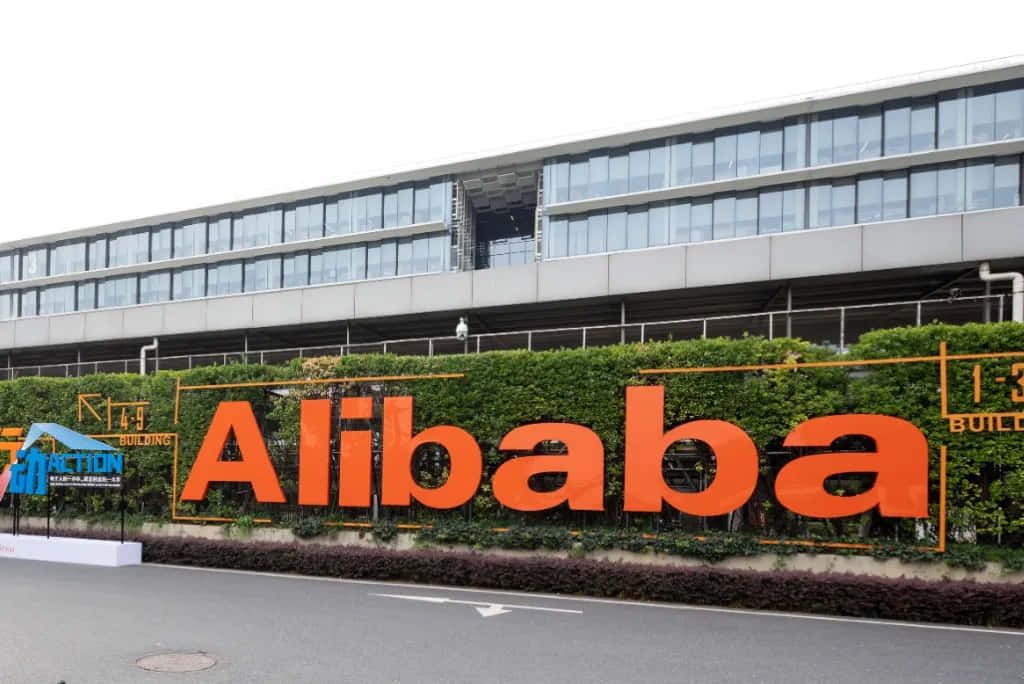
Alibaba Group has released its 2025 Environmental, Social and Governance (ESG) Report, covering the period from 1 April 2024 to 31 March 2025. The report was prepared in accordance with the Hong Kong Stock Exchange ESG Reporting Code and references international frameworks including GRI Standards, SASB Standards, IFRS Sustainability Disclosure Standards and the United Nations Sustainable Development Goals. The report also marks the first year Alibaba’s ESG report is published alongside its annual report, reflecting a stronger integration between sustainability and corporate strategy.
The disclosure is significant because Alibaba sits at the intersection of digital commerce, cloud computing, logistics and artificial intelligence. As AI infrastructure expands globally and regulators increasingly scrutinise climate, data governance and platform responsibility, Alibaba’s sustainability performance provides insight into how large technology companies are balancing growth with environmental and social expectations.
Key Sustainability Themes and Disclosures
Climate action remains a core pillar of Alibaba’s ESG strategy. The company reaffirmed its 2030 targets of achieving carbon neutrality across its own operations, reducing value-chain net emissions intensity by 50%, and enabling 1.5 billion tonnes of emissions reductions across its platform ecosystem. During FY2025, Alibaba reported operational net emissions of 2.395 million tonnes CO₂e, representing a 5.0% year-on-year reduction, while operational emission reductions increased by 24.7% to 2.028 million tonnes. Clean electricity usage rose to 52.2%, reflecting continued progress in decarbonising operations.
Cloud computing plays an increasingly important role in Alibaba’s environmental strategy. Alibaba Cloud reduced the average Power Usage Effectiveness (PUE) of its self-built data centres from 1.200 to 1.190 while increasing clean electricity usage to 64.0%. The company also improved efficiency in leased data centres and expanded low-carbon digital solutions for enterprise customers. Alibaba reported that cloud-enabled decarbonisation initiatives helped customers avoid approximately 11.19 million tonnes of emissions during the year.
The report also highlights progress in circular economy and resource efficiency initiatives. Cainiao reduced approximately 169,000 tonnes of packaging materials through packaging optimisation, reuse programmes and circular packaging solutions. More than 680 million parcels were delivered using original-box shipment methods, while water-use efficiency at Alibaba Cloud data centres improved through dedicated water management systems. These disclosures suggest that Alibaba is broadening its environmental focus beyond carbon management toward resource efficiency and operational resilience.
On the social dimension, Alibaba continues to position inclusion and accessibility as key priorities. Female employees accounted for 35.4% of the workforce, while more than 220,000 visually impaired users accessed services through the Taobao app. Amap provided over 100 million accessible navigation services, and Youku expanded its library of accessible audio-visual content to more than 9,000 titles. These initiatives demonstrate how digital platforms can contribute to broader social inclusion while strengthening user engagement.
The company also reported ongoing investments in employee wellbeing and talent development. More than 16,000 employees participated in AI-related learning programmes, reflecting the growing importance of workforce reskilling as AI adoption accelerates. Employee satisfaction with office environments reached 93.1%, while Alibaba continued to expand occupational health and safety programmes, including emergency response training and ISO 45001-certified workplaces.
Governance and Strategic Signals
Governance remains a central component of Alibaba’s ESG framework. The company operates a three-tier ESG governance structure consisting of the Sustainability Committee, Sustainability Steering Committee and dedicated ESG working groups. ESG risks are integrated into enterprise-wide risk management processes and overseen by the Board-level Compliance and Risk Committee. During FY2025, Alibaba introduced new ESG target management, climate risk management and carbon management policies to strengthen accountability and oversight.
The company also continues to enhance board independence and diversity. Independent directors account for 60% of board membership, while female directors represent 30% of the board. Governance transparency is further supported through extensive compliance training, with nearly 2,000 compliance and risk-awareness activities conducted during the reporting year. These developments suggest a maturing governance structure aligned with international investor expectations.
What This Report Suggests About Future Direction
Alibaba’s disclosures suggest that AI will increasingly shape both its business strategy and sustainability agenda. The company is positioning AI not only as a commercial growth engine but also as a tool for environmental efficiency, healthcare innovation and social inclusion. Continued investment in open-source AI models, cloud infrastructure and responsible AI governance may indicate a long-term strategy focused on combining technological leadership with societal impact.
The report also points toward a greater emphasis on ecosystem-wide sustainability outcomes. While operational emissions continue to decline, Alibaba appears increasingly focused on enabling emissions reductions among customers, merchants and platform participants. This direction of travel reflects a broader shift among technology companies from managing direct impacts to influencing value-chain sustainability performance.
Pacifica ESG View
Alibaba’s 2025 ESG disclosures highlight a company increasingly integrating sustainability into its digital ecosystem strategy. The strongest signals come from operational decarbonisation progress, cloud-enabled emissions reductions, responsible AI governance and inclusive digital services. Stakeholders should continue monitoring clean energy adoption, value-chain emissions intensity, AI governance practices and the scalability of ecosystem-wide sustainability initiatives as Alibaba advances toward its 2030 climate and social impact ambitions.