Treasury Wine Estates Advances Climate Resilience and Sustainable Wine Strategy in 2025 Sustainability Report
Treasury Wine Estates has released its 2025 “Cultivating a Brighter Future” sustainability report, highlighting progress in renewable electricity, climate resilience, water stewardship, and sustainable wine production across its global operations.
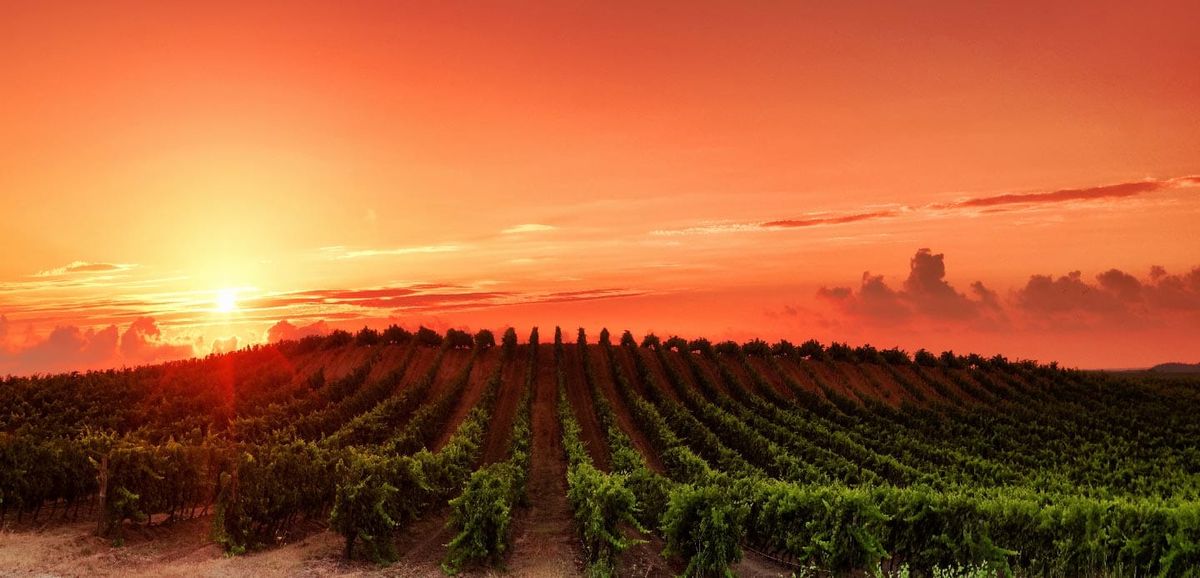
Australian wine producer Treasury Wine Estates has released its “Cultivating a Brighter Future Report 2025,” outlining a broad sustainability agenda centred on climate resilience, renewable energy, water stewardship, responsible consumption, and sustainable wine production. The report reflects how sustainability is becoming increasingly embedded into the company’s operational model, governance systems, and long-term business strategy.
Operating across more than 100 countries with approximately 10,000 hectares of vineyards and a portfolio spanning Penfolds, Treasury Americas, and Treasury Premium Brands, Treasury Wine Estates (TWE) faces growing exposure to climate volatility, agricultural risks, supply chain disruption, and changing consumer preferences. The report suggests the company is positioning sustainability not simply as compliance, but as a strategic framework to strengthen resilience and premium brand value across its global wine operations.
The company’s sustainability structure remains built around three pillars: building a resilient business, fostering healthy and inclusive communities, and producing sustainable wine. TWE also reaffirmed alignment with multiple global sustainability frameworks, including GRI, ISSB, TCFD, AASB S2, SASB, and the UN Sustainable Development Goals.
Key Sustainability Themes and Disclosures
One of the report’s most notable disclosures is TWE’s achievement of 100% renewable electricity across its global operations. Management stated the milestone was achieved through a combination of onsite solar installations, renewable energy certificates, and power purchase agreements, representing a major step toward its target of net zero scope 1 and 2 emissions by 2030.
Water stewardship also remains a major strategic priority given the agricultural nature of the wine industry and increasing climate-related water stress. The company disclosed that smart water meters have now been installed across 100% of vineyards, wineries, and packaging facilities located in high- and medium-risk catchments. TWE’s “Treasuring Water” strategy additionally includes dam lining and covering projects aimed at reducing evaporation and improving water efficiency across operations.
The report highlights substantial investment in innovation and climate adaptation. TWE deepened its collaboration with Australia’s national science agency CSIRO to develop climate-resilient grapevine rootstocks capable of improving mildew resistance and reducing vineyard inputs. The company also commissioned a world-first AU$15 million integrated automation system in the Barossa Valley designed to improve operational precision, efficiency, and worker safety.
Another major focus area is changing consumer behaviour and the rise of health-conscious consumption trends. TWE opened a dedicated no- and low-alcohol wine production facility in Barossa featuring a patent-pending dealcoholisation process intended to preserve flavour quality. The company framed this investment as part of its broader responsible drinking strategy and an effort to expand consumer choice as moderation trends continue to grow globally.
Social performance indicators also showed measurable progress. TWE reported a 40% reduction in its three-year rolling Serious Safety Incident Frequency Rate, exceeding its original 20% reduction target. Female representation in senior leadership rose to 48.4%, while overall female workforce representation increased to 45.2%. The company also recorded its highest employee inclusion score to date at 76%.
Governance and Strategic Signals
Governance and risk oversight appear to be strengthening as sustainability reporting requirements evolve globally. TWE disclosed that it established an ESG Reporting Steering Committee and updated Board oversight structures in preparation for mandatory Australian climate reporting standards from fiscal year 2026.
The company’s governance model includes direct oversight from the Board, Audit and Risk Committee, and Wine Operations and Sustainability Committee, which regularly reviews climate risk, renewable energy, sustainable packaging, AI and automation, water stewardship, and responsible supply chain practices.
Importantly, TWE acknowledged that approximately 95% of its emissions occur within its broader value chain, underlining the significance of supplier engagement and packaging decarbonisation initiatives moving forward. The report repeatedly references collaboration with growers, suppliers, regulators, and industry bodies, suggesting the company increasingly sees sustainability as a shared ecosystem challenge rather than an isolated corporate initiative.
What This Report Suggests About Future Direction
Treasury Wine Estates’ latest report suggests the company is positioning itself for a future where climate adaptation, agricultural resilience, resource efficiency, and changing consumer expectations become defining competitive factors within the global wine sector.
Its investment in renewable electricity, climate-resilient viticulture, smart water systems, automation, and no- and low-alcohol innovation indicates a broader transition toward a more technology-enabled and sustainability-oriented operating model. The company also appears to be preparing for rising regulatory expectations and investor scrutiny by strengthening governance, disclosure systems, and ESG data management capabilities.
Pacifica ESG View
Treasury Wine Estates’ 2025 report reflects a wine company increasingly treating sustainability as core business infrastructure rather than a standalone ESG program. Its combination of climate adaptation, operational technology, renewable energy, and responsible consumption initiatives positions the company to respond to both environmental pressures and evolving consumer trends. The long-term challenge will likely centre on managing agricultural climate risk while maintaining premium brand positioning and supply chain resilience across global markets.