Korea Aerospace Industries Signals Long-Term ESG Integration Through Climate Governance and Aerospace Innovation
Korea Aerospace Industries' 2025 Sustainability Report highlights stronger climate governance, renewable energy investment, ESG oversight and responsible innovation. The report suggests the aerospace manufacturer is preparing for tighter disclosure requirements and long-term sustainable growth.
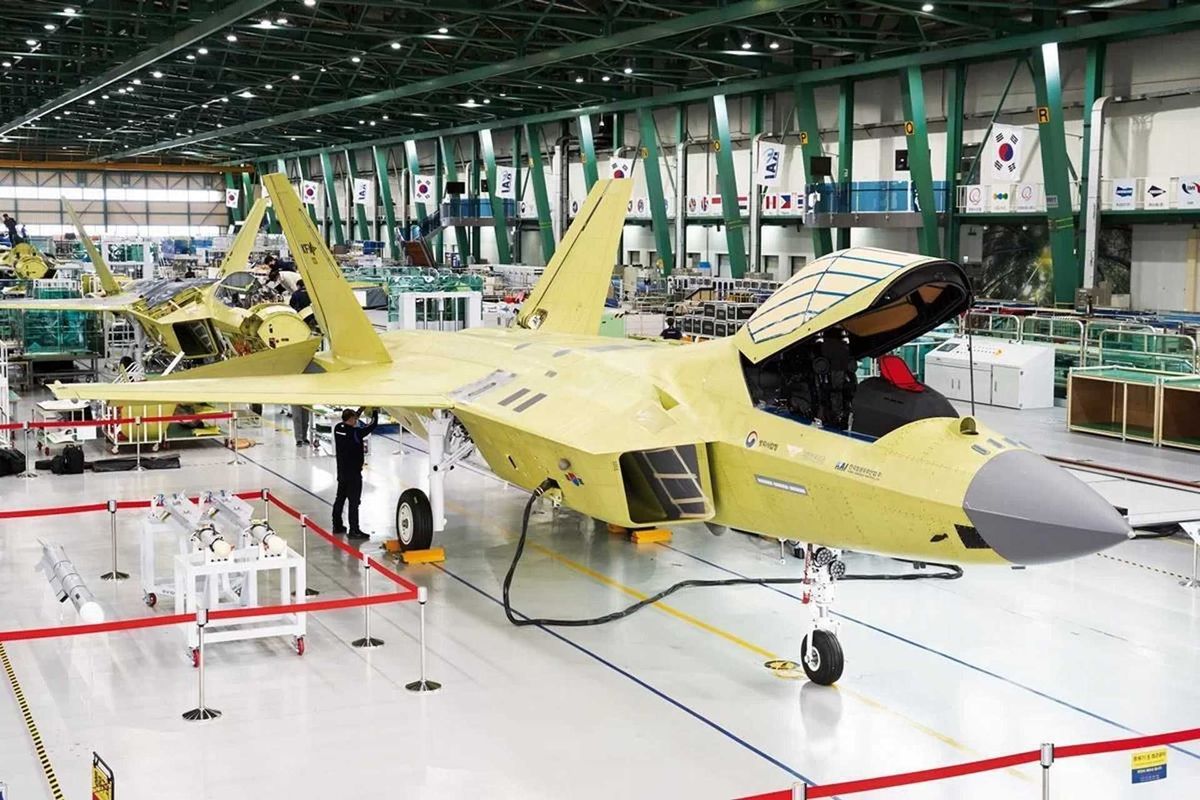
Korea Aerospace Industries (KAI) has published its 2025 Sustainability Report, covering sustainability performance during the 2024 financial year while also providing selected updates through the first half of 2025. The report has been prepared with reference to international reporting frameworks including the GRI Standards, TCFD recommendations and the Korea Sustainability Standards Board (KSSB) disclosure index, and includes independent assurance of non-financial information. As South Korea prepares for mandatory sustainability disclosure requirements, KAI's latest report demonstrates how one of the country's largest aerospace manufacturers is strengthening governance, climate management and responsible business practices ahead of evolving regulatory expectations.
Key Sustainability Themes and Disclosures
Climate strategy remains one of the report's strongest themes. KAI positions climate action as a strategic business issue rather than simply an environmental compliance exercise. The company has established a long-term ambition to reduce greenhouse gas emissions by 50% through clean energy technologies while expanding renewable energy use across its manufacturing facilities. The installation of rooftop solar power systems at its headquarters and plans to extend renewable energy generation across additional sites indicate that operational decarbonisation has become embedded within capital investment decisions rather than being treated as isolated sustainability projects.
The report also reflects increasing maturity in climate governance. KAI provides a dedicated TCFD section describing board oversight, management responsibilities, climate-related risk identification and strategic responses to both physical and transition risks. Rather than limiting disclosure to emissions data, the company discusses regulatory developments, emissions trading schemes, energy efficiency initiatives and emergency preparedness for extreme weather, suggesting a broader enterprise risk management approach to climate change. This aligns with growing investor expectations for climate governance beyond carbon accounting alone.
Beyond climate, KAI places considerable emphasis on sustainable technology development. Its strategy links future competitiveness with next-generation aerospace technologies including autonomous aerial vehicles, eco-friendly aircraft, electric propulsion, hydrogen technologies and advanced satellite capabilities. Although these initiatives remain largely strategic rather than performance-based disclosures, they demonstrate how sustainability is increasingly connected with long-term innovation and product development rather than operational efficiency alone.
On the social front, the report presents a broad view of workforce responsibility. Human rights management, occupational safety, quality management, cybersecurity, customer support and supply chain collaboration receive dedicated coverage. The company highlights internationally recognised management systems including ISO 37301 for compliance, ISO 27001 for information security and ISO 50001 for energy management, alongside initiatives supporting employee wellbeing, labour-management cooperation and supplier engagement. Community programmes, including support for Korean War veterans and broader corporate social responsibility activities, reinforce the company's effort to align social investment with its defence industry identity.
Governance disclosures also appear more comprehensive than previous reporting cycles. KAI continues strengthening shareholder rights, board independence and ethical management while expanding anti-corruption, compliance and enterprise risk management programmes. Improvements in external ESG ratings, including achieving an overall "A" rating from the Korea Institute of Corporate Governance and Sustainability (KCGS), suggest that governance reforms are increasingly being recognised externally, although investors will likely continue monitoring whether governance improvements translate into measurable long-term performance.
Governance and Strategic Signals
One of the strongest strategic signals emerging from the report is the institutionalisation of ESG governance. KAI's ESG Committee operates directly under the Board of Directors, consists entirely of independent directors and meets quarterly to oversee ESG strategy, climate-related risks and implementation progress. An ESG Working Council involving 35 teams across 17 departments further supports execution, illustrating an organisational structure that extends ESG accountability beyond a single sustainability function.
The report also suggests that KAI increasingly views sustainability as a competitiveness issue. Rather than presenting ESG solely through a compliance lens, the company connects climate resilience, technological innovation, supply chain responsibility, energy management and shareholder value creation within its long-term "Global KAI Beyond Aerospace" strategy. This integrated positioning may indicate growing readiness for future sustainability disclosure requirements while strengthening relationships with international customers operating under increasingly stringent ESG expectations.
What This Report Suggests About Future Direction
Looking ahead, KAI appears to be positioning sustainability as a foundation for long-term industrial transformation. Continued investment in renewable energy, carbon reduction initiatives, advanced aerospace technologies and ESG data management may indicate that the company is preparing for more rigorous sustainability reporting requirements under emerging Korean and international standards. The report also suggests greater attention will likely be directed towards supply chain due diligence, Scope 3 greenhouse gas management and climate-related disclosure as stakeholder expectations continue to evolve.
For investors and business partners, the combination of climate governance, certified management systems and innovation-oriented sustainability strategy may strengthen confidence in KAI's long-term resilience. At the same time, future reports would benefit from more quantitative disclosure on Scope 3 emissions, biodiversity impacts, measurable social performance outcomes and science-based environmental targets to further demonstrate implementation progress beyond governance structures.
Pacifica ESG View
KAI's 2025 Sustainability Report signals an organisation moving beyond ESG policy development towards more structured governance and strategic integration. Climate oversight, board accountability and clean technology investment are emerging as core strengths, while stronger disclosure on value chain emissions, measurable transition progress and social impact performance will be important indicators to monitor as reporting expectations continue to mature.