Indofood CBP Signals Stronger Climate and Supply Chain Focus in 2025 Sustainability Report
Indofood CBP has released its 2025 Sustainability Report, highlighting progress in climate action, responsible sourcing, packaging circularity, healthier products, and ESG governance across its regional food and supply chain operations.
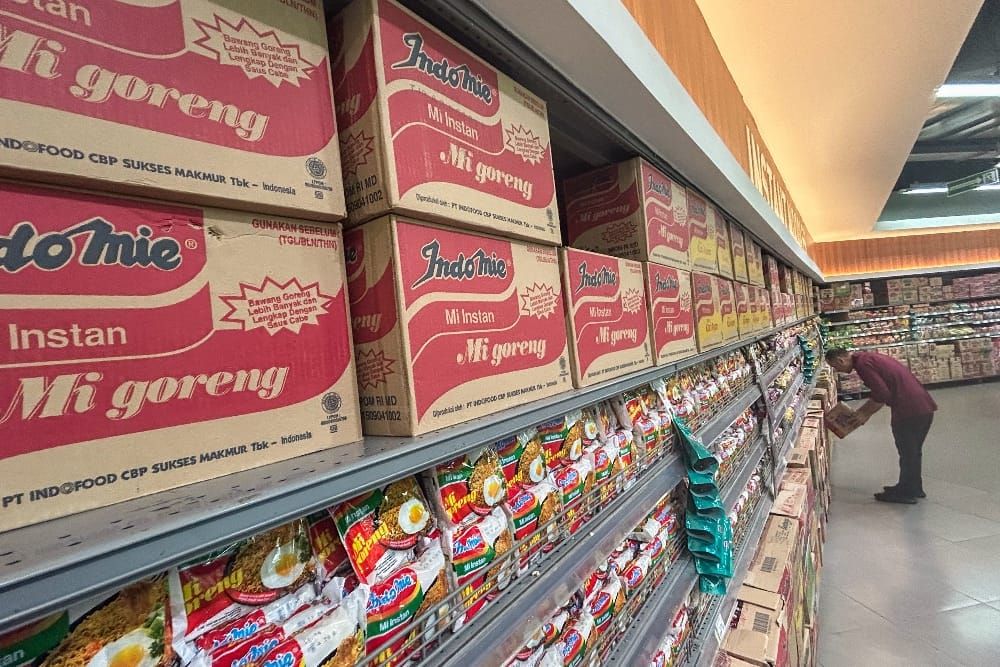
Indonesian consumer goods giant Indofood CBP Sukses Makmur Tbk (ICBP) has released its 2025 Sustainability Report, outlining how the company is integrating climate resilience, responsible sourcing, nutrition improvement, and operational efficiency into its long-term business strategy. Released under the theme “Fueling Growth, Shaping a Sustainable Future,” the report reflects a company increasingly framing sustainability as both a risk management mechanism and a platform for future growth.
As one of Southeast Asia’s largest food manufacturers, ICBP’s sustainability direction carries significance beyond Indonesia. The company operates more than 60 production facilities domestically and over 20 overseas manufacturing sites across regions including Africa, the Middle East, and Southeastern Europe, while exporting products to more than 100 countries. This scale means its approach to emissions, sourcing, packaging, and nutrition has growing implications for regional food systems and supply chains.
The report also signals a more mature ESG reporting approach. ICBP aligned disclosures with GRI Standards, SDGs, TCFD recommendations, and indicated gradual preparation toward future IFRS Sustainability Disclosure Standards. The inclusion of limited assurance under ISAE 3000 by an independent verifier further reflects rising expectations for ESG data credibility within Asian capital markets.
Key Sustainability Themes and Disclosures
A central theme throughout the report is climate resilience and operational decarbonization. ICBP disclosed a 30.3% reduction in Scope 1 and 2 emissions intensity compared with its 2018 baseline, alongside a 13.3% reduction in energy intensity and a 12.4% reduction in water intensity. These improvements suggest continued investment in operational efficiency and resource management across manufacturing activities.
Importantly, the company also acknowledged the growing importance of Scope 3 emissions and value chain decarbonization. Management stated that climate considerations have been integrated into Enterprise Risk Management (ERM), while the company continues developing its Scope 3 inventory and expanding climate action into upstream and downstream operations. This is a notable signal for a regional FMCG company whose environmental footprint is heavily connected to agriculture, packaging, logistics, and consumer demand patterns.
ICBP also emphasized circular economy and responsible sourcing initiatives. The report states that 100% of cartons produced internally are made from recycled paper material, while packaging paper used in corrugated products is FSC or PEFC certified. The company further disclosed that refined palm oil sourced through the Indofood Group is ISPO-certified, while supplier guidelines now increasingly incorporate environmental and social criteria.
Nutrition and food accessibility remain another defining ESG pillar. The company continued expanding its “Healthier Choice” product portfolio, with 64 products now carrying Indonesia’s “Healthier Choice” logo for lower sugar, salt, or fat content within their product categories. Combined with its nutrition outreach initiatives targeting pregnant mothers, children, and community health posts, this positions ICBP within the broader regional shift toward preventive health and better nutrition outcomes.
The report also reflects the company’s large socio-economic footprint. ICBP disclosed partnerships with more than 32,000 farmers and dairy producers across its supply chain and continued monitoring of approximately 28,000 “Warmindo” small noodle food stalls. These disclosures reinforce how deeply embedded the company is within Indonesia’s informal food economy and agricultural ecosystem.
Governance and Strategic Signals
Governance and sustainability oversight appear to be moving closer to the company’s strategic core. The report states that the Board of Directors directly oversees sustainability matters, including climate and broader ESG considerations. This reflects a growing recognition among large Asian consumer companies that ESG risks increasingly intersect with operational resilience, commodity sourcing, regulatory exposure, and investor expectations.
ICBP’s continued inclusion in sustainability-focused indices such as the SRI KEHATI Index, ESG Quality 45 IDX KEHATI Index, and IDX LQ45 Low Carbon Leaders Index suggests the company is strengthening its ESG positioning within Indonesian capital markets. While ESG ratings alone do not determine sustainability quality, repeated recognition may improve investor confidence and reinforce the company’s standing among regional institutional investors.
Financially, the company reported net sales of IDR 74.85 trillion and operating profit of IDR 16.66 trillion in 2025, reflecting continued business scale and profitability alongside ESG integration efforts. This alignment between sustainability investment and financial performance is increasingly important as FMCG companies face pressure to balance affordability, supply chain resilience, and environmental commitments.
What This Report Suggests About Future Direction
ICBP’s 2025 Sustainability Report suggests the company is evolving from a traditional consumer goods manufacturer into a more resilience-oriented and sustainability-integrated food business. Its emphasis on value chain decarbonization, responsible sourcing, nutrition improvement, and climate-linked governance indicates a broader strategic repositioning rather than isolated ESG initiatives.
The company also appears to be preparing for a future where sustainability disclosure standards, supply chain scrutiny, and climate-related expectations become significantly more demanding across Asia. As regulatory frameworks mature and international buyers intensify ESG due diligence requirements, companies with established governance systems and measurable environmental targets may be better positioned to navigate future market shifts.
Pacifica ESG View
ICBP’s latest report reflects a company increasingly treating sustainability as a strategic operating framework rather than a standalone reporting exercise. Its growing focus on Scope 3 emissions, supply chain engagement, packaging circularity, and nutrition aligns closely with the direction global food and FMCG sectors are heading. The next phase will likely depend on how effectively the company converts operational progress into measurable long-term climate and value chain outcomes.