Bursa Malaysia Signals Stronger Market Leadership Through ISSB Adoption and Sustainable Finance Innovation
Bursa Malaysia's 2025 Sustainability Report highlights stronger ISSB leadership, sustainable finance innovation and measurable climate progress. The Exchange is positioning Malaysia's capital market for greater transparency, responsible investment and long-term resilience.
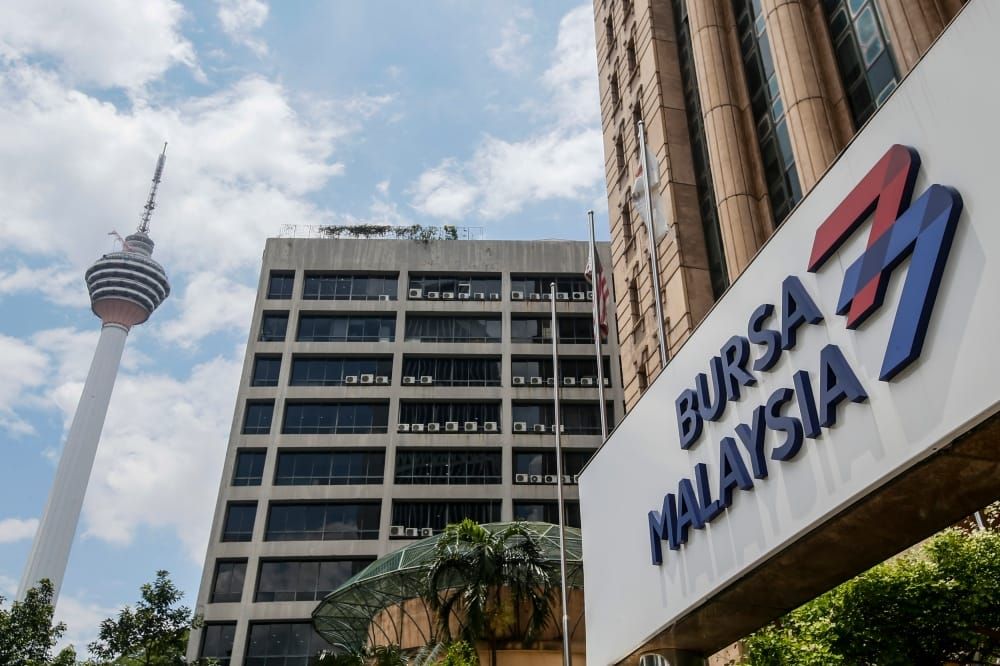
Bursa Malaysia has published its Sustainability Report 2025, covering the period from 1 January to 31 December 2025. Now in its fifteenth edition, the report is prepared with reference to globally recognised frameworks including the GRI Standards 2021, IFRS Sustainability Disclosure Standards (IFRS S1 and S2), SASB, the World Federation of Exchanges Sustainability Principles, the Malaysian Code on Corporate Governance and the Science Based Targets initiative (SBTi). The report is complemented by Bursa Malaysia's inaugural ISSB Sustainability Statement and selected sustainability indicators have been independently verified by Bureau Veritas under a limited assurance engagement. This year's report is particularly significant because it reflects the Exchange's dual role as both a listed company and the regulator of Malaysia's capital market, while demonstrating leadership as Malaysia begins implementing mandatory ISSB-aligned sustainability reporting.
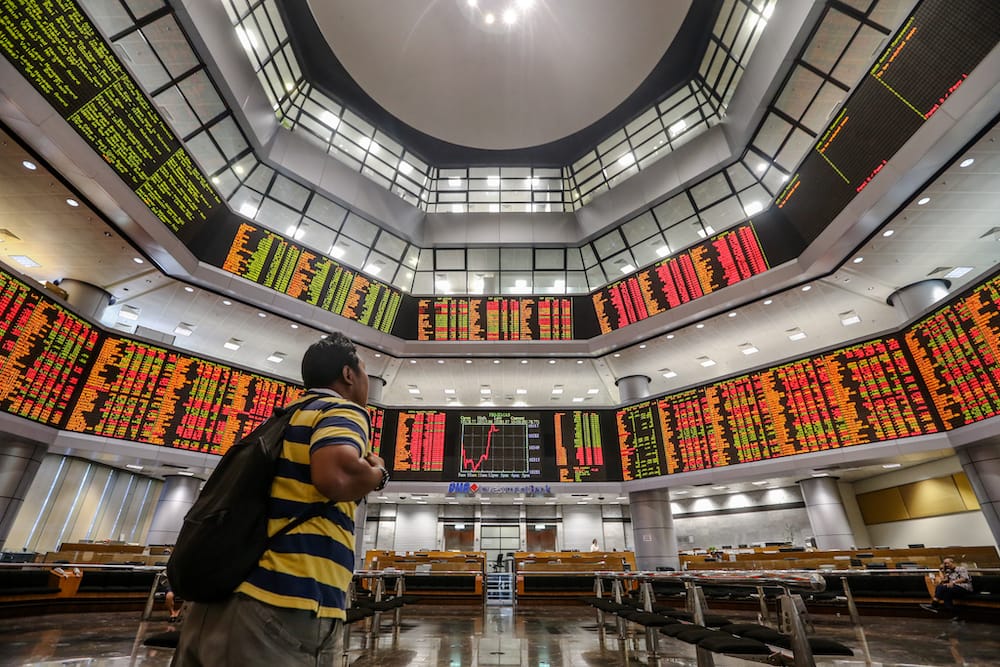
Key Sustainability Themes and Disclosures
Unlike many corporate sustainability reports that focus primarily on operational impacts, Bursa Malaysia's report positions sustainability as a market development strategy. The Exchange continues to strengthen Malaysia's sustainability ecosystem by expanding ESG disclosure capabilities, launching new sustainable finance products and supporting listed companies in adopting ISSB Standards. Throughout 2025, Bursa Malaysia introduced the Sustainability Accelerator Programme, expanded the FTSE4Good ESG assessment universe to all Main and ACE Market companies, designated its Centralised Sustainability Intelligence (CSI) Solution as the sustainability reporting platform for listed companies and advanced regional ESG data harmonisation through the ASEAN Interconnected Sustainability Ecosystem initiative. These developments suggest the Exchange increasingly views sustainability infrastructure as a competitive advantage for Malaysia's capital market rather than merely a compliance obligation.
Climate action also remains a core strategic priority. Bursa Malaysia reports a 21.3% reduction in Scope 1 and Scope 2 greenhouse gas emissions and a 22.8% reduction in Scope 3 emissions compared with its 2022 baseline, supporting its Science Based Targets initiative commitment. The reductions were achieved through rooftop solar photovoltaic installations, renewable energy certificate purchases and broader energy efficiency initiatives. The report also records lower water consumption and reduced waste generation, demonstrating measurable progress across operational environmental indicators while reinforcing the Exchange's credibility as it encourages listed companies to pursue similar decarbonisation pathways.
The report also highlights Bursa Malaysia's growing influence in sustainable finance. During the year, the Exchange launched Malaysia's first Sustainable and Responsible Investment-qualified FTSE4Good Bursa Malaysia ETF, expanded the Bursa Carbon Exchange through technology-based carbon credit auctions and continued promoting voluntary carbon markets via the ASEAN Common Carbon Framework. These initiatives extend Bursa Malaysia's sustainability role beyond corporate operations and position the Exchange as an active facilitator of capital allocation towards low-carbon economic activities.
On the social dimension, Bursa Malaysia maintains a strong emphasis on employee development, ethics and community investment. Average employee learning hours increased significantly to 30.6 hours per employee, while the organisation reported zero workplace fatalities and zero reported workplace injuries. Every new employee completed mandatory anti-fraud, bribery and corruption training, reflecting continued investment in organisational integrity. Beyond its workforce, Bursa Malaysia committed RM2.5 million to community programmes supporting education, financial literacy, women's empowerment and youth climate initiatives, although the number of direct beneficiaries declined compared with the previous year, suggesting a possible shift towards more targeted, higher-impact programmes.
Governance remains one of the report's strongest features. Bursa Malaysia continues to operate a comprehensive sustainability governance structure led by Board oversight, supported by the Sustainability and Development Committee, Risk Management Committee, Executive Committee and Climate Action Task Force. During 2025, the Exchange also strengthened its governance framework through ISO 37001 Anti-Bribery Management System certification, continued full adoption of the Malaysian Code on Corporate Governance and expanded its internal sustainability capabilities through the development of its inaugural ISSB Sustainability Statement. These disclosures indicate ESG accountability is increasingly embedded within enterprise governance rather than managed solely as a sustainability function.
Governance and Strategic Signals
Perhaps the most significant signal emerging from Bursa Malaysia's Sustainability Report 2025 is its transition from sustainability promoter to sustainability enabler. Rather than focusing exclusively on improving its own ESG performance, the Exchange is investing heavily in market-wide infrastructure that enables listed companies, investors and financial institutions to produce higher-quality sustainability disclosures and access sustainable finance solutions.
The report also reflects increasing alignment between sustainability strategy and national policy direction. Bursa Malaysia's Sustainability Roadmap 2024–2026, together with early adoption of IFRS S1 and continued implementation of IFRS S2-related disclosures, suggests the organisation is positioning itself to support Malaysia's National Sustainability Reporting Framework while strengthening the international credibility of its capital market. This integrated approach may become increasingly important as investors demand more decision-useful sustainability information across ASEAN markets.
What This Report Suggests About Future Direction
Looking ahead, Bursa Malaysia appears likely to deepen its leadership role in sustainable capital markets rather than focusing solely on operational ESG performance. Future investment may increasingly concentrate on digital ESG reporting infrastructure, artificial intelligence-enabled disclosure tools, regional ESG data interoperability, carbon market development and sustainable investment products. These initiatives suggest the Exchange is positioning itself as a regional sustainability hub capable of supporting both regulatory compliance and sustainable finance innovation.
For investors, listed companies and policymakers, future reports will likely be judged less on operational environmental performance alone and more on Bursa Malaysia's ability to accelerate ISSB adoption, strengthen carbon market integrity, improve Scope 3 data quality and facilitate capital flows towards Malaysia's net-zero transition.
Pacifica ESG View
Bursa Malaysia's Sustainability Report 2025 demonstrates a notable evolution from corporate ESG reporting towards market-wide sustainability leadership. While continued reductions in greenhouse gas emissions and strong governance reinforce organisational credibility, the report's most significant signal lies in the Exchange's investment in ISSB implementation, sustainable finance infrastructure and regional ESG collaboration. Stakeholders should monitor how these initiatives translate into improved sustainability disclosures, capital market competitiveness and broader decarbonisation across Malaysia's listed company ecosystem.