Beyond Compliance: How Hong Kong's Sun Hung Kai & Co. Is Integrating ESG into Financial Services
Hong Kong's Sun Hung Kai & Co. 2025 ESG Report highlights stronger ESG governance, sustainable investment, operational climate action and responsible finance. Our analysis explores what these disclosures suggest about the future direction of Hong Kong's financial services sector.
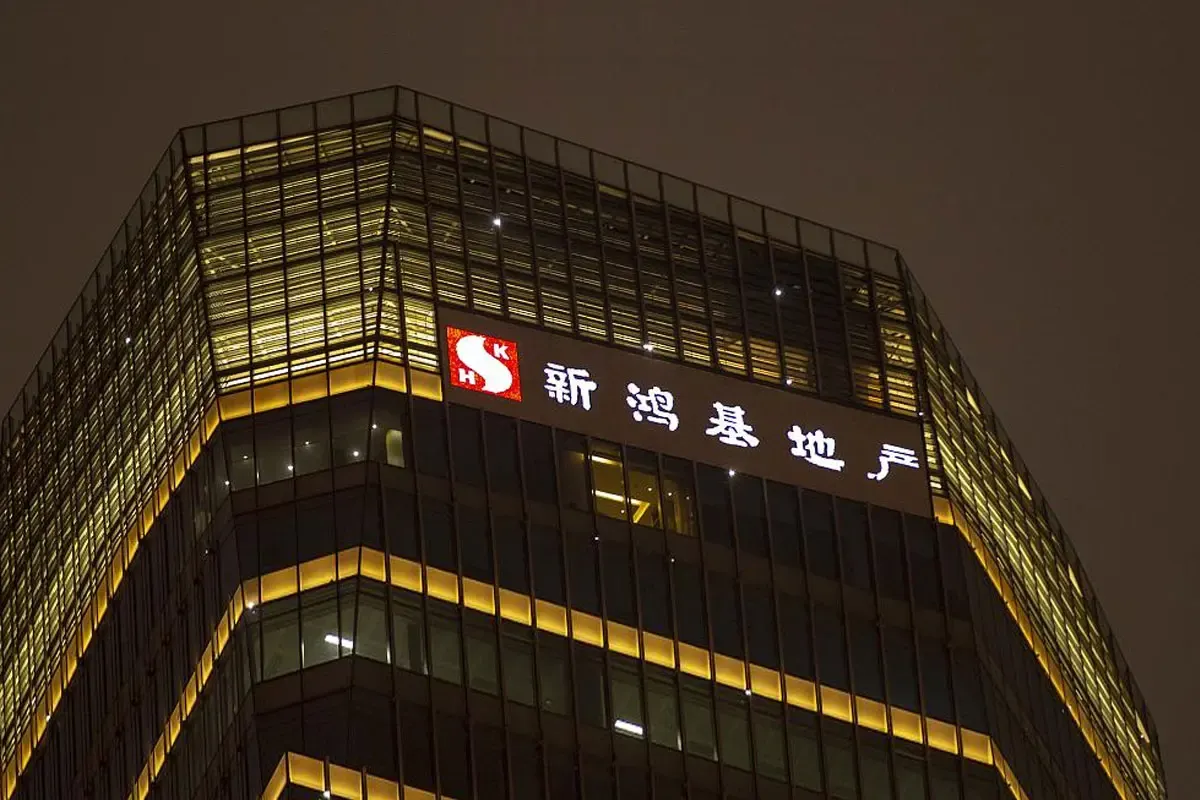
Sun Hung Kai & Co. Limited (“SHK & Co.”) published its 2025 ESG Report for the period from 1 January to 31 December 2025. The report covers the Group’s Credit, Investment Management and Alternative Solutions businesses in Hong Kong and Mainland China, including SHK & Co., United Asia Finance Limited and Sun Hung Kai Credit Limited. It was prepared in line with the HKEX ESG Reporting Code under Appendix C2 and the GRI Standards 2021, and independently verified by SGS Hong Kong under ISAE 3000 (Revised).
The report sits within a changing ESG disclosure environment for Hong Kong-listed financial institutions. While SHK & Co. is not a bank or insurer, its business model exposes it to governance, data privacy, responsible investment, anti-money laundering, customer protection and operational climate management issues. The growing importance of HKEX climate-related disclosure requirements, GRI-based materiality and investor scrutiny of sustainable finance makes the report relevant beyond basic compliance.
Compared with more asset-heavy sectors, SHK & Co.’s environmental footprint is relatively office-based. However, the report indicates that the Group is expanding ESG integration into investment decision-making and supplier management. This is important because for financial and investment companies, sustainability impact is often transmitted less through direct emissions and more through capital allocation, customer conduct, data governance and portfolio exposure.
Governance Architecture and Accountability
Governance is the strongest theme in SHK & Co.’s ESG Report. The Board states that ESG considerations have been integrated into strategy, operations and decision-making, with support from the ESG Committee and ESG Working Committee. The governance structure is organised across three levels: the Board, board-level committees and operational implementation through the ESG Working Committee.
The ESG Committee reports to the Board at least twice a year and is responsible for reviewing ESG vision, performance, strategies, policies, training programmes and ESG-related risks. The ESG Working Committee includes representatives from key business units and supports implementation, target facilitation, internal communication and ESG data collection. This architecture is appropriate for a financial group with multiple operating units because it links board oversight with business-level execution.
The report also discloses that 58.33% of the Board were Independent Non-executive Directors at the end of 2025, including two female directors. This provides some governance context, although future reporting would benefit from clearer disclosure of ESG-related skills, board training and how ESG performance affects management incentives. Strong governance is a priority for stakeholders, but governance maturity increasingly requires evidence of accountability mechanisms, not only committee structures.
Materiality Approach and Risk Prioritisation
SHK & Co. engaged an independent consultant to support stakeholder engagement and materiality assessment. The process identified 20 ESG issues through reference to the HKEX ESG Code, listing rules, peer benchmarking and rating agency focus areas. The assessment incorporated 706 survey responses, including 15 from directors and management and 691 from other stakeholder groups.
The results show that governance issues were the highest-ranked material topics. Business integrity and ethics, compliance with laws and regulations, data privacy and cybersecurity, and corporate governance were identified as the most material issues. This outcome is consistent with the Group’s financial services and lending activities, where trust, regulatory compliance and information security directly affect business resilience.
Environmental topics such as emissions and climate change, energy and resource use, and waste and paperless operations also gained prominence. The report added two new material topics in 2025: Digital Transformation and Innovation, and Sustainable Investment. This suggests that stakeholder expectations are shifting from traditional ESG housekeeping towards technology-enabled financial services, sustainable capital allocation and practical emissions management.
Climate, Supply Chain and Social Dimensions
SHK & Co.’s climate disclosure focuses mainly on operational emissions and resource efficiency. The Group has a target to reduce Scope 2 greenhouse gas emissions by 35% by 2030 compared with FY2020. In 2025, the Group reported a 27% reduction in GHG emissions compared with 2024, alongside a 17% reduction in electricity usage, 12% reduction in water usage and 15% reduction in paper consumption.
The Group’s targets also include reducing absolute electricity usage by 30% by 2030 compared with FY2019, reducing absolute paper usage by 50% by 2030 compared with FY2019 and reducing bottled or barrel water consumption by 30% by 2026 compared with FY2023. These targets are practical and proportionate for an office-based financial group. However, the report would be stronger if it presented more detailed emissions baselines, Scope 1, Scope 2 and Scope 3 trend data directly in the main report.
Supply chain management is addressed through the Group Procurement Policy and Supplier Code of Conduct. Supplier due diligence is conducted for suppliers with annual spend exceeding HK$5 million, covering sustainable development, business ethics, occupational health and safety, data privacy, business continuity and human rights. At the end of 2025, the Group had 626 suppliers globally, including suppliers in Hong Kong, Mainland China, Singapore, the United Kingdom and the United States.
Employment
The Group presents employees as a central driver of sustainable growth. In 2025, the workforce comprised 926 employees, with 455 male employees and 471 female employees, representing a near-balanced gender composition. By age group, the workforce included 79 employees under 30, 177 aged 31 to 40, 345 aged 41 to 50 and 325 aged over 50.
The Group’s employment practices are guided by its Employee Handbook, which covers recruitment, promotion, working conditions, remuneration, training and conduct. The report emphasises merit-based opportunity, anti-discrimination safeguards and reasonable accommodation for disabilities. SHK & Co. is also a signatory to the Equal Opportunities Commission’s Racial Diversity and Inclusion Charter for Employers.
Employee benefits are relatively comprehensive and vary by business unit and location. SHK & Co. and SHK Credit provide benefits such as discretionary bonuses, long service awards, rental reimbursement, employee ownership scheme participation, unlimited paid annual leave, healthcare, life insurance, accident and disability coverage and education subsidies. UAF provides additional leave and benefits such as birthday leave, compassionate leave, marriage leave, family-friendly leave, meal allowance and advanced learning allowance.
Health and Safety
Health and safety is treated mainly through an office-based occupational health and safety management system. The system aligns with guidance from the Hong Kong Labour Department and the Occupational Safety and Health Ordinance. Oversight is led by the General Administration Team, with site inspections conducted by administrative staff to maintain safe working conditions and minimise risks.
The report identifies three core workplace safety areas: safety measures, awareness and training, and regular inspections and drills. Measures include trained first aiders, emergency response procedures, managed access and emergency exits, employee familiarity with alarms and escape routes, fire safety seminars and regular inspection of fire systems and emergency exits. The Group’s Business Continuity Plan also supports incident response and minimising service disruption.
The report also links safety to wellbeing. SHK & Co. has invested in height-adjustable desks, medical-grade antiviral air purifiers and office greenery to improve ergonomics, air quality and workplace comfort. Cultural and team-building activities, including “Friday at Five”, sound bath wellness sessions, workshops, annual dinners and social events, indicate that employee wellbeing is being addressed as part of organisational culture rather than only regulatory compliance.
Product or Service Responsibility
For SHK & Co., product and service responsibility is closely tied to responsible lending, customer engagement, data privacy, anti-money laundering, cybersecurity and service quality. The report identifies product and service quality, investor and customer engagement, responsible marketing, data privacy and cybersecurity as material topics. These disclosures are important because the Group’s credit and investment activities rely heavily on customer trust and regulatory confidence.
The Group has adopted AML and counter-terrorist financing controls, including monitoring protocols for loan applications and transactions, supported by training. The report also describes measures to protect intellectual property, including regular checks for unauthorised software and trademark protection. At the end of 2025, the Group held 26 trademark registrations in Hong Kong and Mainland China and 55 overseas.
Data privacy and cybersecurity are among the most material topics in the matrix. Supplier requirements also include cybersecurity and information security policies, protection of personal and confidential data and compliance with applicable data protection laws. Future reporting would benefit from more quantitative product responsibility indicators, such as customer complaints, complaint resolution rates, data breach incidents and responsible marketing monitoring results.
Philanthropy
Community investment is a visible part of SHK & Co.’s ESG approach. Since 2015, the Sun Hung Kai & Co. Foundation has served as a central platform for the Group’s community activities, focusing on vulnerable groups, elderly support, youth development and environmental protection. During the reporting period, the Group supported 15 charitable and community projects, contributed 780 volunteer hours and gathered 219 volunteers.
The Group donated more than HK$4 million to support families affected by the Tai Po fire through the HKSAR Government’s Support Fund for Wang Fuk Court. UAF also contributed to Conservation International Foundation through Mastercard’s Priceless Planet Coalition to support forest restoration. These examples show a mix of local emergency relief and environmental philanthropy.
The Sun Hung Kai Scallywag Foundation Programme is one of the more distinctive initiatives. It delivered 449 sailing sessions to more than 3,000 participants, including individuals with intellectual disabilities, autism spectrum disorder and ADHD, supporting personal development and social inclusion. The programme also contributed to academic research with The Chinese University of Hong Kong on resilience among young people on the autism spectrum, which gives the initiative a stronger social impact dimension than one-off donations.
Metrics, Targets and Data Robustness
SHK & Co.’s report provides several clear operational targets and progress updates. The Group achieved its target of maintaining at least 50% of its investment portfolio aligned with the UN Sustainable Development Goals annually. It also achieved targets related to reducing absolute paper usage by 2025, keeping paper cheques for customer funding at UAF to 10% or below, ensuring at least 90% of office paper is FSC or PEFC certified and reducing absolute electricity usage by 25% compared with FY2019.
The report’s quantitative performance highlights are accessible and practical. It reports a 27% year-on-year reduction in GHG emissions, 17% reduction in electricity usage, 12% reduction in water usage and 15% reduction in paper consumption. It also reports 100% sustainable paper sourcing and progress on Scope 3 measurement, including waste generated in operations and employee commuting.
However, the overall data robustness would improve with fuller disclosure of absolute values, calculation methodologies and year-on-year data tables in the main report. The report refers readers to the ESG Datapack for further environmental metrics. While supplementary datapacks are useful, reference-grade reporting should make the most material figures available within the main report to support comparability, analyst use and stakeholder confidence.
Assurance, Credibility and Comparability
The report was independently assured by SGS Hong Kong under ISAE 3000 (Revised) at a limited assurance level. The assurance covered the quality, accuracy and reliability of specified performance data and information, including text and data tables in the report for the period from 1 January to 31 December 2025. SGS reviewed processes, sampled data, examined documentation and recalculated selected performance data.
External assurance strengthens credibility, particularly for a listed financial group where governance and trust are central to stakeholder confidence. The report also states that it was reviewed and approved by the Board, and that internal control and formal review processes were used to check information accuracy and reliability. These elements are positive, although readers would benefit from a clearer table showing which KPIs were assured and which were not.
Comparability is supported by the use of GRI Standards 2021 and HKEX ESG Code reporting principles, including materiality, quantitative disclosure, balance and consistency. However, the report remains more concise than many reference-grade sustainability reports. Its comparability would improve through expanded climate-related disclosure, clearer Scope 3 categories, customer protection metrics and more detailed workforce and governance indicators.
Strategic Implications for the Sector
SHK & Co.’s report reflects a broader shift in the financial services and investment sector. ESG expectations are moving from basic philanthropy and office environmental management towards responsible investment, data privacy, anti-money laundering, supplier due diligence and measurable portfolio alignment. For financial groups, governance and conduct are not separate from sustainability; they are central to ESG risk management.
The report’s emphasis on sustainable investment and UNSDG portfolio alignment may indicate a growing need for financial institutions to explain how capital allocation contributes to social and environmental outcomes. However, portfolio alignment with UN goals should be supported by transparent methodology to avoid being perceived as high-level mapping. Investors increasingly expect evidence of how ESG screens, exclusions, stewardship, due diligence and impact assessment influence actual investment decisions.
The growing focus on cybersecurity, responsible marketing and digital transformation also reflects sector-wide change. As credit and investment services become more digital, ESG risk increasingly includes data protection, algorithmic fairness, customer vulnerability and operational resilience. Future reports from financial institutions are likely to face greater scrutiny in these areas.
ESG Maturity and Future Positioning
SHK & Co. appears to be at a developing-to-intermediate stage of ESG maturity. The Group has clear governance structures, Board oversight, external assurance, operational environmental targets, stakeholder-based materiality assessment and growing integration of ESG into investment processes. Its strengths are most visible in governance, employee wellbeing, philanthropy and practical office-based environmental management.
The next stage of maturity would involve deeper disclosure of investment-related ESG impacts. This could include financed emissions, ESG screening outcomes, portfolio exposure to climate transition risks, responsible lending controls, customer vulnerability practices and measurable social or environmental outcomes from investments. Such disclosure would align more closely with global expectations for financial institutions under frameworks such as ISSB, TCFD and sustainable finance taxonomies.
The report suggests SHK & Co. is building the foundations for more integrated ESG management. To strengthen future positioning, the Group may need to move beyond operational ESG and demonstrate how sustainability influences capital allocation, credit decisions, risk appetite and customer outcomes. This would make the report more useful for investors seeking to understand the link between ESG management and long-term financial resilience.
Pacifica ESG View
SHK & Co.’s 2025 ESG Report demonstrates a governance-led approach to sustainability, with strong emphasis on ethics, compliance, risk management, employee wellbeing and community investment. Its operational environmental targets are practical and show progress, particularly in electricity, paper, water and GHG reductions. The report is credible due to Board approval, GRI and HKEX alignment, and ISAE 3000 limited assurance. The main opportunity is to deepen disclosure on investment-related ESG impact, customer outcomes, Scope 3 emissions and climate-related financial risks. For a financial group, future ESG leadership will depend less on office-level resource efficiency and more on transparent responsible investment, data governance and portfolio-level sustainability performance.
Implications for the Wider Market
SHK & Co.’s report illustrates how ESG expectations for Hong Kong financial groups are expanding. Governance, compliance, cybersecurity, responsible lending and sustainable investment are becoming core ESG issues, not peripheral topics. For smaller and mid-sized listed financial institutions, the report offers a practical model for combining HKEX compliance, GRI alignment, stakeholder materiality and external assurance. However, the wider market is likely to move towards more demanding disclosure on financed emissions, responsible product design, customer protection and transition risk. Financial institutions that can connect ESG governance to capital allocation and measurable portfolio outcomes will be better positioned for future investor and regulatory scrutiny.